Lamb
871 foods contain this ingredient
This is an alphabetical list, not a ranking. Add KL+ to rank foods for your pet in the Food Finder.
About Lamb
Lamb is a red meat protein in dog and cat foods, supplying essential amino acids, heme iron, zinc, and B vitamins.
Lamb is commonly used in dog and cat foods as a high-quality animal protein that supplies essential amino acids, iron and B vitamins and is often chosen for its palatability or as a “novel” protein in elimination diets. It can be higher in fat and calories than some other meats and may still cause allergic reactions in sensitive animals, so owners of overweight pets or those with food sensitivities should consult a veterinarian and use proper handling/cooking practices if feeding raw or homemade lamb.
Related ingredients
- Derived from
- sheep meat and meat meal
- Primary role
- animal protein and amino acid source
Why it's used
Lamb contributes a complete amino acid profile along with heme iron and zinc, nutrients that are more readily absorbed in their animal-sourced form than from plant ingredients. It's also a palatable protein that formulators have historically marketed toward pets being transitioned off more common proteins like chicken or beef.
Common concerns
- No longer a reliable "novel" protein Lamb was once positioned as a novel protein for elimination diets, but veterinary allergy references now list it among the more frequently identified food allergens in dogs, since it has become a common ingredient in commercial diets over the past decades.
- Fat content Lamb cuts commonly used in pet food tend to run higher in fat than lean chicken or turkey, which is a consideration for pets managing weight or a history of pancreatitis, where veterinary nutrition guidance generally favors lower-fat protein sources.
- Raw or homemade handling As with any raw meat, homemade or raw lamb preparations carry the same pathogen-handling considerations as other raw proteins and are generally discussed with a veterinarian before use.
3 sources cited
- In a systematic review of canine cutaneous adverse food reactions, lamb was among the reported food allergens (about 5 percent of dogs), so it is no longer a reliably novel protein
- Lamb is a source of heme iron, zinc, and B vitamins including B12, niacin, and riboflavin
- Fattier meats such as lamb are generally avoided in low-fat diets formulated for dogs with pancreatitis
Common Questions
What category is Lamb?
Lamb is categorized as a protein ingredient in the KibbleLab database.
Is Lamb part of an allergen group?
Yes. Lamb is grouped under the Red Meat allergen group in the KibbleLab database.
Which foods contain Lamb?
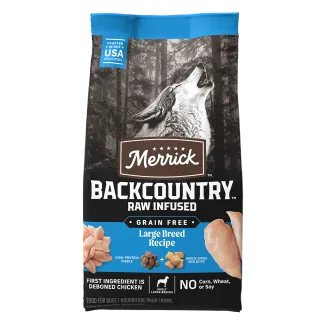
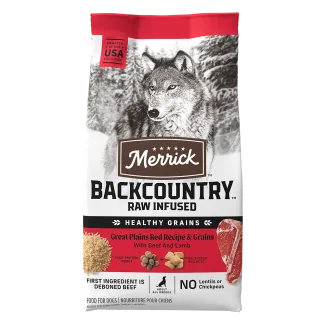
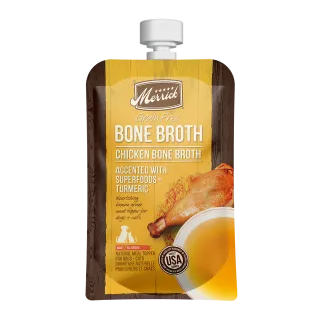
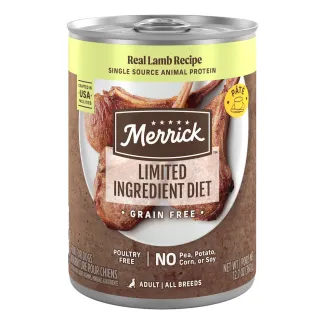
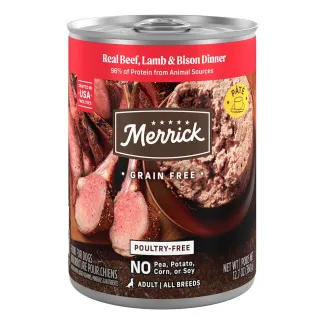
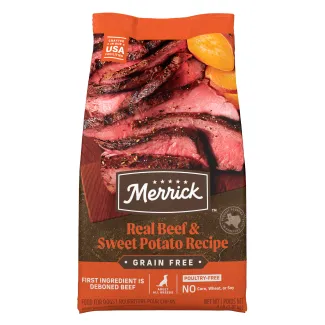
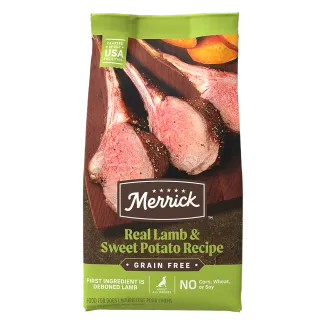
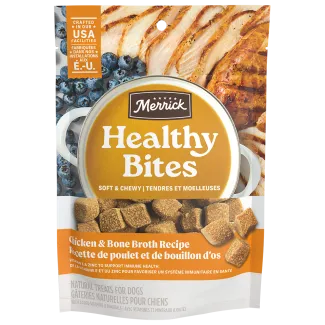
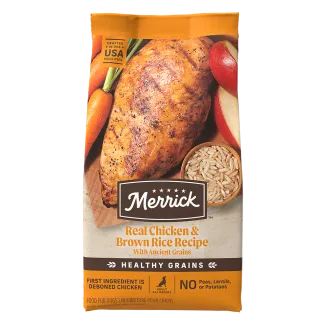
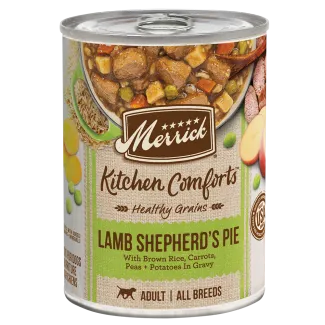
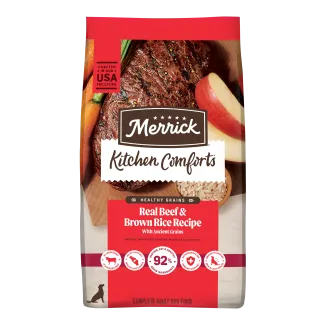
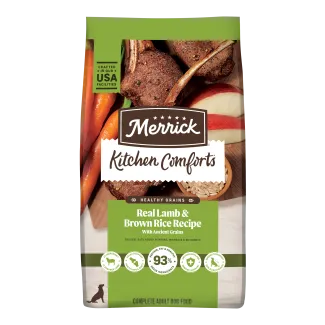
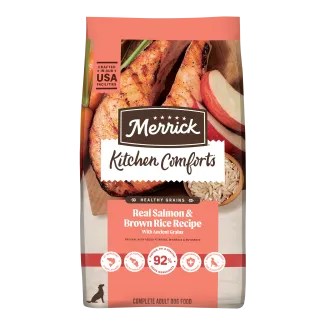
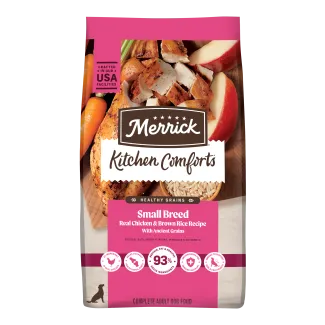
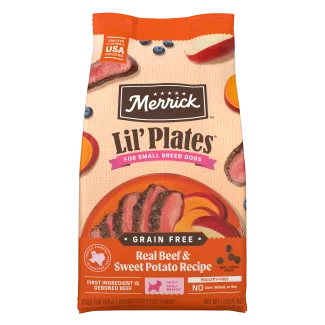
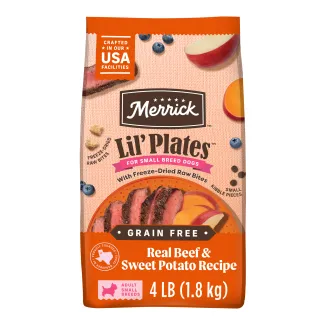
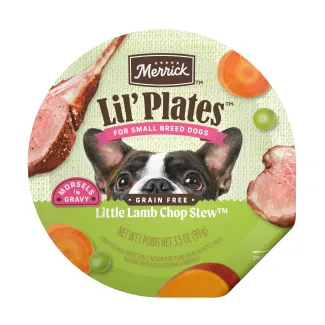
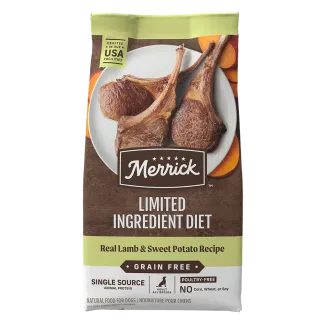
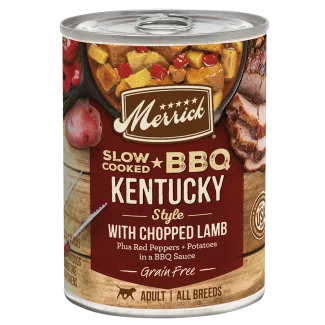
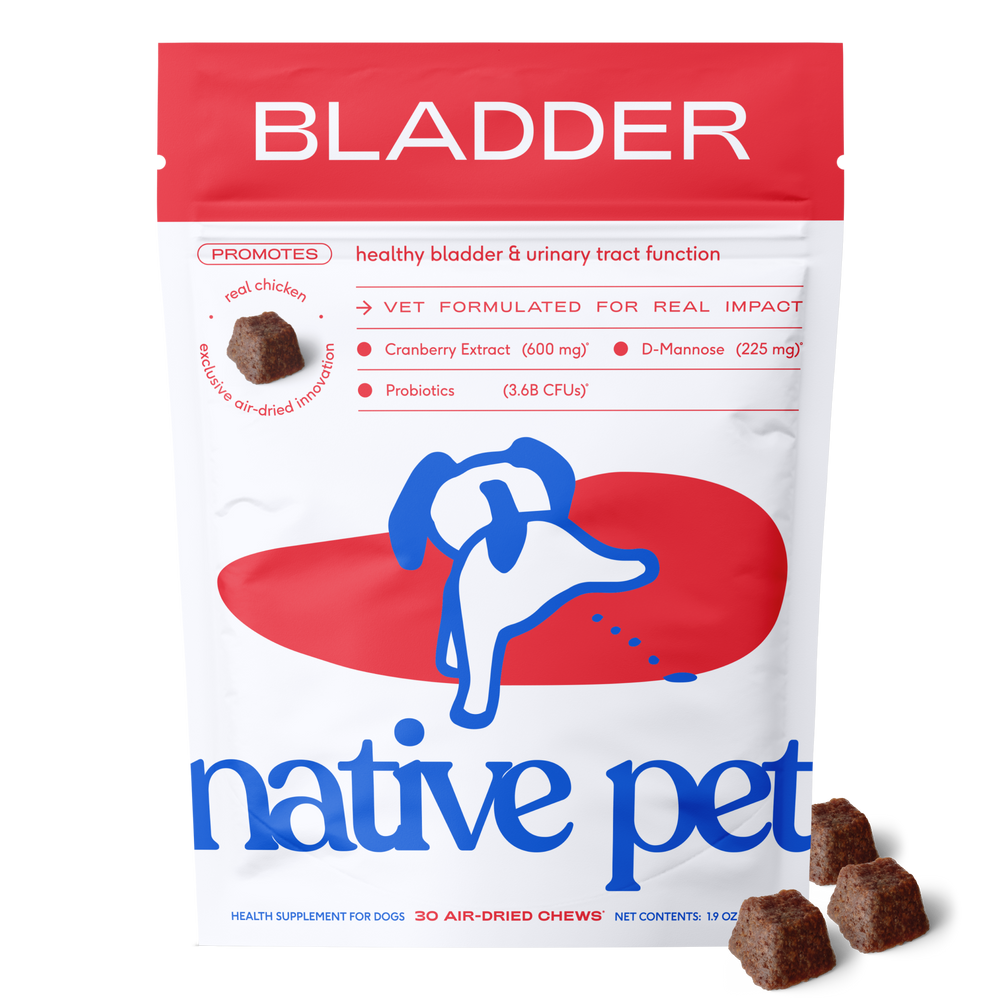
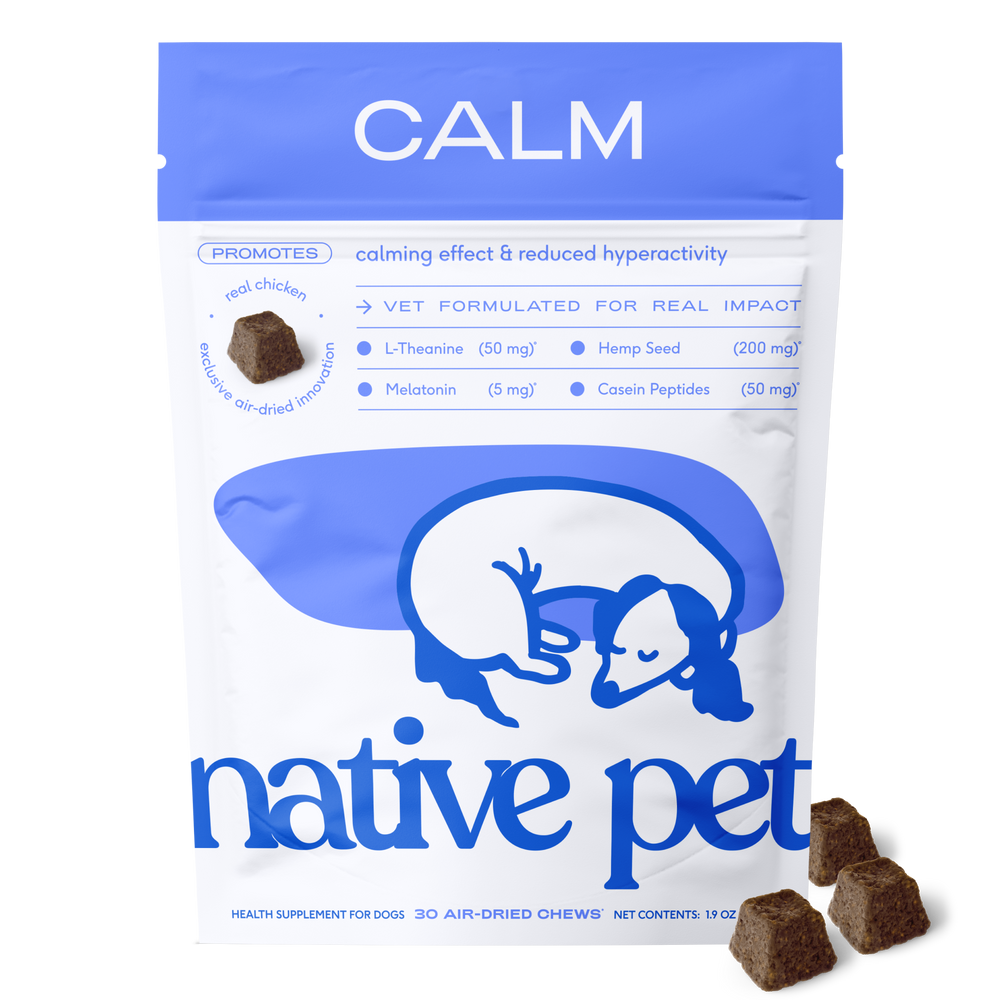
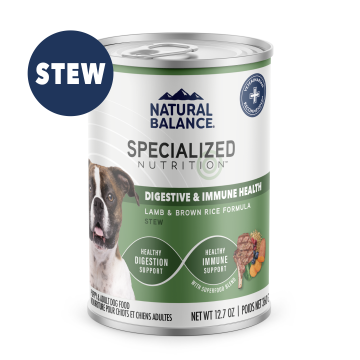
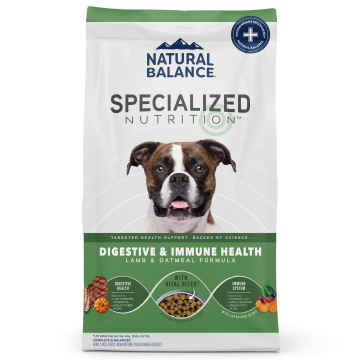
871 foods in the KibbleLab database contain Lamb, including Merrick, Native Pet, Natural Balance.
Foods with Lamb
Alphabetical by brand. Scores run 0 to 10, higher is better, on published veterinary science.


Find the right food for your pet
Sign in free to sort and filter by score, and avoid or require Lamb in the Food Finder. Add KL+ to see these foods ranked for your pet's breed, age, and health focus.

 Continue with Google
 Continue with Facebook