Pilchard
135 foods contain this ingredient
This is an alphabetical list, not a ranking. Add KL+ to rank foods for your pet in the Food Finder.
About Pilchard
Pilchard is the market name for mature sardines, a small oily fish added to pet food mainly to supply omega-3 fatty acids.
Pilchard (a small oily forage fish, often labeled as a sardine) is used in pet foods as a high-quality animal protein and a rich source of omega-3 fatty acids (EPA/DHA), B vitamins and minerals. It supports skin and coat health, joint and cognitive function and is highly palatable for dogs and cats, but owners should be aware of potential fish allergies, higher fat content, and concerns about contaminants or parasites—risks that are generally mitigated by proper sourcing and processing and by avoiding raw or heavily salted preparations.
Related ingredients
- Derived from
- whole pilchard/sardine (Sardina pilchardus and related species)
- Primary role
- omega-3 fatty acid and protein source
Why it's used
Pilchard supplies EPA and DHA, the long-chain omega-3 fatty acids most associated with skin, coat, and joint support research in dogs, and the fish's own body fat means these fatty acids are already in their active form rather than needing conversion from a plant-based precursor. It also contributes complete animal protein and natural palatability.
Common concerns
- Contaminant load Peer-reviewed testing of sardines from multiple coastal regions has found measurable mercury, cadmium, lead, and arsenic residues, with levels varying by catch location, so contaminant exposure depends heavily on sourcing and testing practices.
- Fish allergy Fish is a recognized (though in dogs less common than beef, dairy, or chicken) food allergen, so pilchard is not automatically tolerated by a dog with a known fish sensitivity.
- Fat and calorie contribution As an oily fish, pilchard adds meaningful fat to a formula, which is a factor for owners managing a pet's weight or a condition like pancreatitis, a question best directed to a veterinarian.
Also relevant
Fish-based diets have been found in one comparative study to carry somewhat higher heavy metal levels on average than poultry-based diets, though levels in commercial pet food were within the ranges the study authors described as expected for chronic consumption.
3 sources cited
- Sardines and pilchards supply EPA and DHA, though not necessarily at the levels of fortified diets or supplements
- Heavy metal (mercury, cadmium, lead) levels measured in sardines from coastal fisheries
- Poultry-based commercial pet diets had lower heavy metal and arsenic content than fish-based diets
Common Questions
What category is Pilchard?
Pilchard is categorized as a protein ingredient in the KibbleLab database.
Is Pilchard part of an allergen group?
Yes. Pilchard is grouped under the Fish allergen group in the KibbleLab database.
Which foods contain Pilchard?
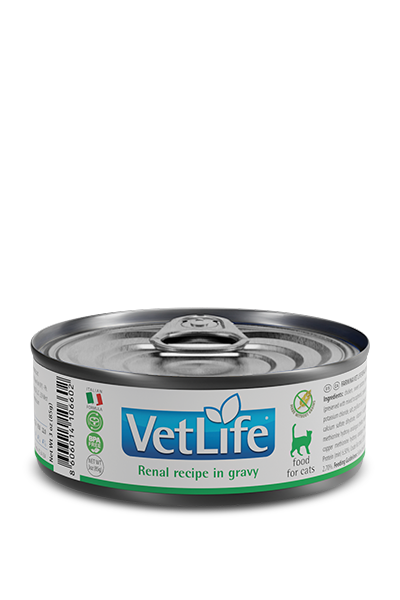
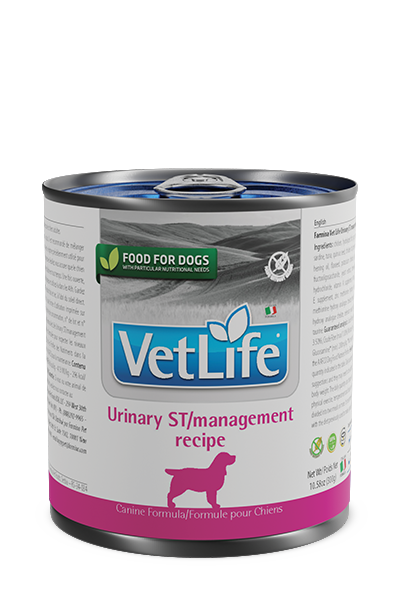
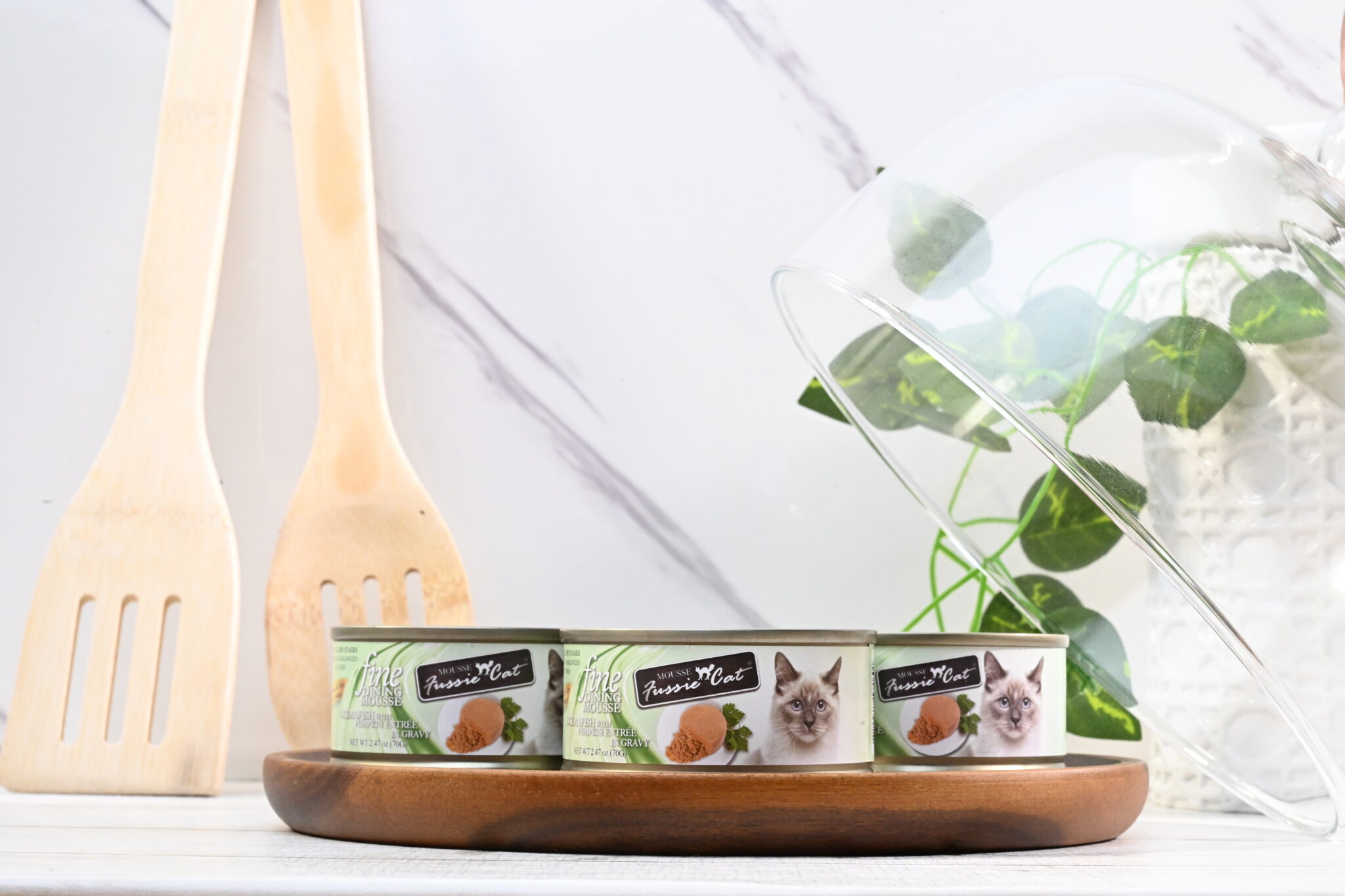
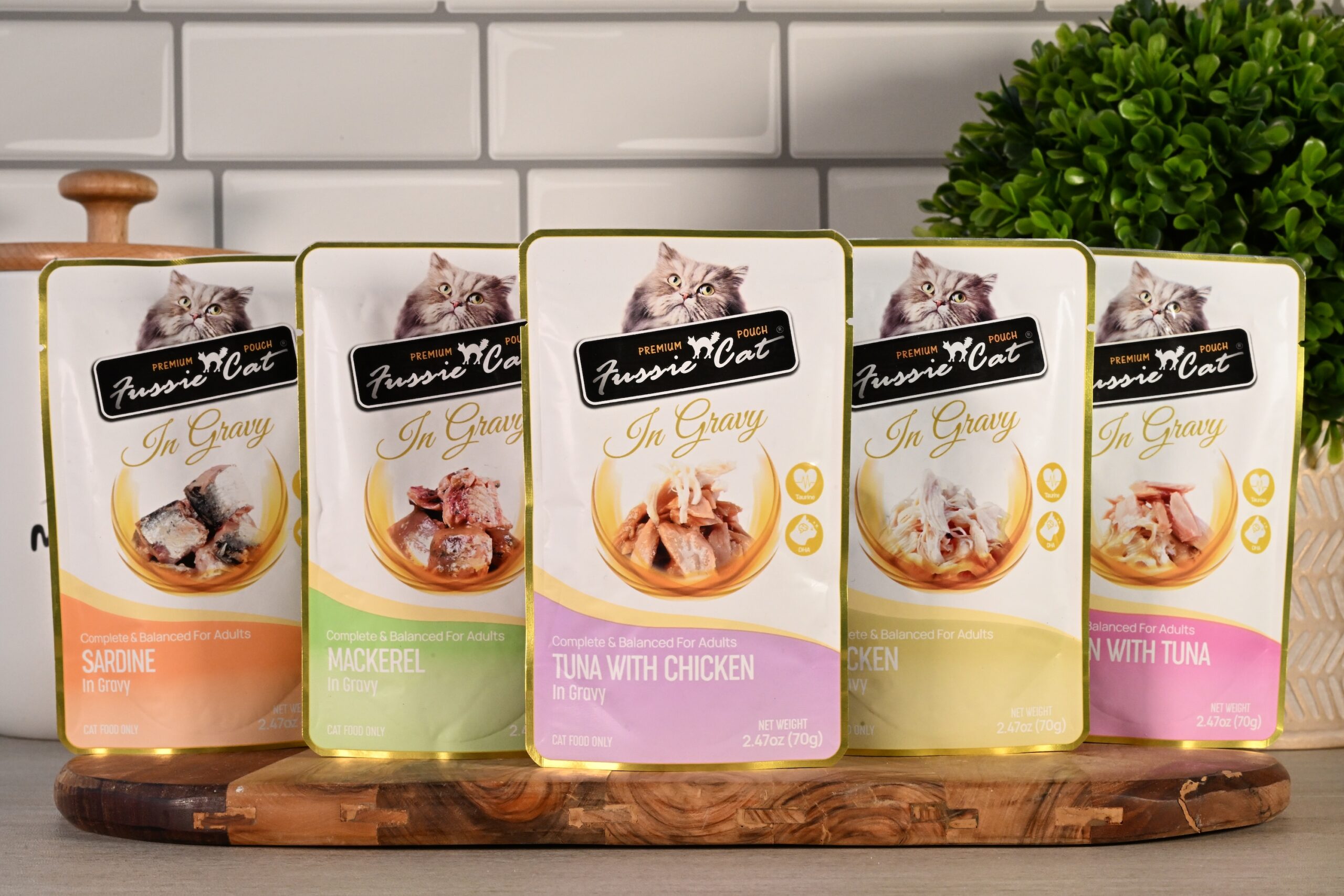
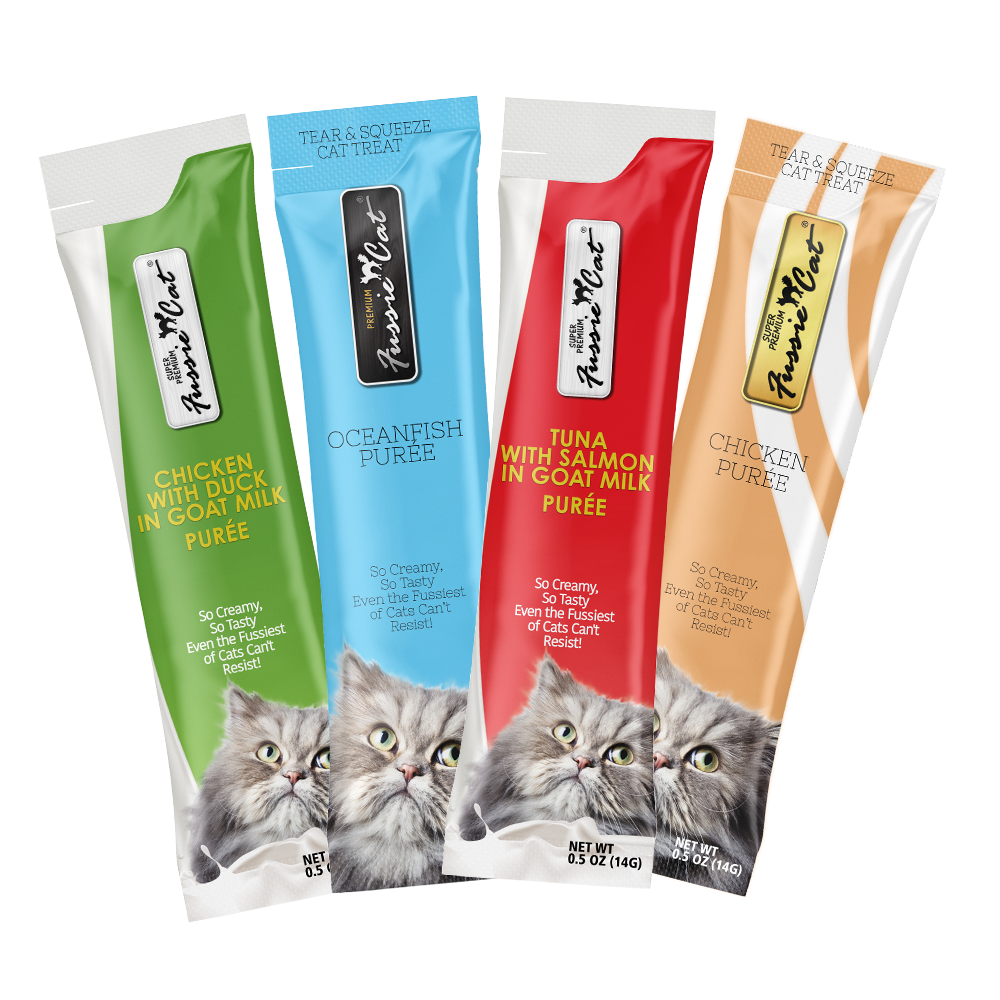
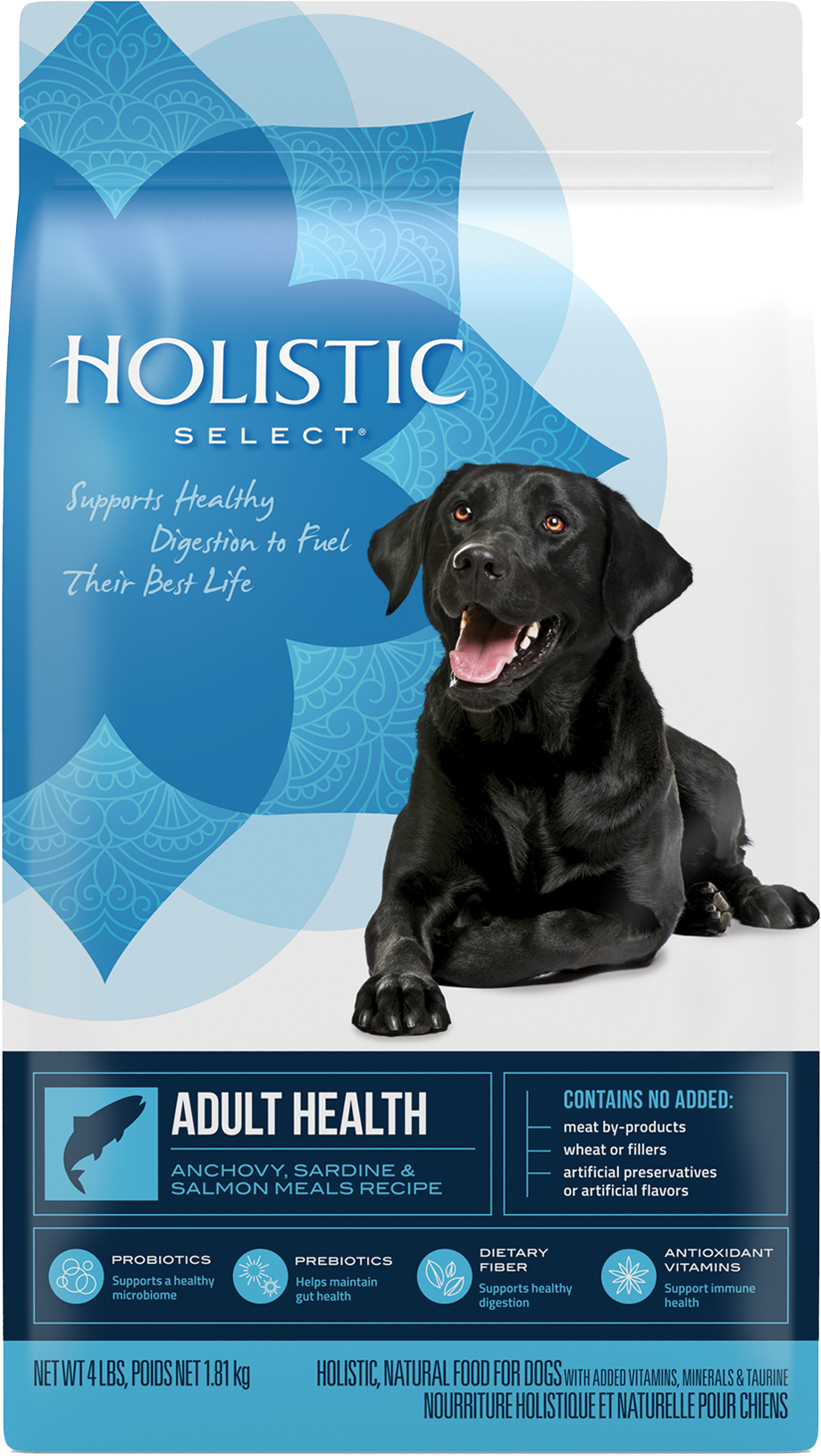
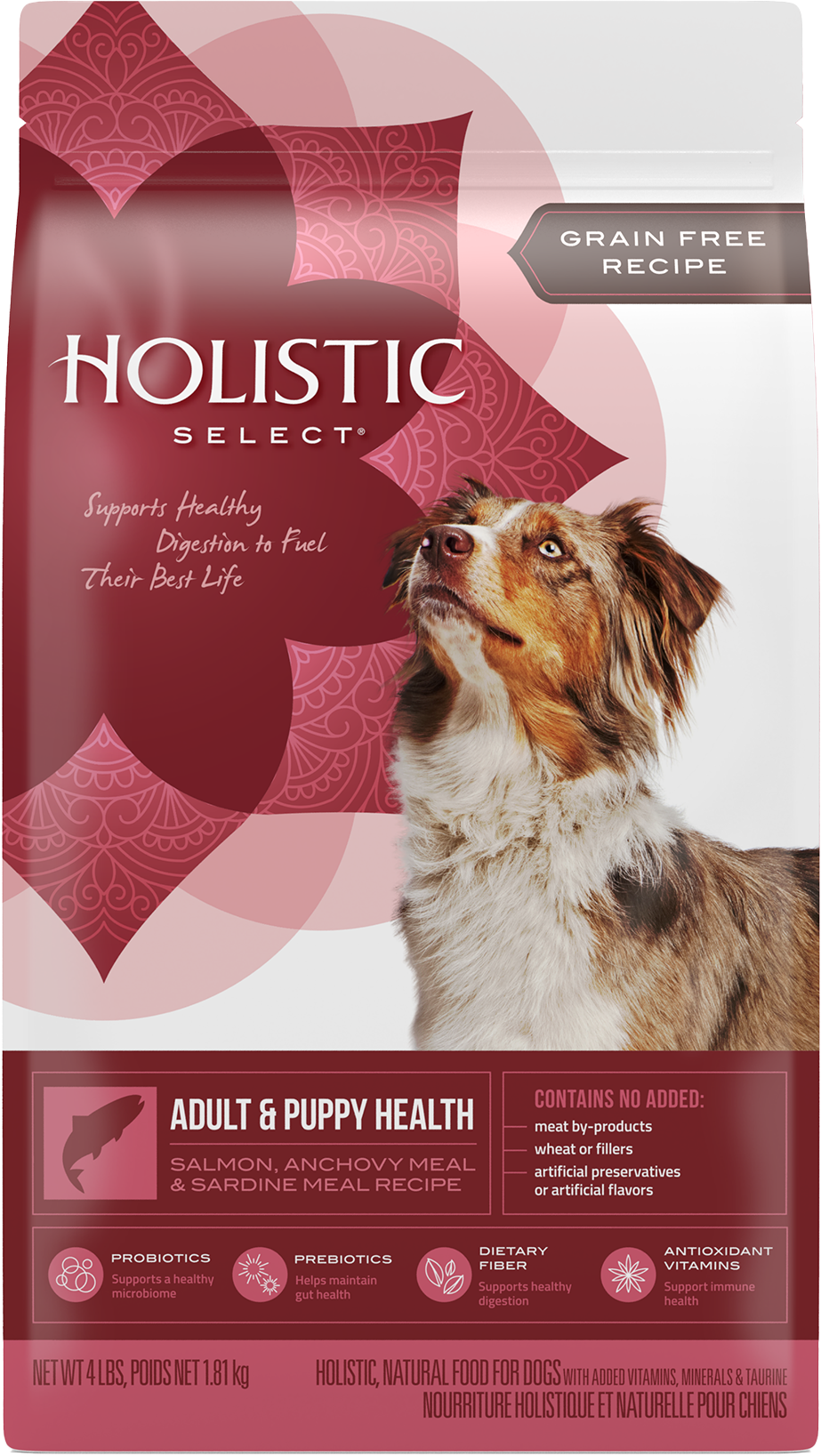
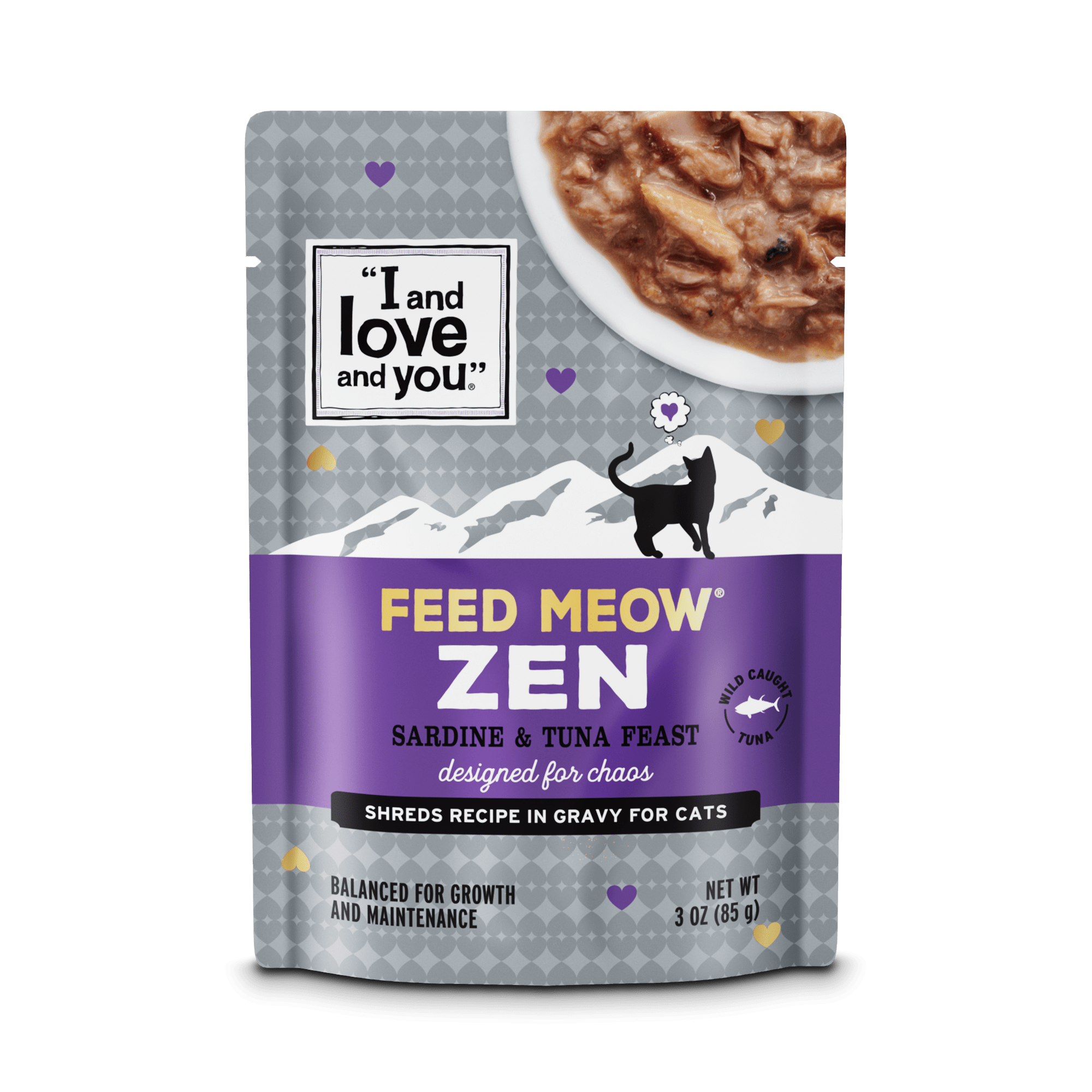
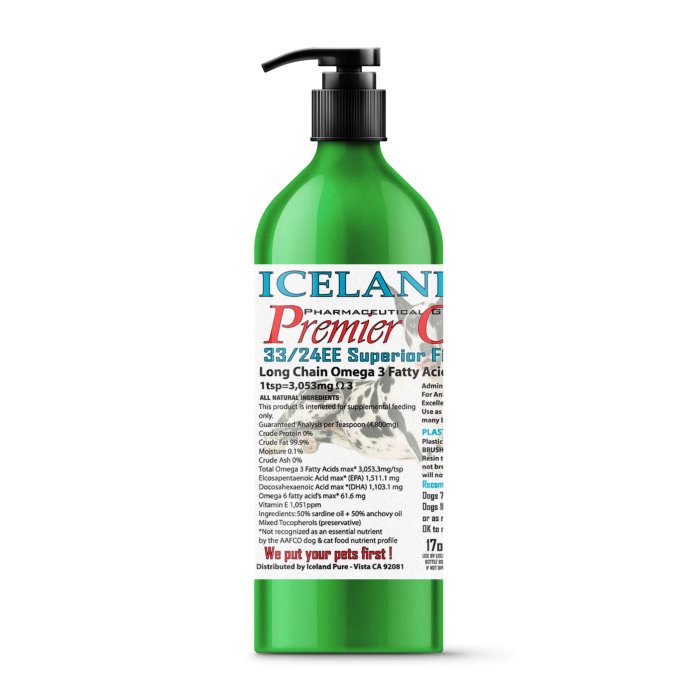
135 foods in the KibbleLab database contain Pilchard, including Farmina, Fera Pets, Friskies.
Foods with Pilchard
Alphabetical by brand. Scores run 0 to 10, higher is better, on published veterinary science.










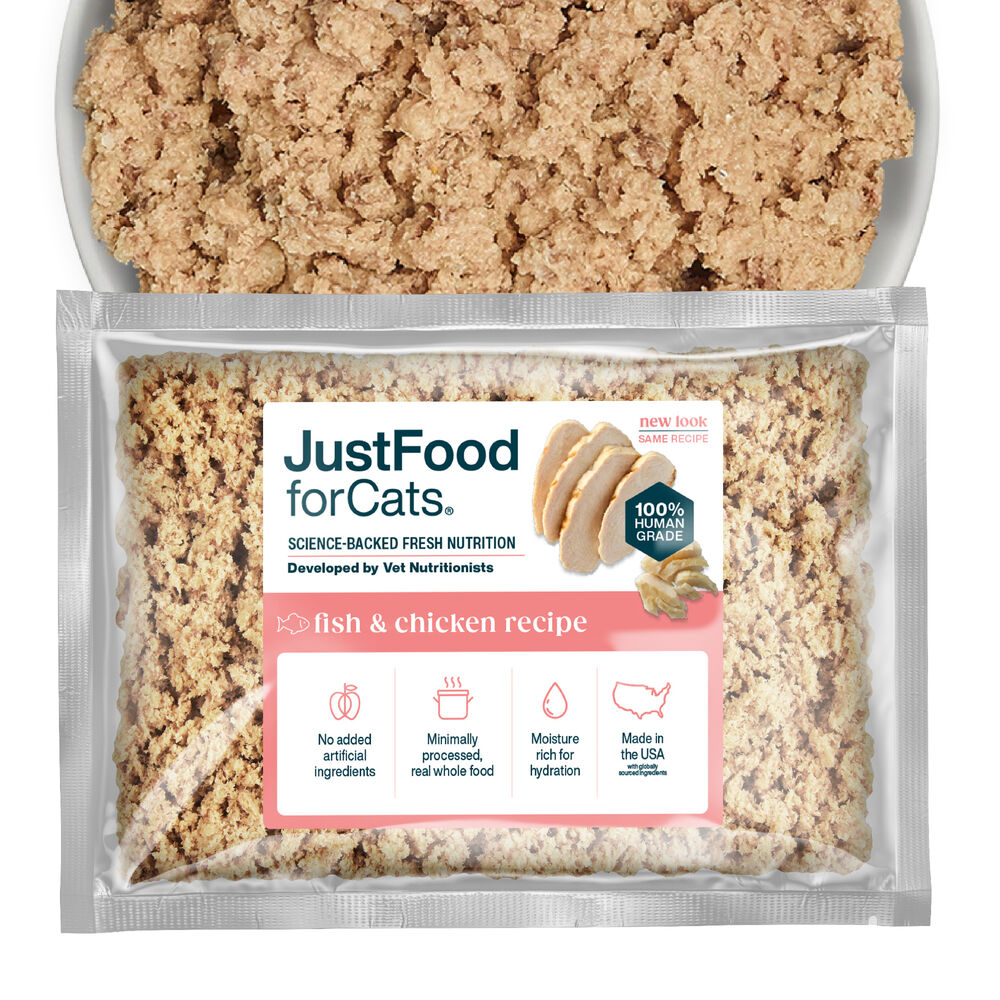

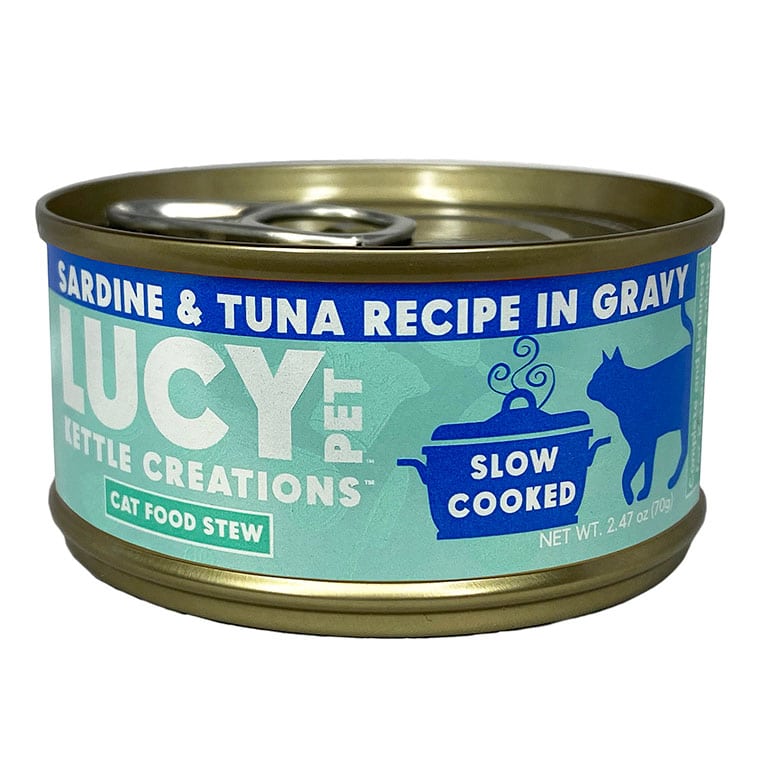
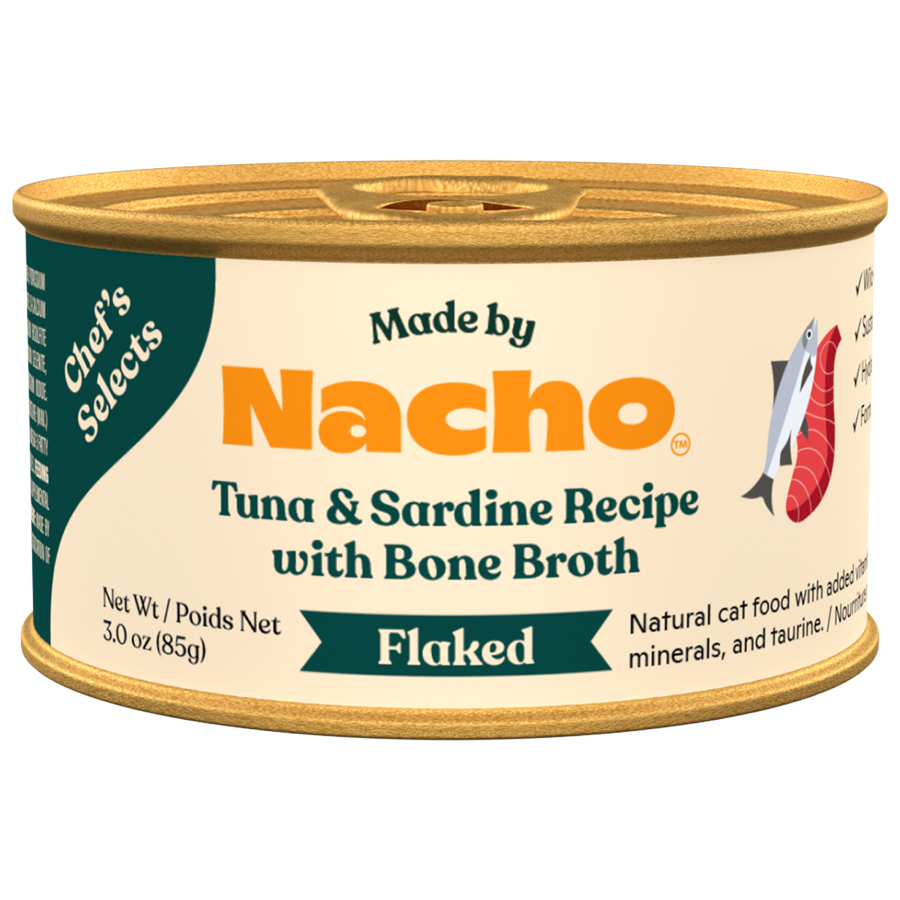


Find the right food for your pet
Sign in free to sort and filter by score, and avoid or require Pilchard in the Food Finder. Add KL+ to see these foods ranked for your pet's breed, age, and health focus.

 Continue with Google
 Continue with Facebook