Shrimp
100 foods contain this ingredient
This is an alphabetical list, not a ranking. Add KL+ to rank foods for your pet in the Food Finder.
About Shrimp
Shrimp is a shellfish used in pet food and treats to add palatability, lean animal protein, and trace nutrients like selenium.
Shrimp is used in pet foods and treats as a lean, palatable animal protein and flavor enhancer that supplies high-quality amino acids and nutrients such as vitamin B12, selenium, phosphorus, small amounts of omega-3s and taurine (important for cats). While nutritious and often well-accepted by dogs and cats, owners should watch for shellfish allergies, high cholesterol and added sodium in processed products, and avoid shells or raw/undercooked shrimp to prevent choking and microbial or contaminant risks—choose cooked, deboned, responsibly sourced shrimp when possible.
Related ingredients
- Derived from
- shrimp, a crustacean shellfish
- Primary role
- palatability enhancer and animal protein source
Why it's used
Shrimp is strongly aromatic and well accepted by many dogs and cats, which makes it useful as a flavor enhancer in addition to a protein contributor. It also supplies amino acids along with nutrients such as vitamin B12 and phosphorus that come with most animal-derived proteins.
Common concerns
- Shellfish allergy Dogs and cats can develop allergic reactions to shellfish, with reported signs including itching, vomiting, diarrhea, or facial swelling, similar to reactions seen with other novel protein exposures.
- Cholesterol content Shrimp is comparatively high in dietary cholesterol, and veterinary nutrition guidance for dogs with hyperlipidemia or pancreatitis generally focuses on managing overall dietary fat and lipid intake, so in these dogs the total dietary fat matters most, and shrimp itself is relatively low in fat despite its cholesterol content.
- Shell and preparation hazards Shrimp shells, tails, and undercooked shrimp are associated with choking, and hard shell fragments can cause blockage or injury to the digestive tract, while raw or undercooked shrimp can carry foodborne pathogens, which is why preparation guidance calls for shrimp to be fully cooked and deshelled before feeding.
3 sources cited
- Food allergy in dogs and cats can develop to any protein source and presents with signs like itching, GI upset, or skin infections; elimination diet trials are the diagnostic standard
- Hyperlipidemia and dietary fat/cholesterol management are documented concerns in dogs, tied to pancreatitis risk
- Fish is a documented common allergen in cats
Common Questions
What category is Shrimp?
Shrimp is categorized as a protein ingredient in the KibbleLab database.
Is Shrimp part of an allergen group?
Yes. Shrimp is grouped under the Shellfish allergen group in the KibbleLab database.
Which foods contain Shrimp?
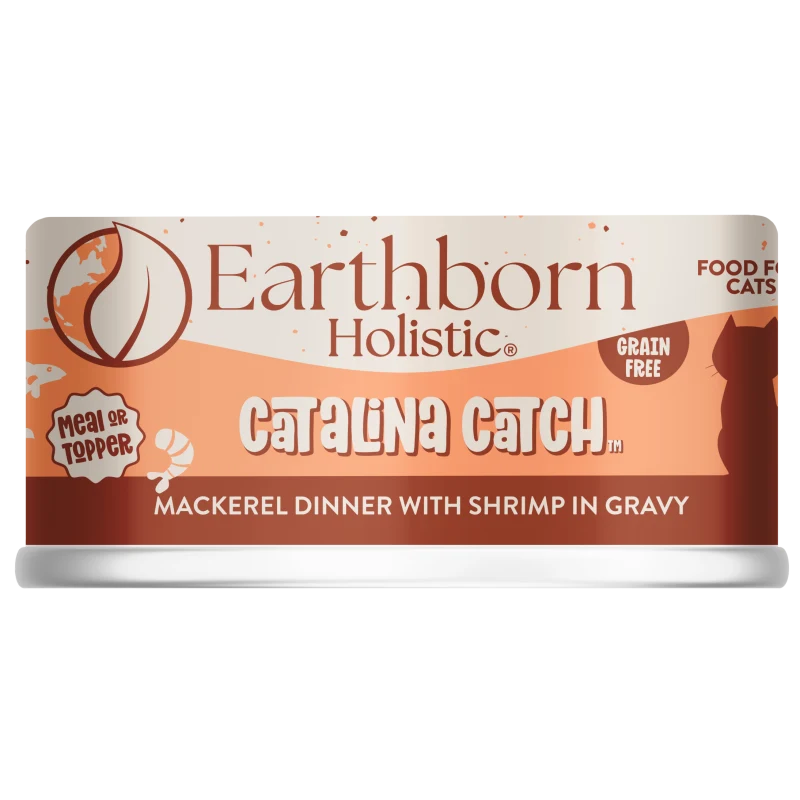
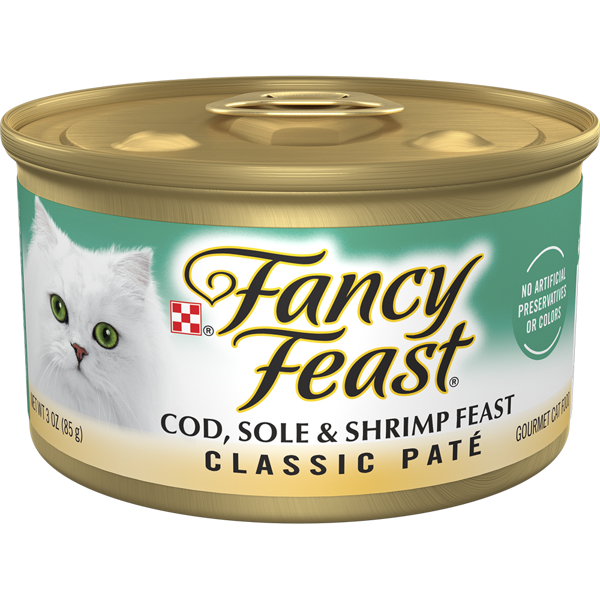
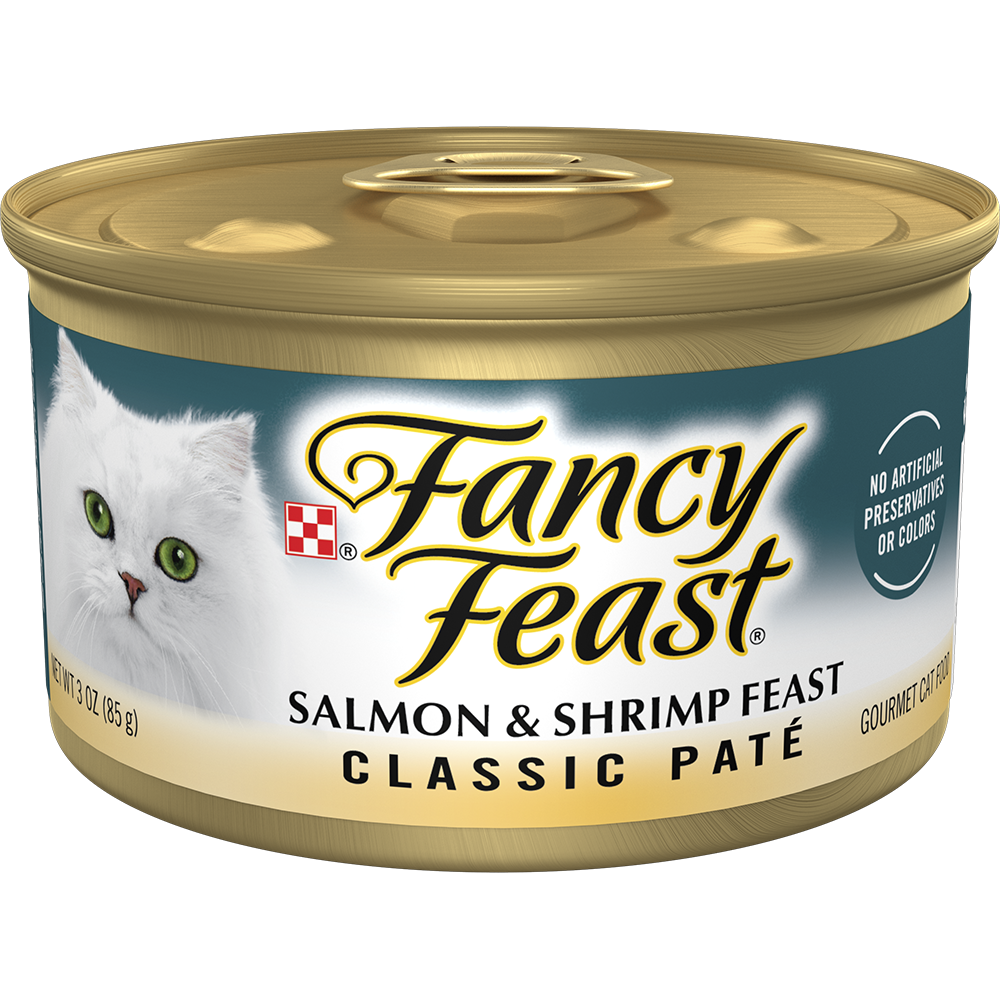
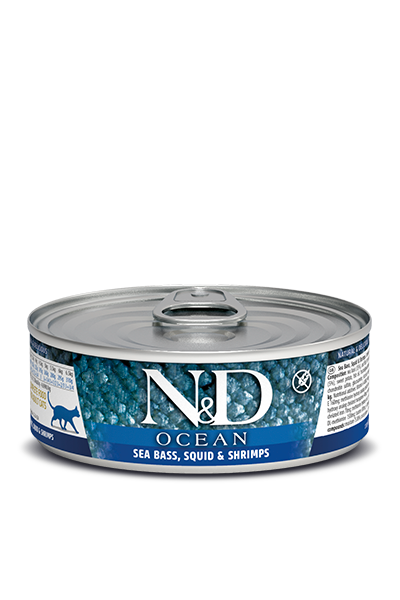
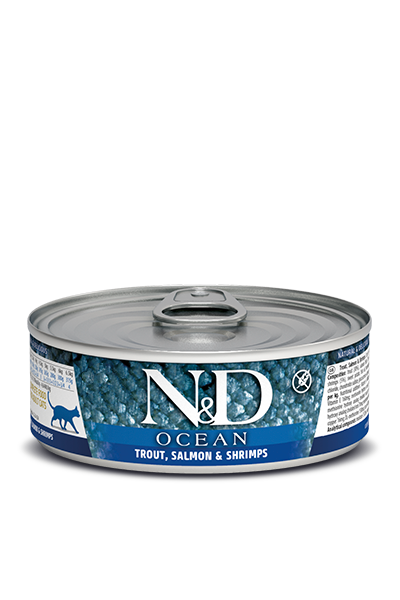
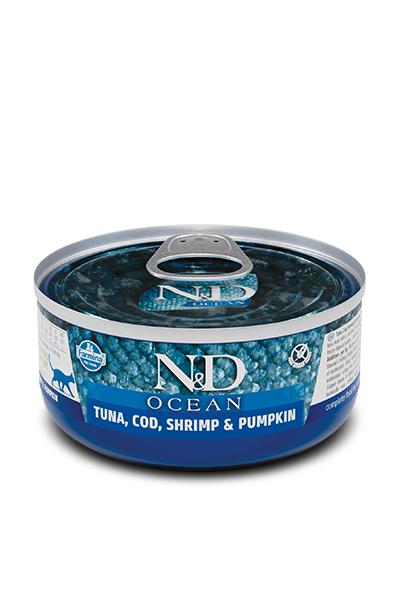
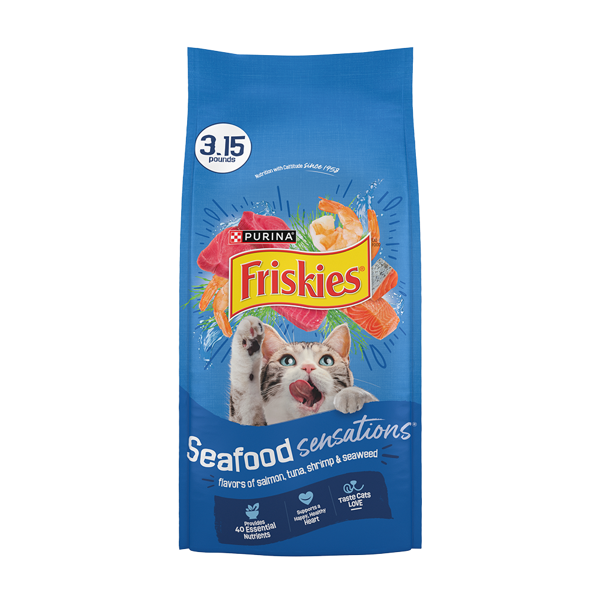
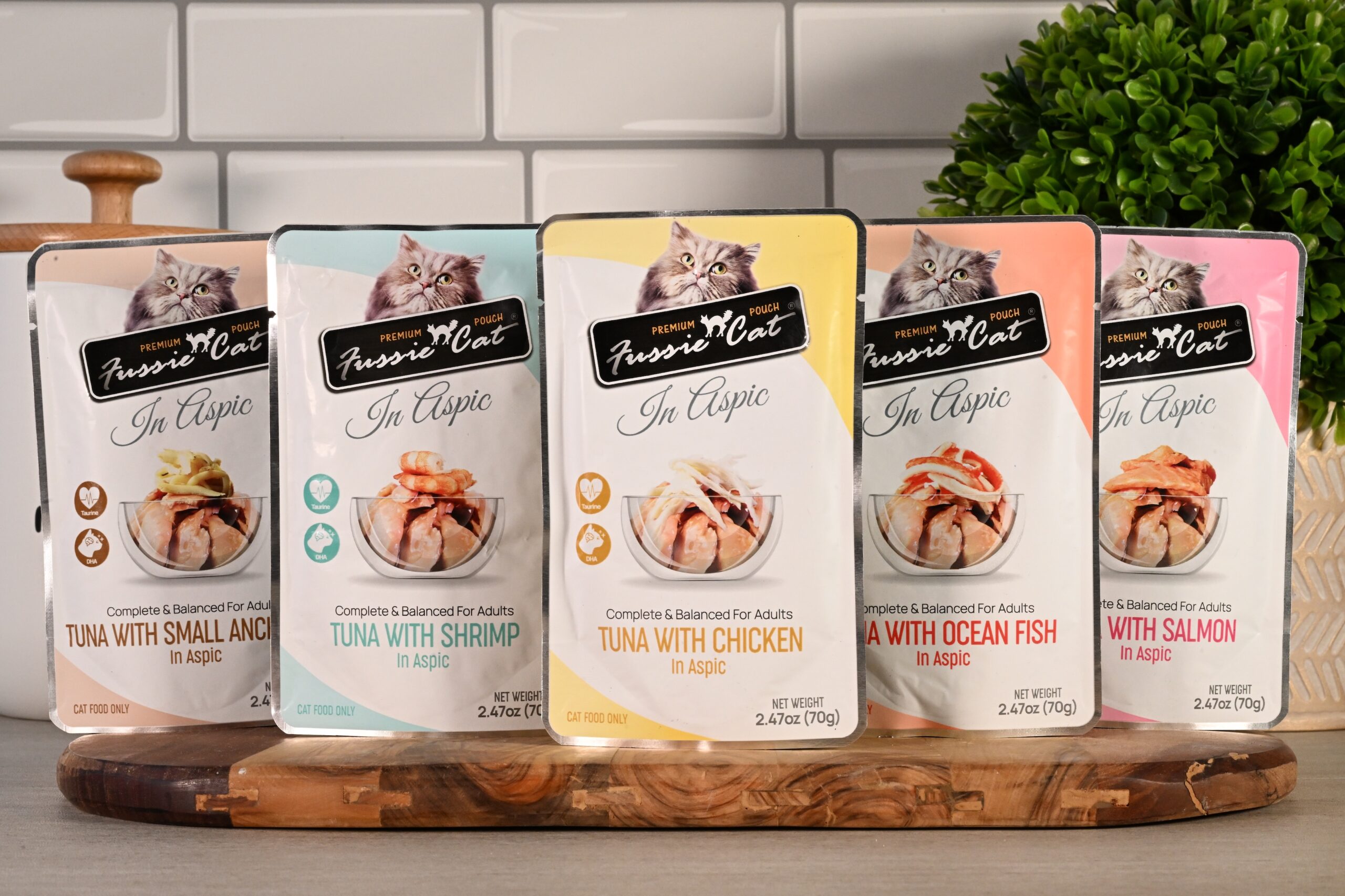
100 foods in the KibbleLab database contain Shrimp, including Earthborn Holistic, Fancy Feast, Farmina.
Foods with Shrimp
Alphabetical by brand. Scores run 0 to 10, higher is better, on published veterinary science.


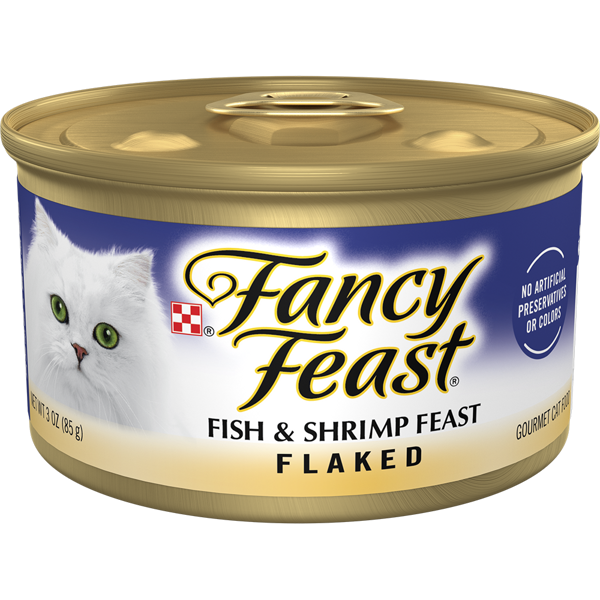
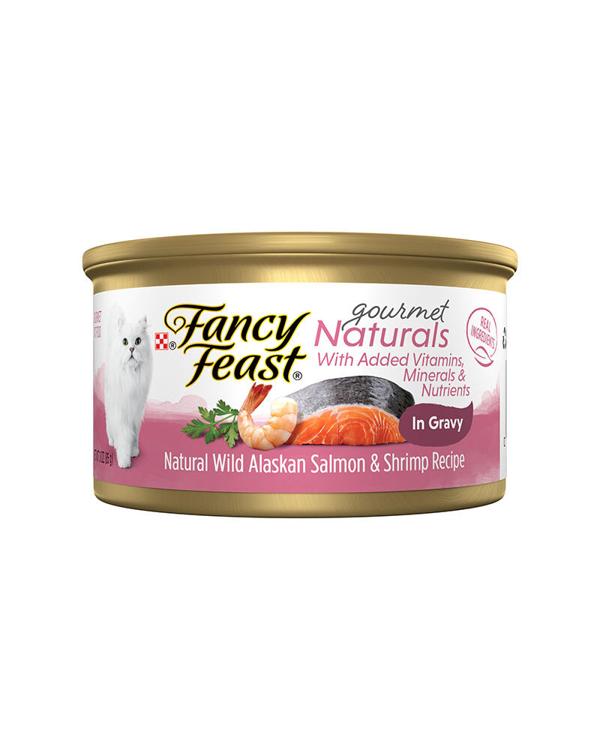


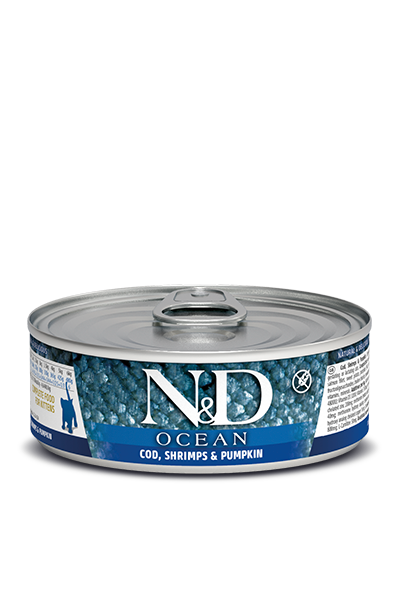
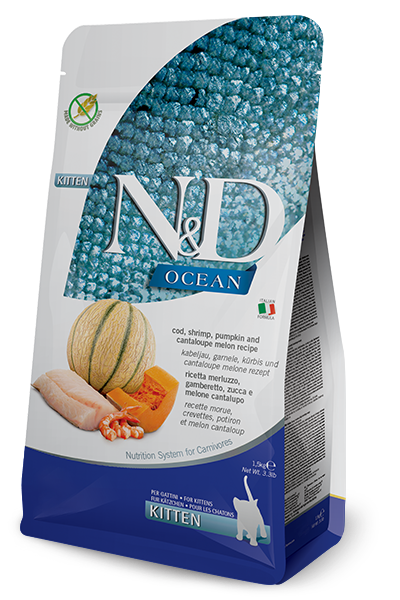
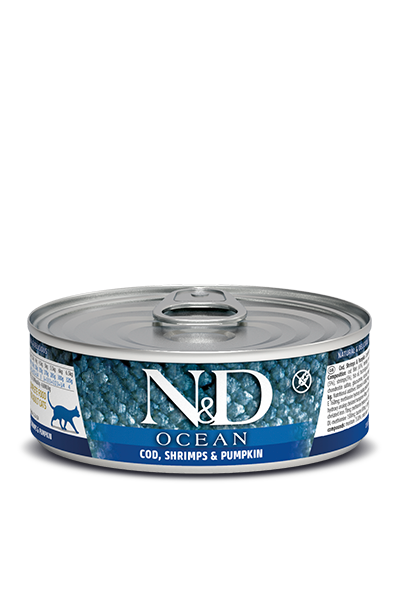
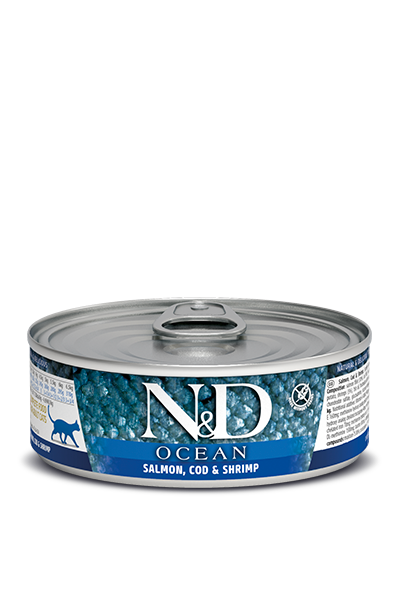
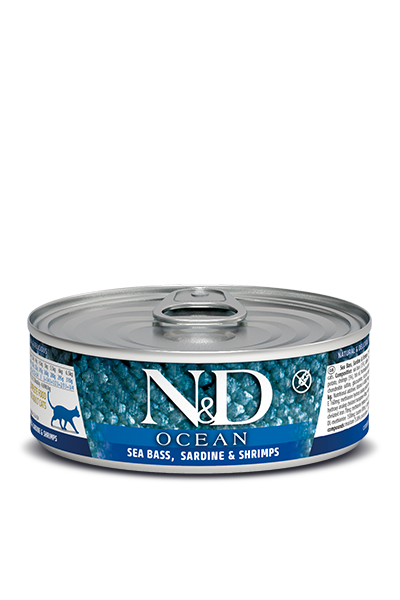
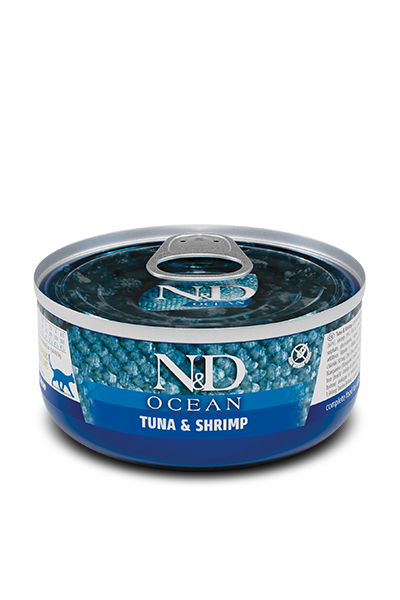


Find the right food for your pet
Sign in free to sort and filter by score, and avoid or require Shrimp in the Food Finder. Add KL+ to see these foods ranked for your pet's breed, age, and health focus.

 Continue with Google
 Continue with Facebook