Sorghum
360 foods contain this ingredient
This is an alphabetical list, not a ranking. Add KL+ to rank foods for your pet in the Food Finder.
About Sorghum
Sorghum is a drought-tolerant cereal grain milled into flour or used whole as a carbohydrate ingredient in pet foods.
Sorghum is a cereal grain commonly used in pet foods as a source of complex carbohydrates, dietary fiber and modest plant protein, often chosen as a gluten‑free alternative to wheat or corn. It can provide fermentable fiber and antioxidant compounds that may support digestion and glycemic control, but is generally less digestible than some grains unless properly processed and certain tannin‑rich varieties can reduce nutrient availability, so quality sourcing and appropriate formulation are important—particularly for cats, whose diets should remain primarily animal‑based.
Related ingredients
- Derived from
- Sorghum bicolor grain (whole, flour, or bran fraction)
- Primary role
- gluten-free carbohydrate and fiber source
Why it's used
Formulators use sorghum as a starch base because it lacks the gluten proteins found in wheat, and research on dogs has found that sorghum flour (with the bran removed) shows comparatively high dry matter, protein, and energy digestibility, supporting its use in easier-to-digest formulations. Whole-grain and bran fractions retain more fiber and phenolic antioxidant compounds than refined flour.
Common concerns
- Tannin content varies by variety Some sorghum varieties contain condensed tannins in the bran layer that can bind proteins, inhibit digestive enzymes, and chelate trace minerals, though the large majority of U.S.-grown sorghum used commercially is bred to be low or free of tannins.
- Mycotoxin risk tied to storage, not the grain itself Like other cereal grains, sorghum can develop mold-related mycotoxins such as aflatoxins if stored improperly, which is a storage and quality-control issue rather than one specific to sorghum's composition.
- Form affects digestibility Digestibility differs meaningfully by processing form, whole grain, bran, or refined flour, so the same ingredient name can behave differently depending on how it was milled and processed before inclusion.
Also relevant
Sorghum is grown without genetic modification in the U.S. and is used commercially across more than a hundred pet food products, largely as a wheat or corn alternative rather than a novel or exotic ingredient.
4 sources cited
- Sorghum flour digestibility findings in dogs (dry matter, organic matter, crude protein, gross energy)
- Condensed tannins in sorghum bran can precipitate proteins, inhibit digestive enzymes, and chelate trace minerals
- U.S. sorghum is predominantly a low/no-tannin variety, with about 99% of U.S. sorghum considered low tannin
- Improperly stored grains including sorghum can develop mold/aflatoxin contamination
Common Questions
What category is Sorghum?
Sorghum is categorized as a grain ingredient in the KibbleLab database.
Is Sorghum part of an allergen group?
Yes. Sorghum is grouped under the Grains allergen group in the KibbleLab database.
Which foods contain Sorghum?
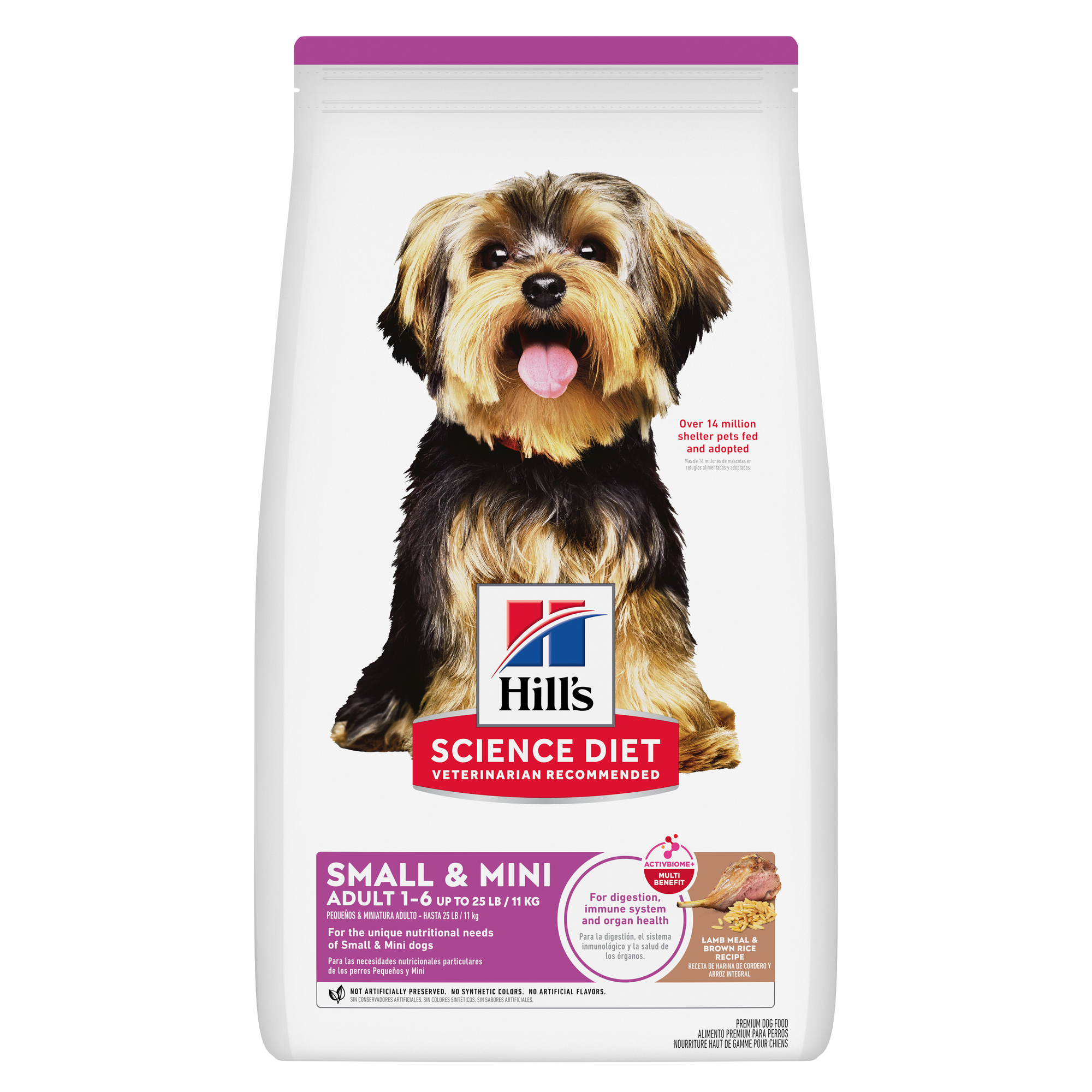
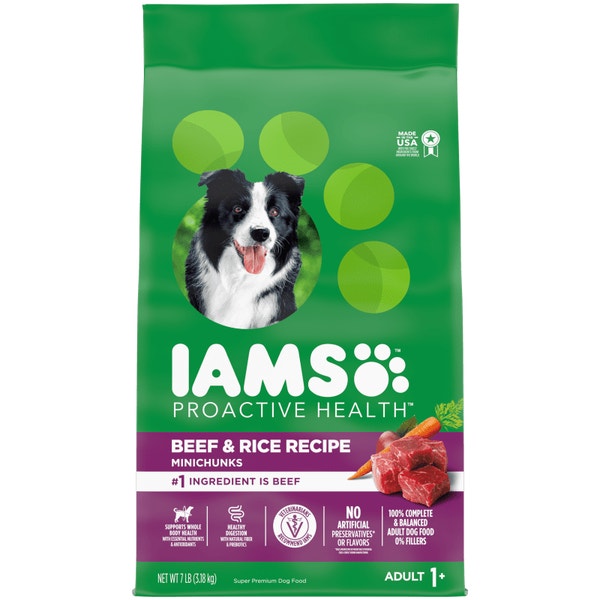
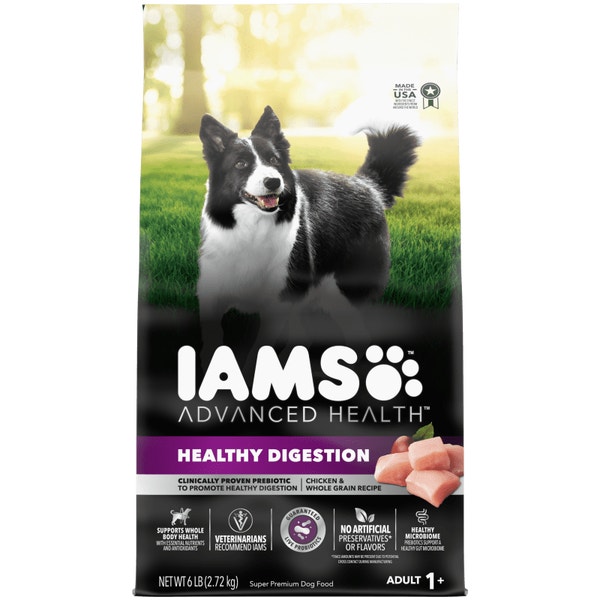
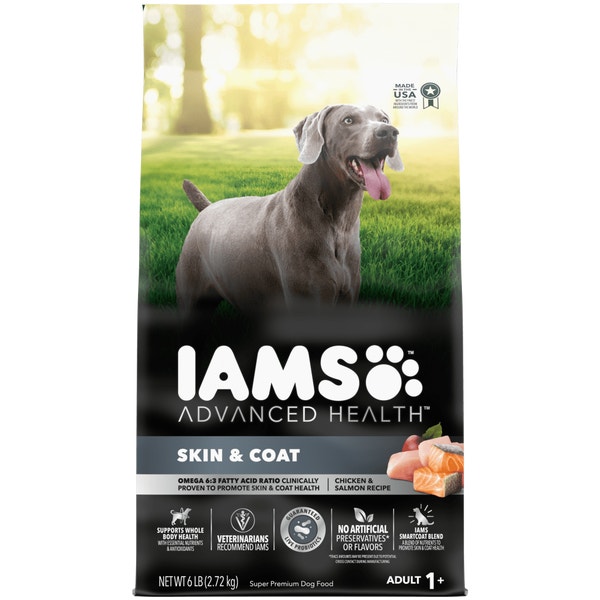
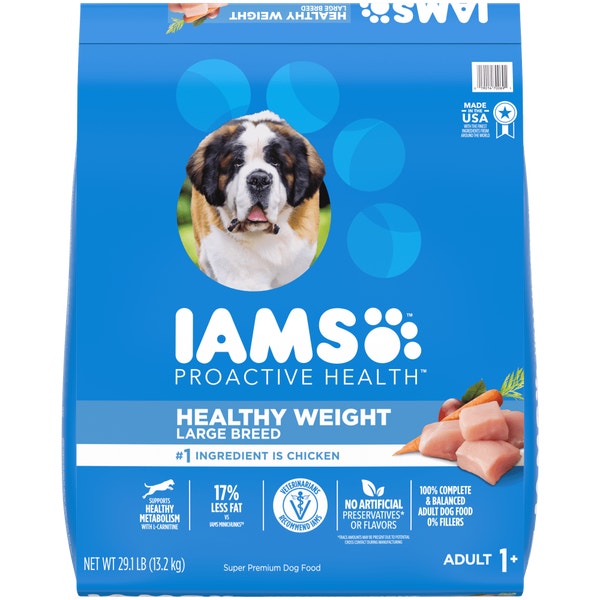
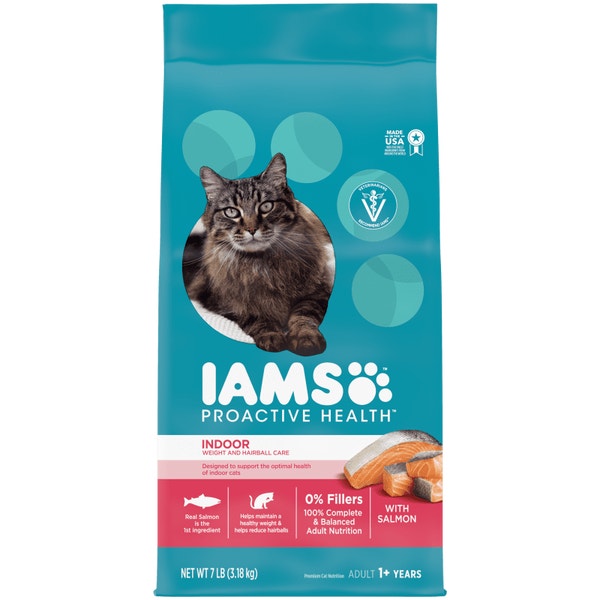
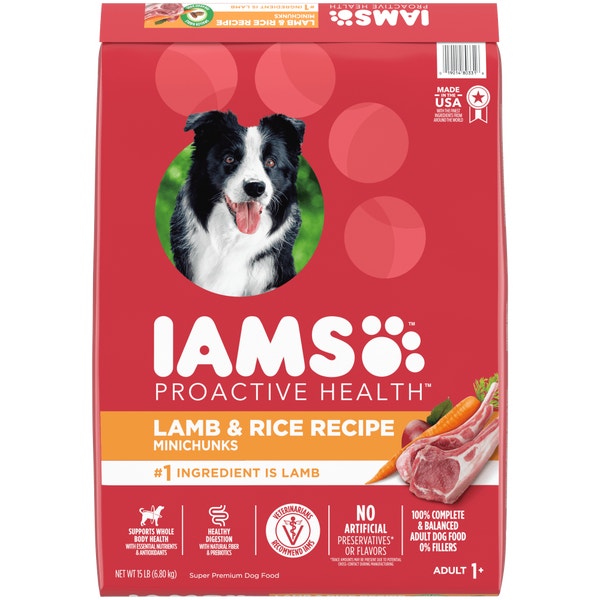
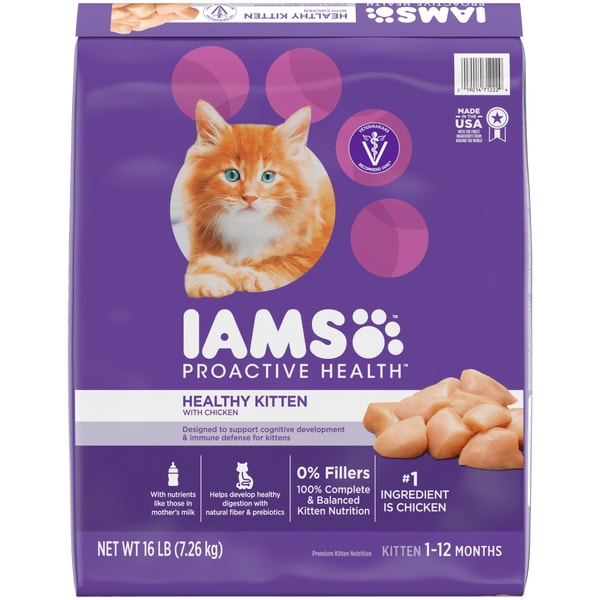
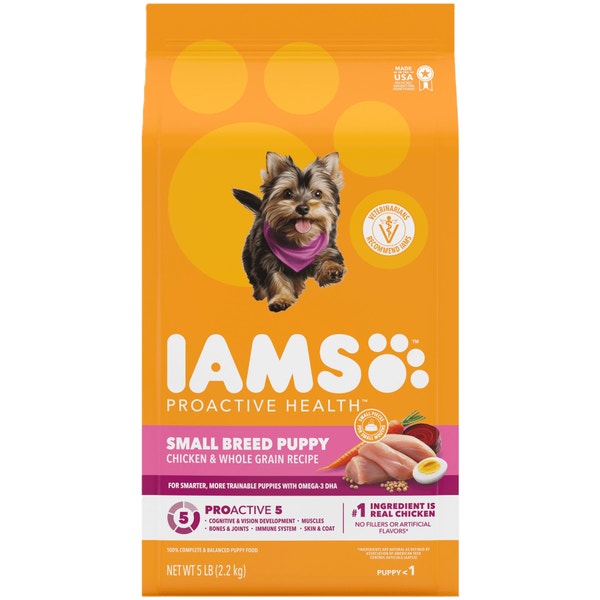
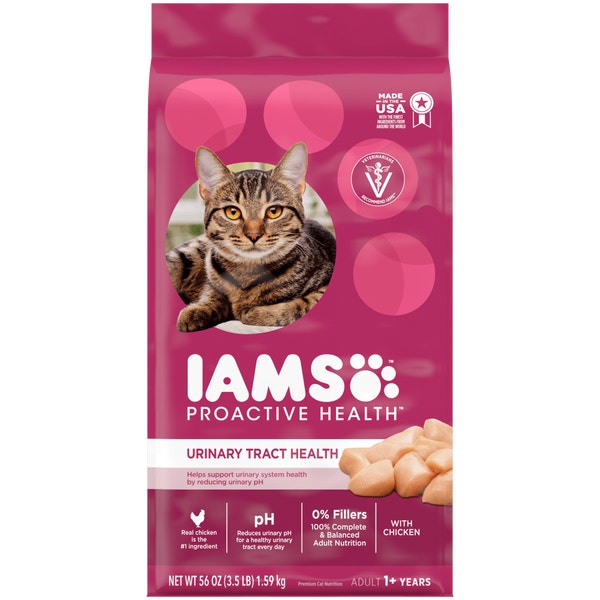
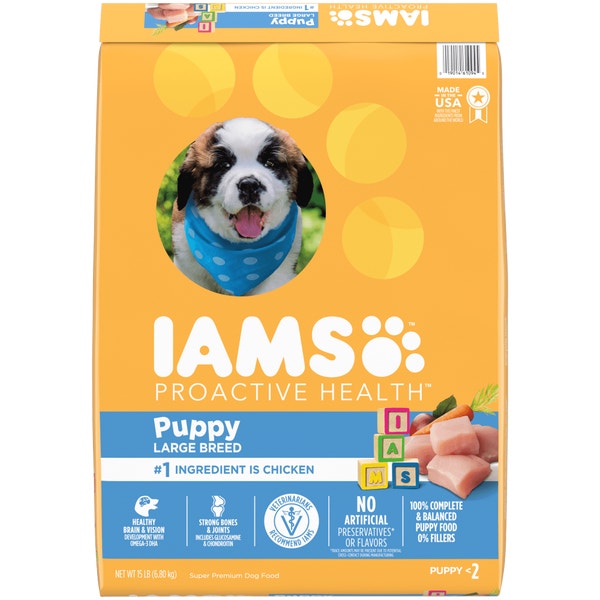
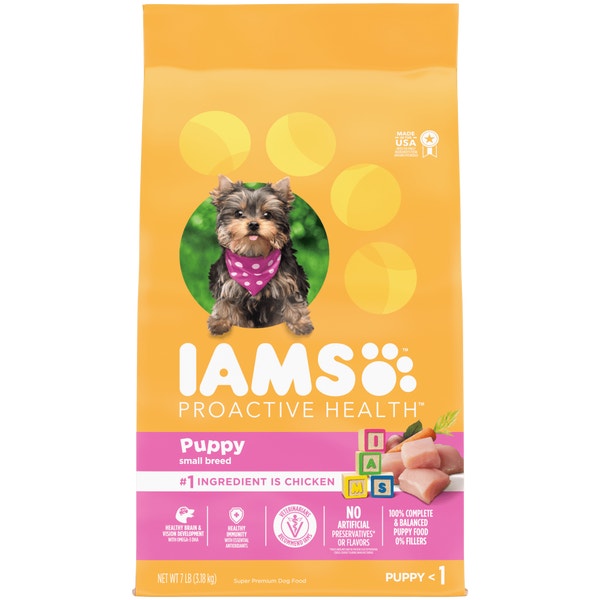
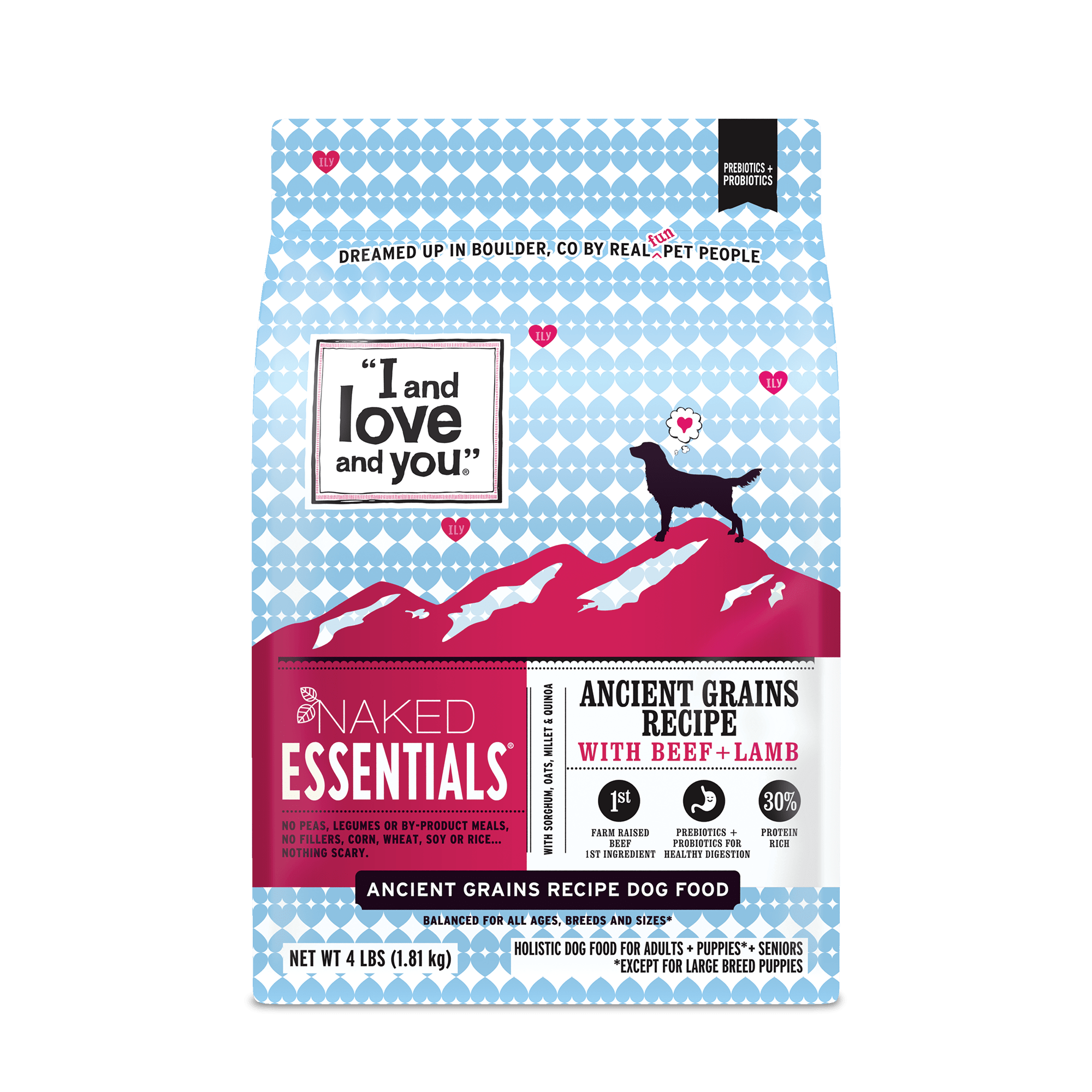
360 foods in the KibbleLab database contain Sorghum, including Hill's Science Diet, Iams, I and Love and You.
Foods with Sorghum
Alphabetical by brand. Scores run 0 to 10, higher is better, on published veterinary science.




Find the right food for your pet
Sign in free to sort and filter by score, and avoid or require Sorghum in the Food Finder. Add KL+ to see these foods ranked for your pet's breed, age, and health focus.

 Continue with Google
 Continue with Facebook