Turmeric
802 foods contain this ingredient
This is an alphabetical list, not a ranking. Add KL+ to rank foods for your pet in the Food Finder.
About Turmeric
Turmeric is a yellow-orange spice added to some pet foods and supplements mainly for its curcumin content, not for basic nutrition.
Turmeric is a spice used in pet foods and supplements primarily for its antioxidant and anti-inflammatory compound curcumin, and is included as a flavor/colorant or complementary joint and digestive support ingredient rather than a primary nutrient. It can offer potential benefits—particularly for dogs—when properly formulated with a bioavailability enhancer (e.g., black pepper or fat), but large amounts may cause gastrointestinal upset, cats can be more sensitive to concentrated spices, and turmeric/curcumin may interact with blood thinners or diabetes medications, so veterinary guidance is recommended before use.
Related ingredients
- Derived from
- Curcuma longa rhizome
- Primary role
- Curcumin source, coloring, flavoring
Why it's used
Formulators include turmeric or its extracted curcumin as a functional additive, often marketed for joint or digestive support, rather than as a source of calories or essential nutrients. Curcumin is poorly absorbed on its own, so many products pair it with piperine (black pepper extract) or fat, a combination studied for improving absorption of related plant compounds in beagle dogs.
Common concerns
- Low absorption without an enhancer Curcumin has documented poor oral bioavailability, and research in dogs has examined piperine and specialized formulations (such as cyclodextrin or phospholipid complexes) as ways to increase how much is absorbed.
- Digestive upset Concentrated turmeric or curcumin doses are commonly associated with gastrointestinal upset, and cats are generally discussed as more sensitive to concentrated spice compounds than dogs.
- Drug interactions Curcumin is discussed in veterinary sources as a potential interaction risk with anticoagulant and diabetes medications, which is why owners are typically advised to loop in a veterinarian before adding a concentrated supplement.
- Gallbladder and bleeding conditions Pets with existing gallbladder disease or bleeding disorders are sometimes flagged as needing to avoid concentrated turmeric or curcumin supplements.
Also relevant
The turmeric used as a minor spice or colorant in a commercial diet is a different exposure level than a concentrated curcumin supplement dosed separately, so label context matters when weighing any of the concerns above.
3 sources cited
- Piperine's mechanism as a bioenhancer and studies of curcumin/piperine combinations affecting absorption in beagle dogs
- Specialized curcumin formulations (cyclodextrin, phospholipid complex) show markedly different relative bioavailability in beagle dog pharmacokinetic studies
- General overview of turmeric/curcumin use, cautions around gallbladder disease, bleeding disorders, and cat dosing sensitivity
Common Questions
What category is Turmeric?
Turmeric is categorized as a herb ingredient in the KibbleLab database.
Is Turmeric part of an allergen group?
No allergen group is linked to Turmeric in the KibbleLab database.
Which foods contain Turmeric?
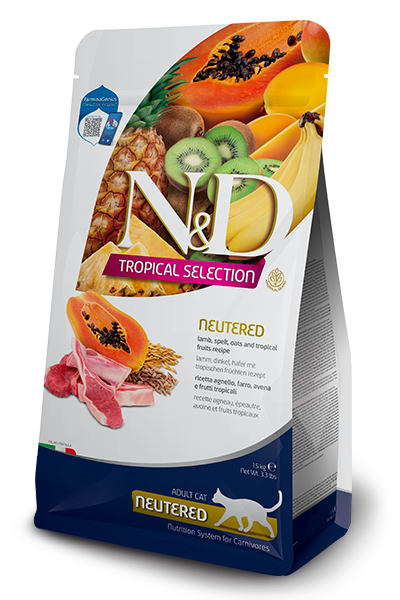
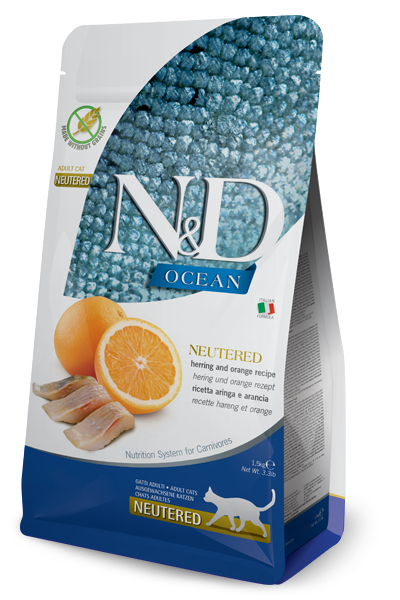
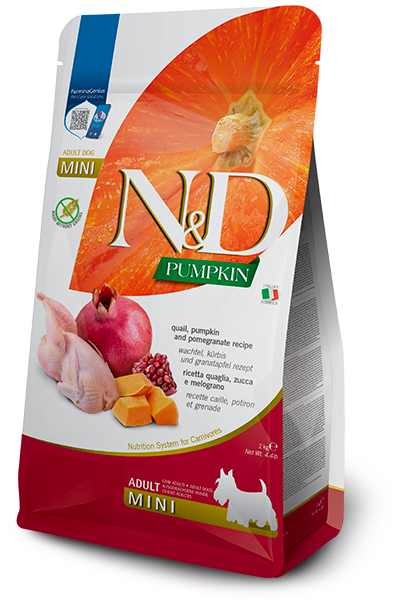
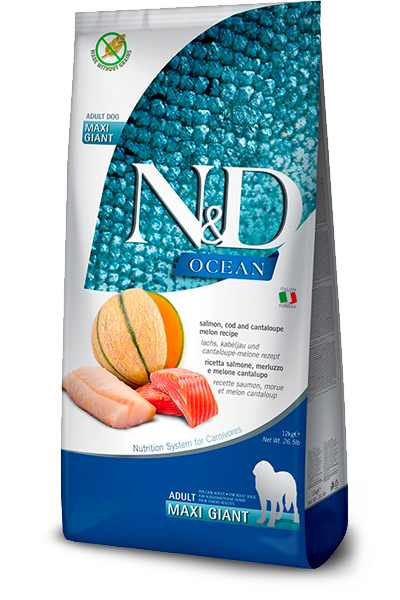
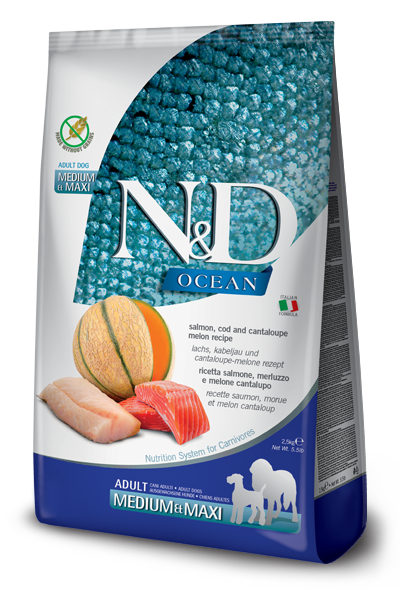
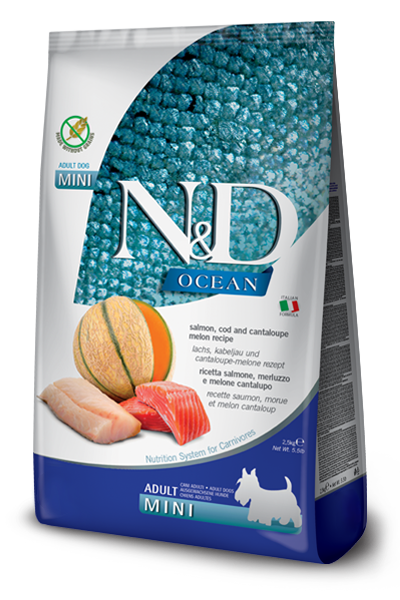
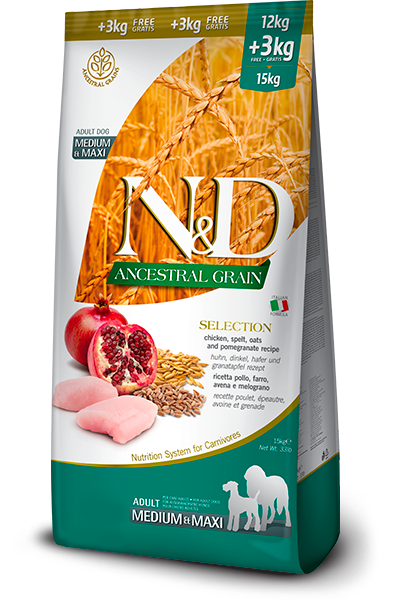
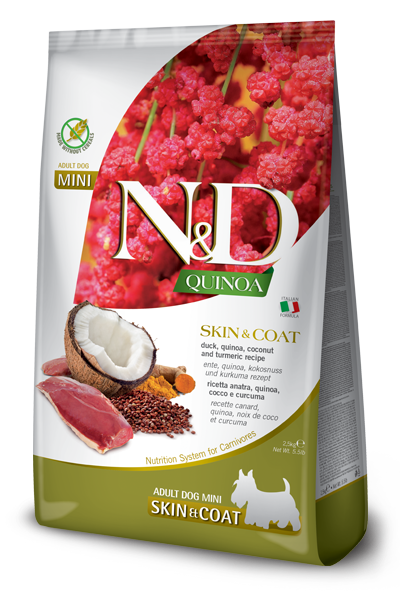
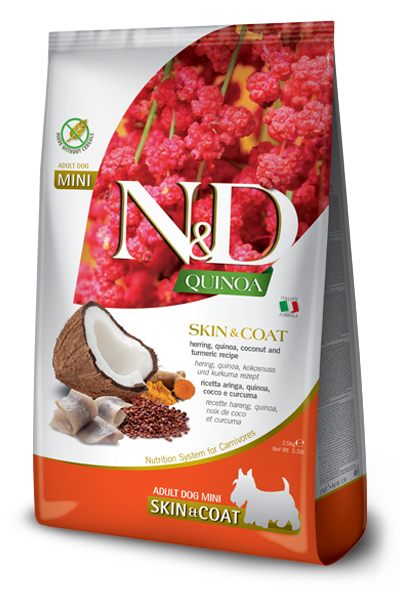
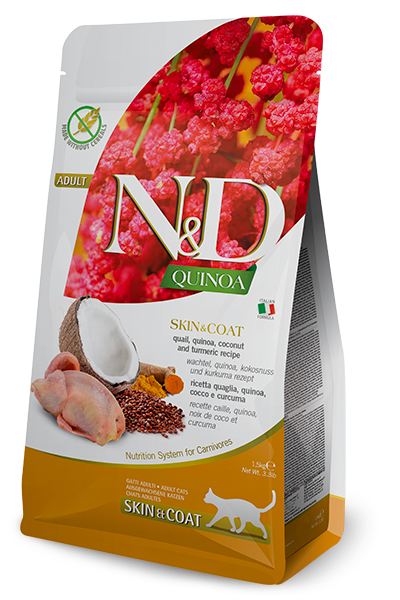
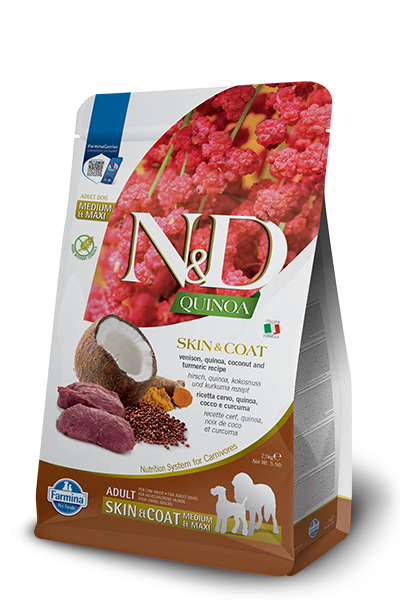
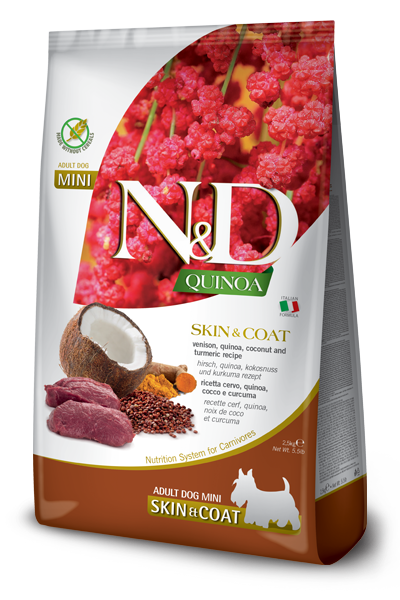
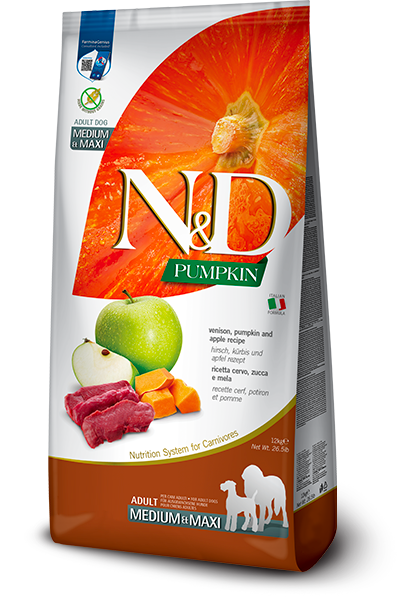
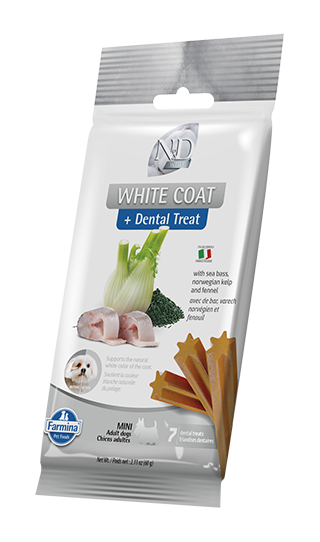
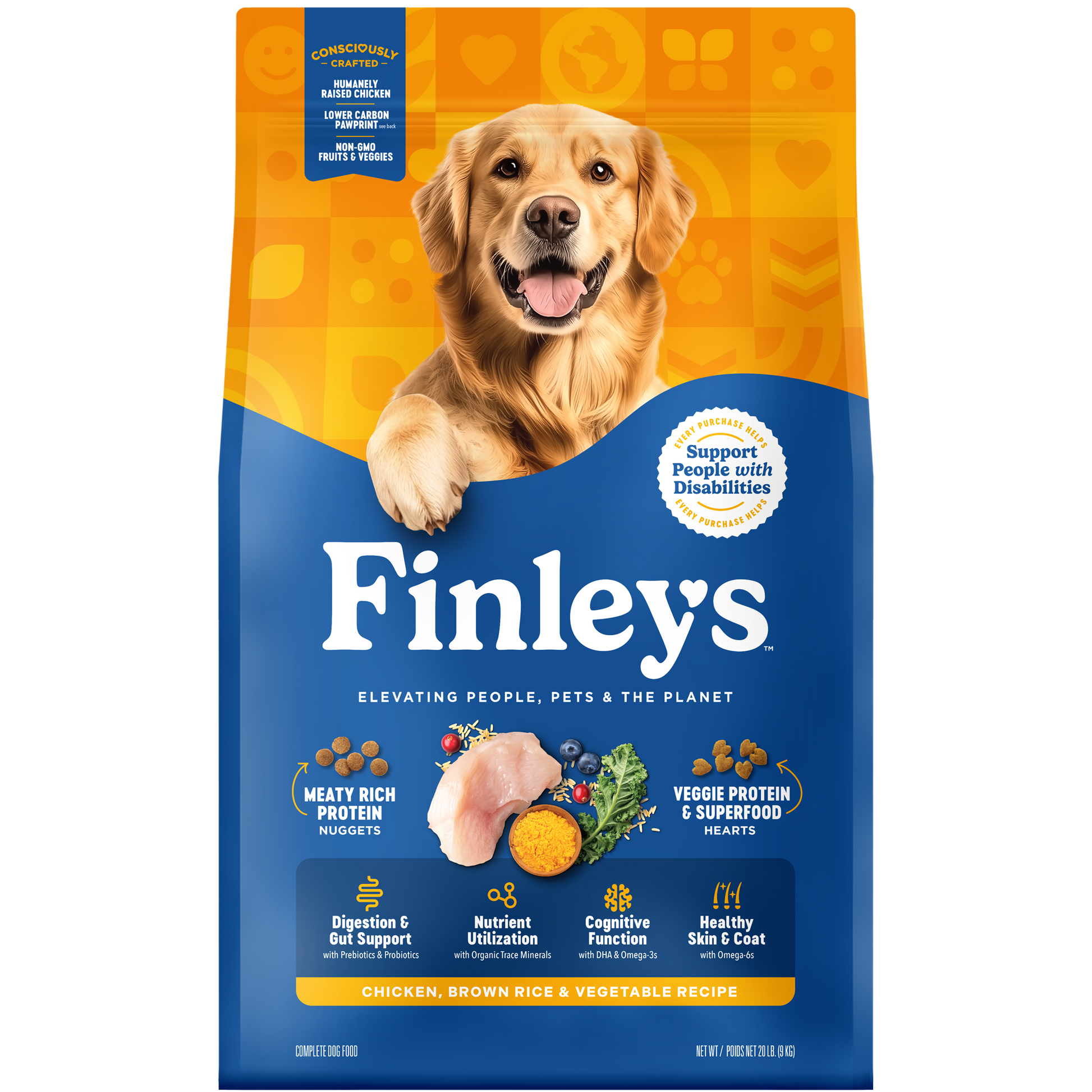
802 foods in the KibbleLab database contain Turmeric, including Farmina, Fera Pets, Finley's.
Foods with Turmeric
Alphabetical by brand. Scores run 0 to 10, higher is better, on published veterinary science.
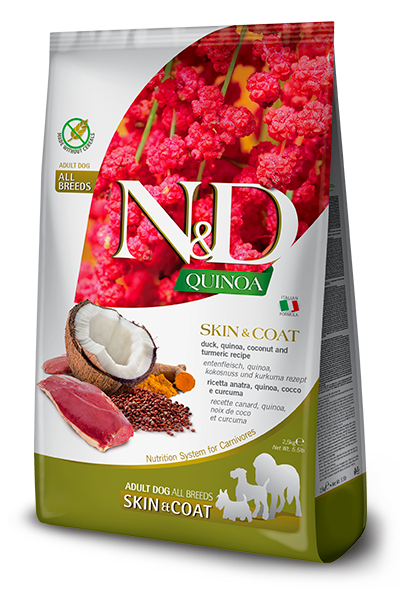

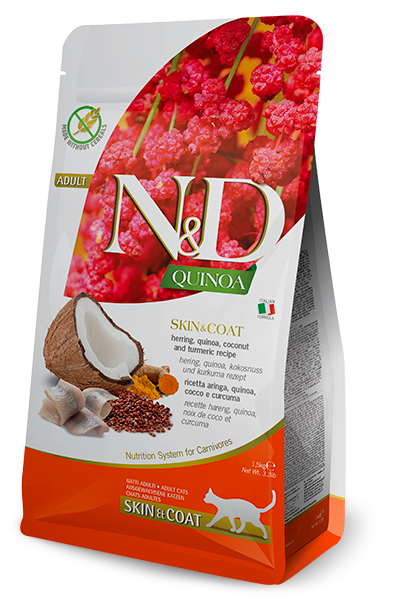
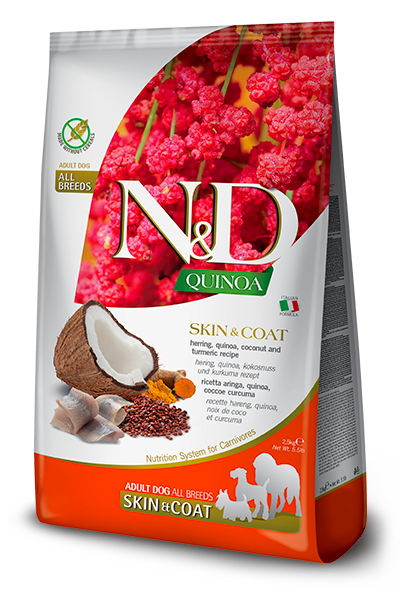
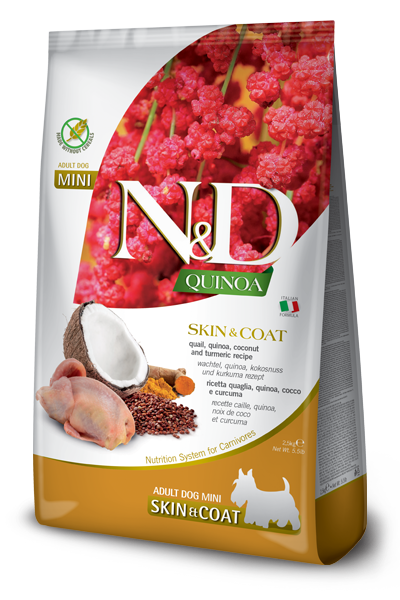





Find the right food for your pet
Sign in free to sort and filter by score, and avoid or require Turmeric in the Food Finder. Add KL+ to see these foods ranked for your pet's breed, age, and health focus.

 Continue with Google
 Continue with Facebook