Whey
161 foods contain this ingredient
This is an alphabetical list, not a ranking. Add KL+ to rank foods for your pet in the Food Finder.
About Whey
Whey is the liquid byproduct left over from cheese making, containing milk proteins along with lactose and minerals, dried into a powder and added to pet food for its amino acid content and taste.
Whey is a dairy-derived protein and flavoring commonly used in pet foods and treats as a highly digestible, high-quality protein source rich in essential amino acids (including branched-chain amino acids) and some minerals and B vitamins. It can support muscle maintenance and improve palatability for dogs and cats, but may cause gastrointestinal upset in lactose-intolerant animals and should be avoided in pets with milk allergies or used cautiously to prevent excess calories or mineral imbalance.
Related ingredients
- Derived from
- milk (cheese production byproduct)
- Primary role
- protein and palatant
Why it's used
Manufacturers add whey because its amino acid profile, particularly its leucine content, is associated with lean muscle support, and it is frequently used in formulas for weaning puppies and kittens or for pregnant and lactating mothers. It also acts as a flavor enhancer that can increase a food's palatability.
Common concerns
- Dairy allergen status Merck Veterinary Manual and veterinary allergy references list dairy among the most common food allergens identified in dogs and cats, alongside beef, chicken, and fish.
- Lactose sensitivity VCA Animal Hospitals notes that lactose intolerance, most often discussed in cats, can produce diarrhea, vomiting, bloating, or abdominal discomfort after ingesting milk-derived ingredients.
- Distinguishing intolerance from allergy Whey itself can be an allergenic milk protein separate from lactose, so a lactose-free claim does not necessarily mean an animal with a dairy protein allergy will tolerate it; a veterinary elimination trial is the standard way to confirm a diagnosis.
Also relevant
Because whey is a dairy derivative, it falls under the broader dairy allergen group along with other milk-based ingredients like casein, milk protein, and lactose.
4 sources cited
- Dairy is among the most common food allergens identified in dogs and cats
- Lactose intolerance in cats and dogs can cause diarrhea, vomiting, bloating, and abdominal discomfort
- A strict dietary elimination trial is the standard method for diagnosing food allergies in companion animals
- Whey protein's leucine and amino acid profile is used to support muscle health, and whey is used in weaning and lactating-mother pet food formulas
Common Questions
What category is Whey?
Whey is categorized as a protein ingredient in the KibbleLab database.
Is Whey part of an allergen group?
Yes. Whey is grouped under the Dairy allergen group in the KibbleLab database.
Which foods contain Whey?
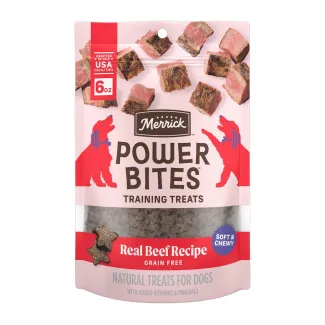
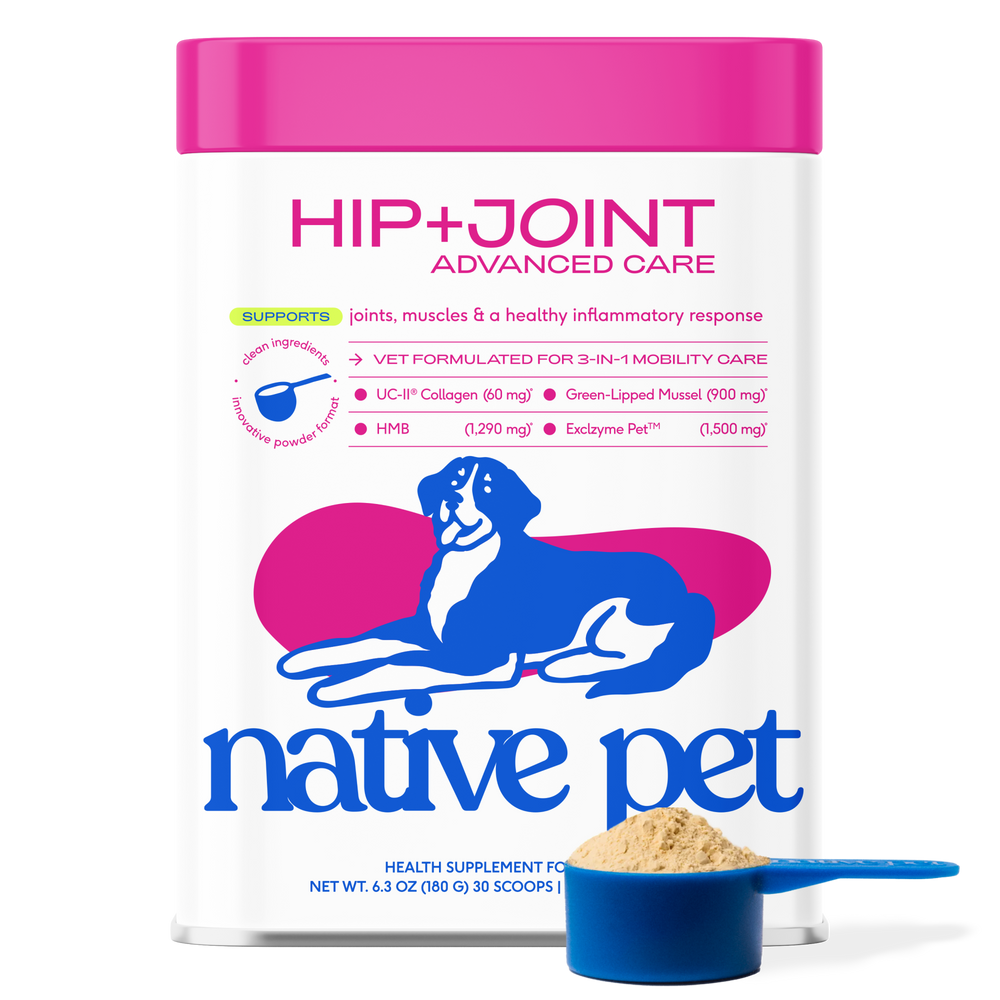
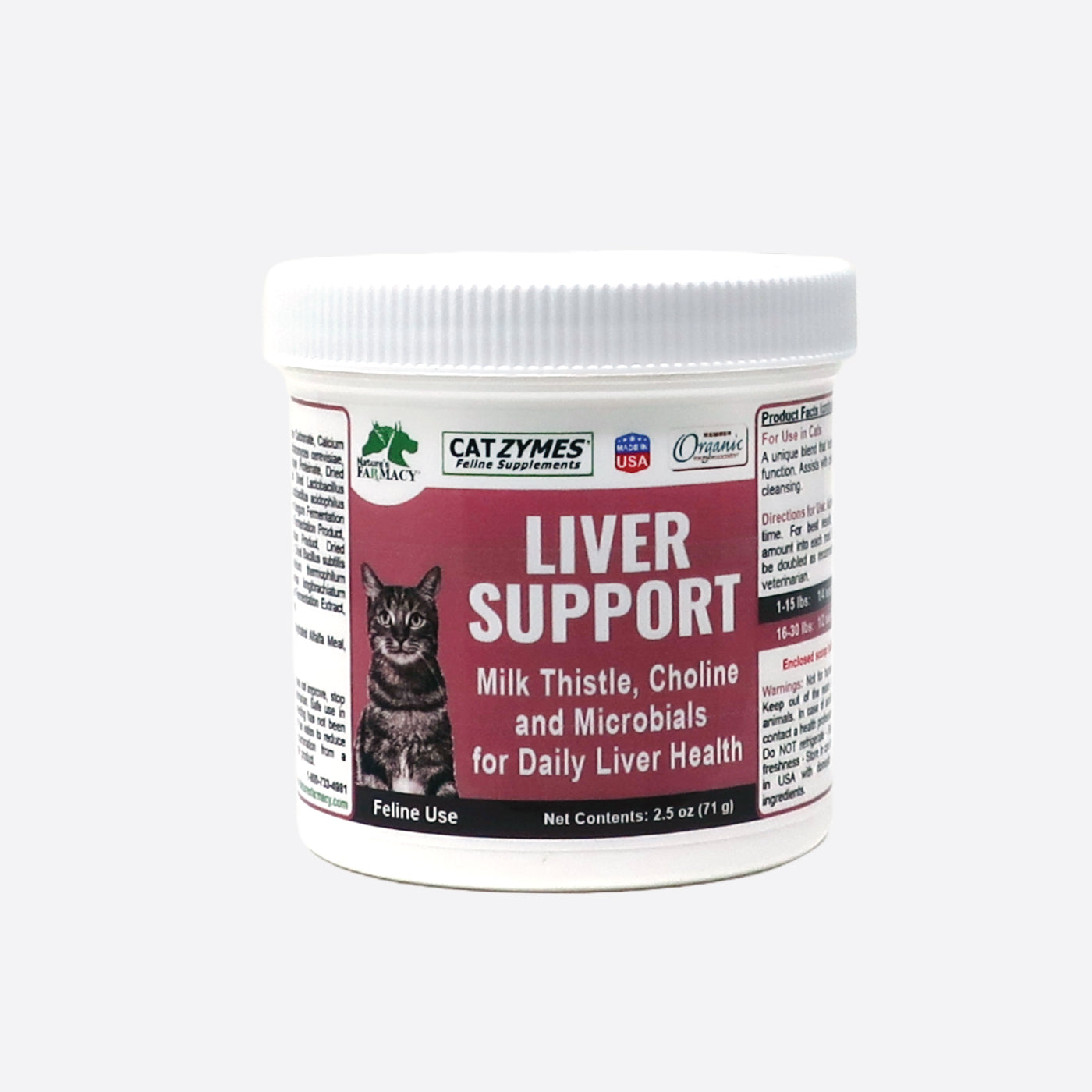
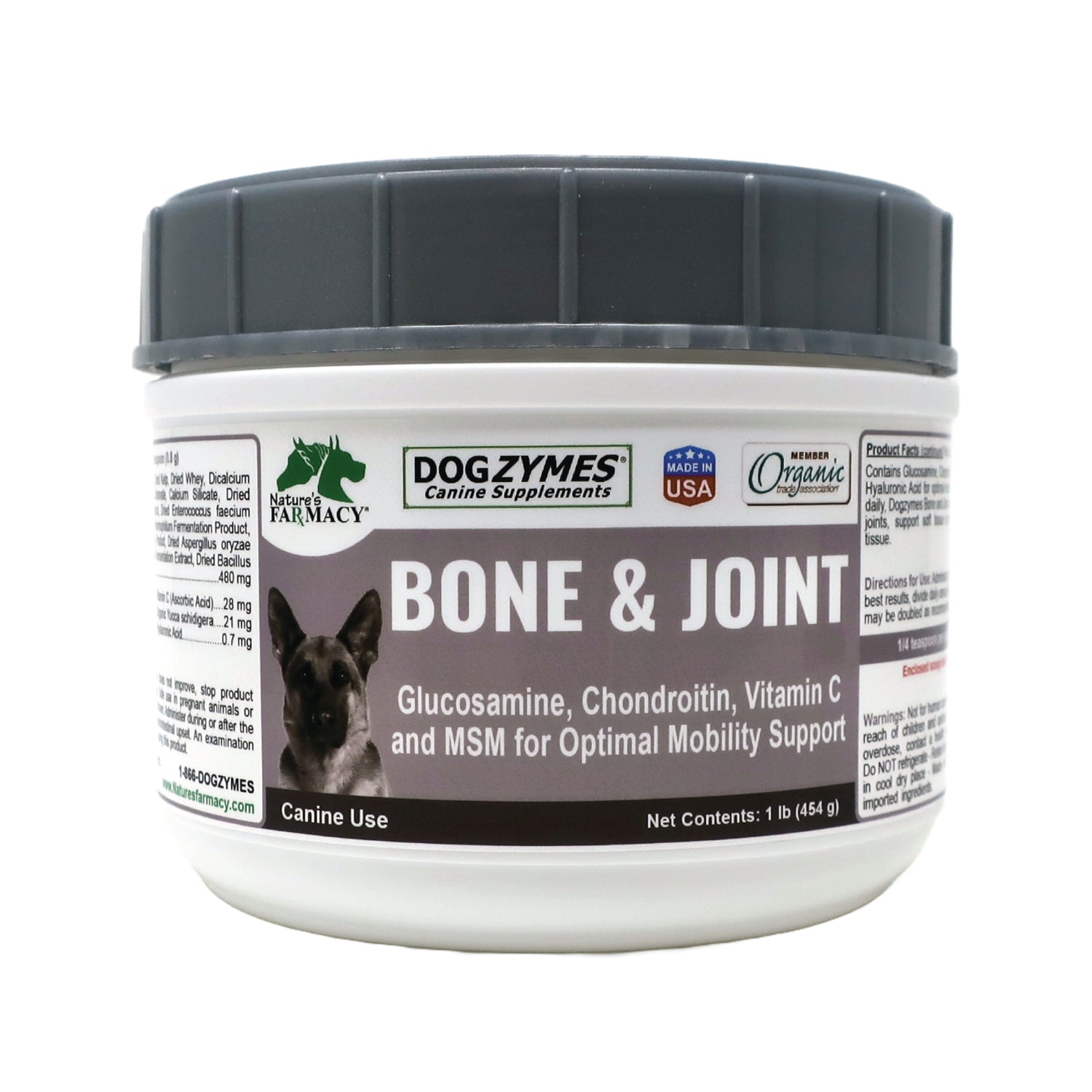
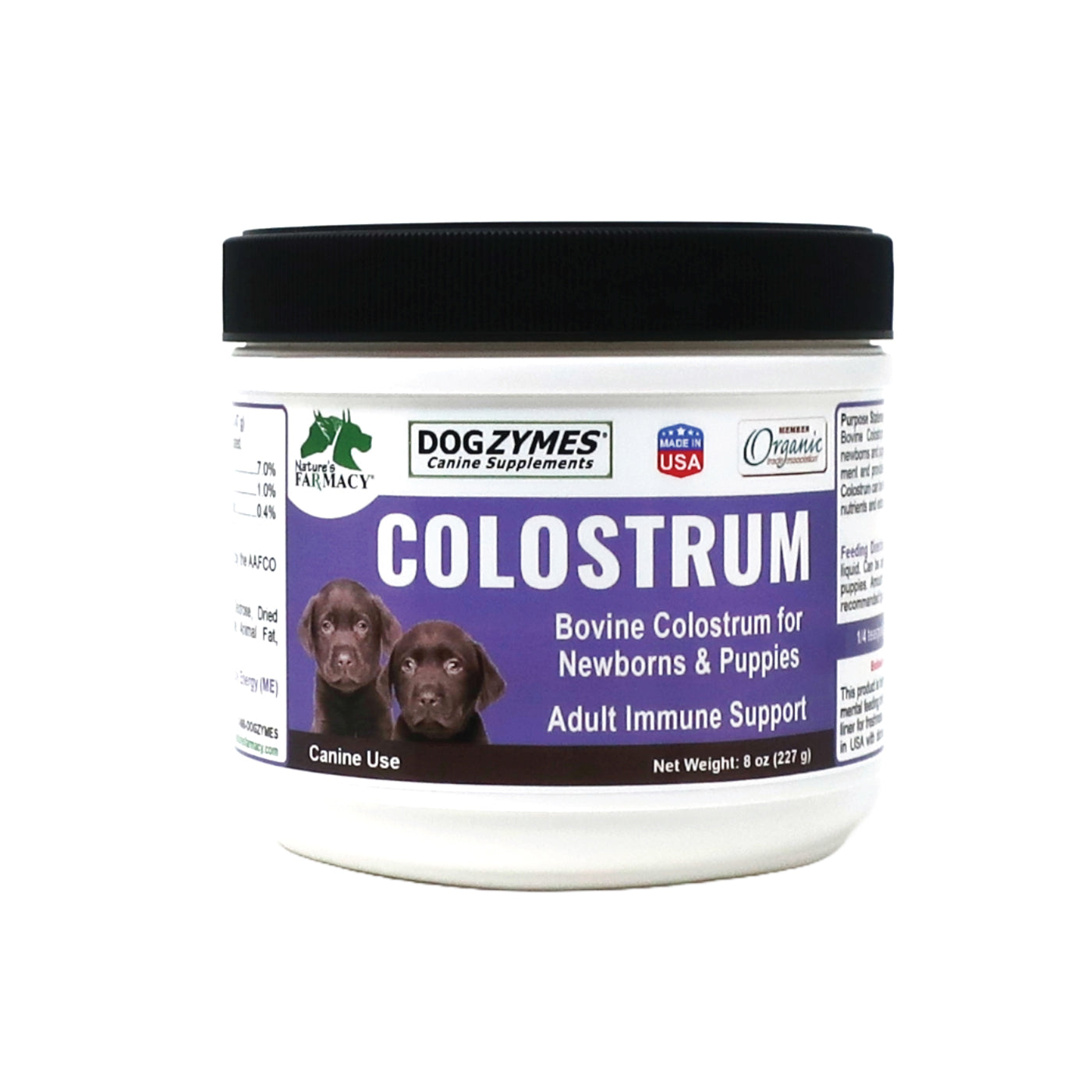
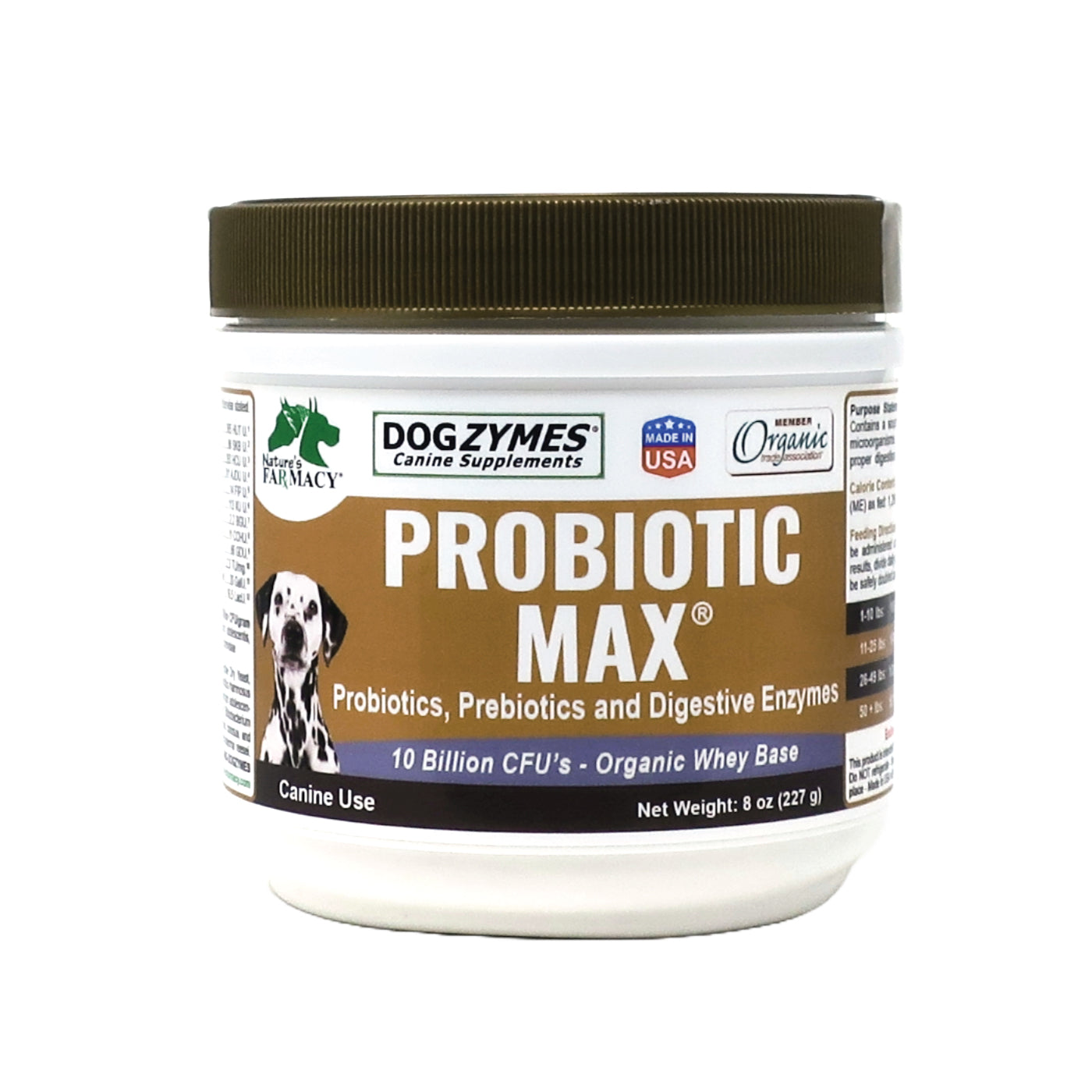
161 foods in the KibbleLab database contain Whey, including Merrick, Native Pet, Nature's Farmacy.
Foods with Whey
Alphabetical by brand. Scores run 0 to 10, higher is better, on published veterinary science.













Find the right food for your pet
Sign in free to sort and filter by score, and avoid or require Whey in the Food Finder. Add KL+ to see these foods ranked for your pet's breed, age, and health focus.

 Continue with Google
 Continue with Facebook