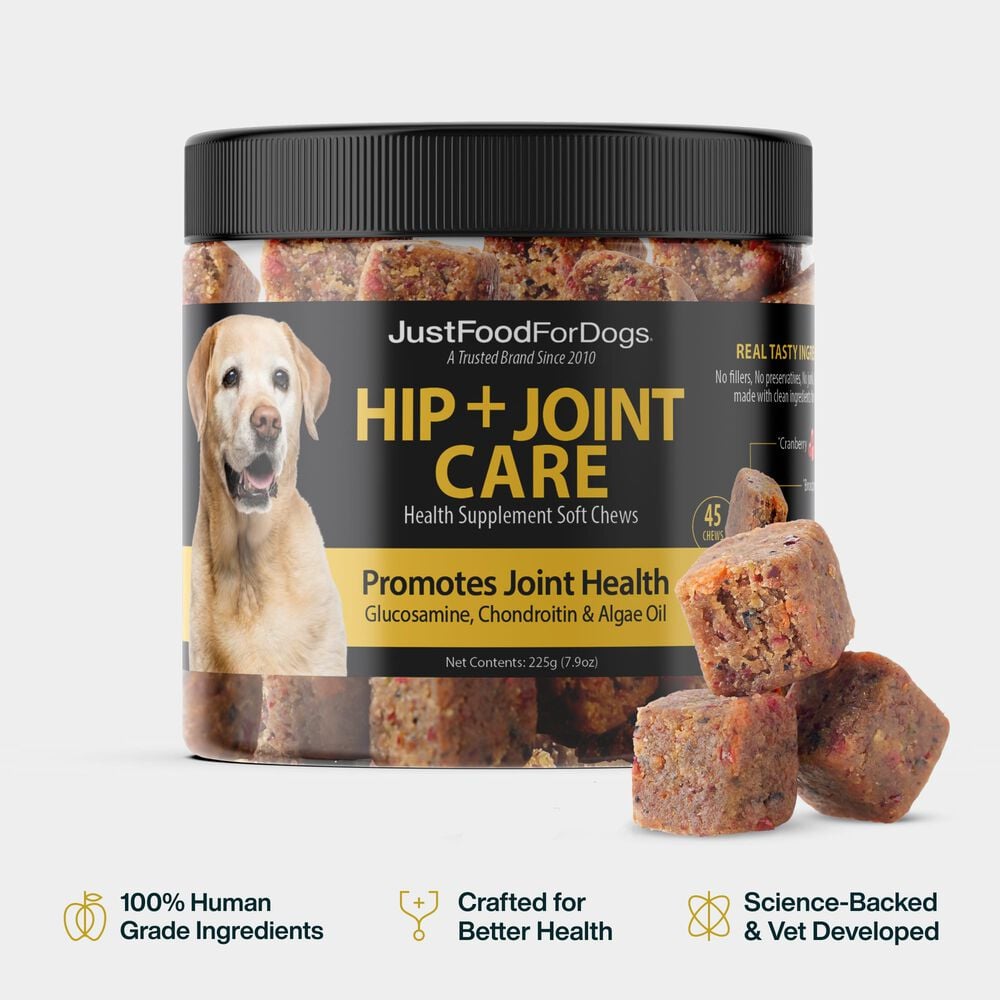

Hip + Joint Care Soft Chews Supplement
Verified Oct 14, 2026
A hip and joint soft chew supplement for adult and senior dogs that combines glucosamine, chondroitin, and algae-derived omega-3s with antioxidant vitamins. It’s designed to support joints, bones, and connective tissues alongside your dog’s regular diet. The chews also include fruits, vegetables, and peanut flour to make them more palatable for most dogs.
Jump to ingredientsAffiliate link · may earn a commission at no extra cost to you
Strong Choice
This is a joint support supplement intended for adult and senior dogs, not a complete diet. It focuses on well-known joint nutrients like glucosamine, chondroitin, and omega-3 fatty acids, plus antioxidant vitamins. It can be a reasonable option for dogs needing extra joint support in addition to a balanced dog food, especially those slowing down with age or normal activity-related stiffness.
Computed from 3 of 3 applicable checks. Missing data is skipped, never counted against a food.
The KibbleLab Score (1–10) is assessed from publicly available product data. Our evaluation is science-based, not marketing-based.
KibbleLab may earn an affiliate commission when you buy through a link. No one can pay for a higher score, or to change what we recommend for your pet.
At a Glance
Where these benefits come from
Benefits the manufacturer highlights in its own product marketing. KibbleLab lists them for reference and does not verify these claims.KibbleLab Review
Strengths
- Provides glucosamine and chondroitin, two of the most commonly used nutrients to support joint cartilage in dogs.
- Includes algae oil as a source of EPA and DHA omega-3s, which can help support joint health and comfort.
- Contains antioxidant vitamins C and E, along with fruits and vegetables like blueberry and broccoli.
- Offered as a soft chew, which is usually easy to give and can work well for picky or senior dogs.
Considerations
- This is intended only as a supplement, so it must be fed along with a complete and balanced dog food.
- Contains peanut flour, so it is not a good choice for dogs with peanut sensitivities.
- Includes various flavoring ingredients like honey and date paste, which add palatability but also extra calories in treat form.
- Not recommended for puppies, so it should only be used for adult and senior dogs as directed.
Full Ingredient List
Ingredients and analysis reflect manufacturer data at the time of our last update and can change without notice. Always check the actual product packaging before feeding.
Ingredient filtering helps identify compatible options but is not a substitute for a veterinary elimination diet.
Top 5 Ingredients Explained
01
Glucosamine Sulfate
Glucosamine sulfate is commonly added to pet foods and supplements as a joint-support ingredient, supplying a precursor for cartilage and synovial fluid and often included in diets for adult and senior dogs and cats or pets with osteoarthritis. It can help support joint comfort and mobility—evidence is stronger in dogs than cats—and most animals tolerate it well, but pet parents should consult their veterinarian about appropriate dosing, product quality (shellfish-derived vs. synthetic), possible interactions (for example with anticoagulants), and monitoring in diabetic pets.
02
Chondroitin Sulfate
Chondroitin sulfate is a structural component of cartilage commonly added to pet foods and supplements to support joint health, often paired with glucosamine to help maintain cartilage integrity and reduce signs of osteoarthritis in dogs and cats. It is generally considered safe but evidence of benefit varies, quality and dosage matter, and owners should consult a veterinarian—use cautiously in pets with bleeding disorders or those on anticoagulant medications and watch for possible gastrointestinal upset.
03
Eicosapentaenoic Acid
Eicosapentaenoic acid (EPA) is a long‑chain omega‑3 fatty acid commonly included in pet foods and supplements—usually from fish or algal oil—to provide anti‑inflammatory support for skin and coat health, joint comfort, and cardiovascular and immune function in dogs and cats. It is nutritionally important because pets (and especially cats, which convert plant omega‑3s poorly) benefit from preformed EPA/DHA, but owners should be mindful of product purity and oxidation and consult a veterinarian about appropriate dosing because high intakes can affect blood clotting or interact with certain medications.
04
Docosahexaenoic Acid
Docosahexaenoic acid (DHA) is a long-chain omega‑3 fatty acid added to pet foods and supplements to provide an essential lipid that supports brain and retinal development in puppies and kittens and helps maintain cognitive function, learning, and healthy skin and coat in adult dogs and cats. It is often supplied from fish or algal oils and is particularly important for species that convert plant omega‑3s poorly (e.g., cats); owners should be mindful of proper dosing, product oxidation or marine contaminants, and consult a veterinarian for animals on anticoagulant therapy or with specific health concerns.
05
Algae Oil
Algae oil is used in pet foods as a concentrated source of omega‑3 fatty acids—primarily DHA—and serves as a sustainable, vegetarian alternative to fish oil to support skin and coat health, cognitive and retinal development, and anti‑inflammatory benefits in dogs and cats. It can be especially important for growing kittens and pregnant or nursing females who require preformed DHA, but it is calorie‑dense and can oxidize if not properly preserved, so products should come from reputable manufacturers and be dosed appropriately to avoid gastrointestinal upset or nutrient imbalances.
Product Details & Brand
Product Specs
AAFCO Nutritional Adequacy
What is AAFCO
Association of American Feed Control Officials. It sets the nutritional
adequacy standards US pet foods are measured against.
What is AAFCO
Association of American Feed Control Officials. It sets the nutritional adequacy standards US pet foods are measured against.Why this is not complete and balanced
This product is not labeled complete and balanced. It is intended for intermittent or supplemental feeding.Brand

JustFoodForDogs is a premium pet food brand offering freshly prepared, human-grade meals for dogs. The brand emphasizes transparency, nutrition backed by veterinary science, and meals cooked in open kitchens. It caters to discerning pet owners seeking balanced, minimally processed nutrition formulated by veterinary professionals.
Manufacturer
JustFoodForDogs operates open-to-the-public kitchens and facilities where all meals are prepared in accordance with USDA standards for human food. The company adheres to rigorous quality control, using independent laboratory testing for nutrient analysis and safety. Their veterinary team formulates diets based on AAFCO nutrient guidelines and conducts feeding trials.
Manufacturing details are compiled from public sources and not independently verified; they may not reflect contract manufacturing or co-packing.
Recall History
No recall is listed for JustFoodForDogs Hip + Joint Care Soft Chews Supplement.
Source: FDA animal food recall listings back to January 2019 · Checked daily, last on Oct 15, 2026
Sign up for the full picture
Ingredient Check
We'll check every ingredient against your pet's profile.
Feeding Calculator
Personalized portion sizes based on your pet's weight, age, and activity level.
Side-by-Side Comparison
Compare this food with alternatives to find the best fit.
Similar Foods



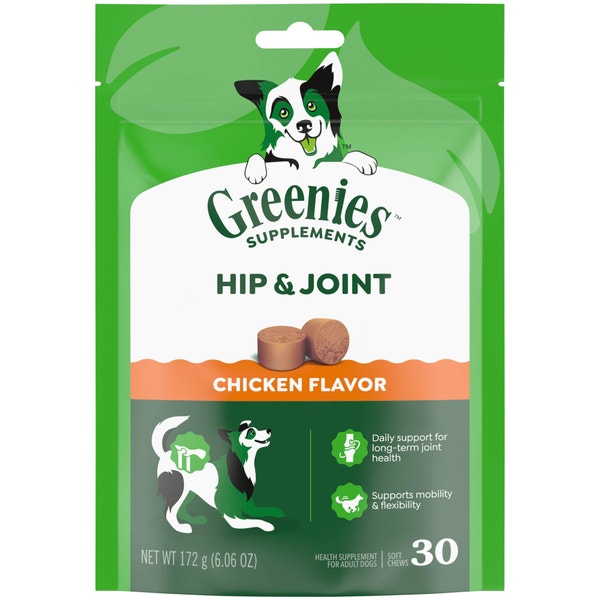
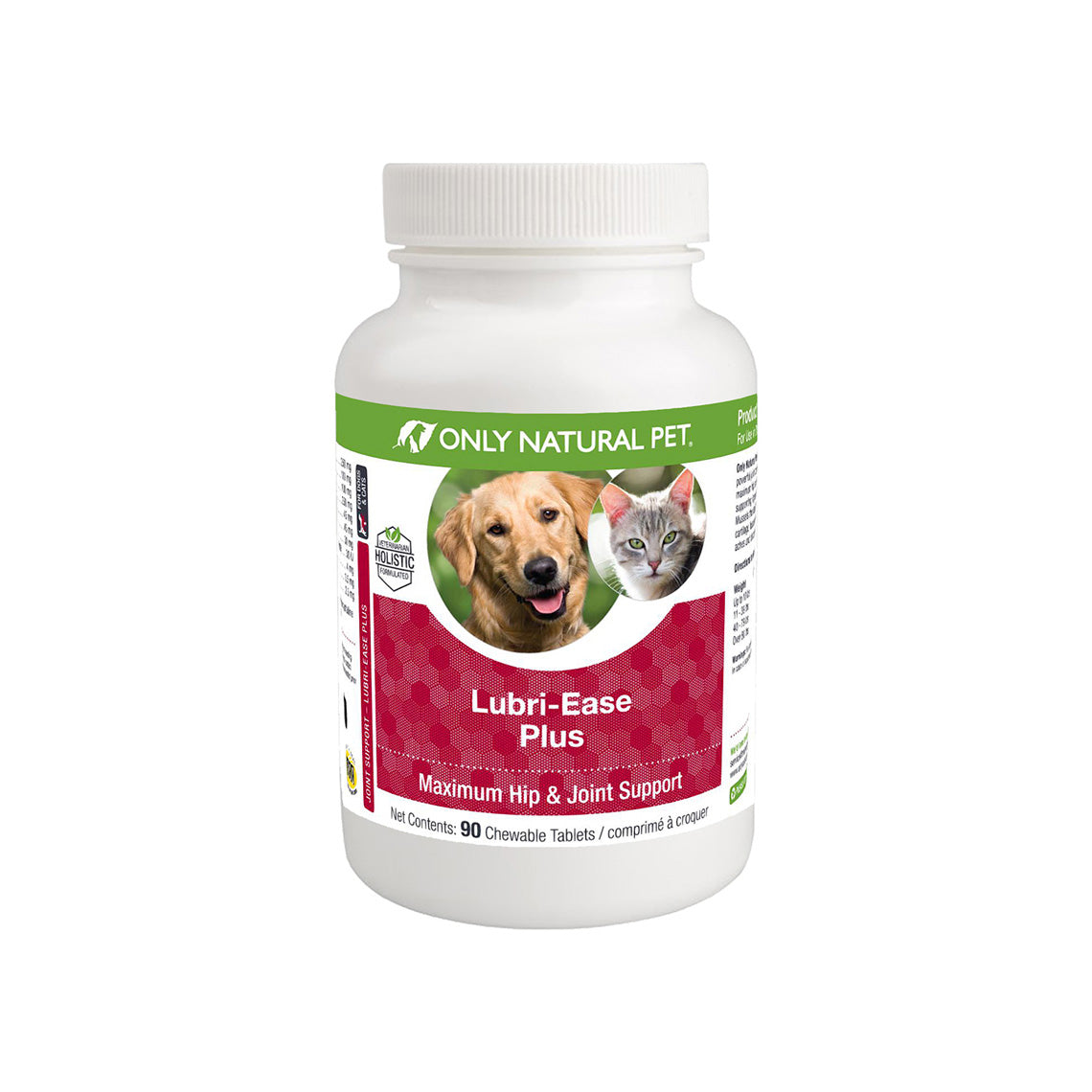
Post your dog's report card and challenge friends to check their food.
Frequently Asked Questions
Has JustFoodForDogs ever been recalled?
We have no recalls on record for JustFoodForDogs. We track the FDA's animal food recall listings back to January 2019 and publish every pet food recall automatically. A filing that isn't pet food may not appear here.
How does KibbleLab rate foods?
Our scores are based on ingredient composition, nutritional profile, AAFCO compliance, and health considerations. We don't penalize by-products, grains, or synthetic preservatives. Brands cannot pay for higher scores.
Is KibbleLab a substitute for veterinary advice?
No. KibbleLab provides data-driven food analysis, not medical advice. Always consult your veterinarian before making dietary changes, especially for pets with health conditions.
KibbleLab provides informational content only. This is not veterinary advice. Always consult a qualified veterinarian before changing your pet's diet.
KibbleLab may earn affiliate commissions through product links. No one can pay for a higher score, or to change what we recommend for your pet.
Product data sourced from manufacturer websites, AAFCO statements, and FDA recall listings. Last verified dates reflect our most recent data check. We track the FDA's animal food recall listings back to January 2019 and publish every pet food recall automatically. A filing that isn't pet food may not appear here.

 Continue with Google
 Continue with Facebook