Echinacea
17 foods contain this ingredient
This is an alphabetical list, not a ranking. Add KL+ to rank foods for your pet in the Food Finder.
About Echinacea
Echinacea is a purple coneflower extract included in some pet supplements to support the immune system, not to supply nutrients.
Echinacea is a botanical (herbal) ingredient used in pet supplements and some specialty diets as an immune-supportive additive, promoted for potential anti-inflammatory and antioxidant effects rather than as a nutrient source. Scientific evidence in dogs and cats is limited and mixed, and use carries risks such as allergic reactions, gastrointestinal upset, interactions with immunosuppressive drugs, and variable product quality, so consult your veterinarian before giving echinacea—especially for pets that are pregnant, nursing, or have autoimmune disease.
Related ingredients
- Derived from
- Echinacea purpurea or Echinacea angustifolia plant (purple coneflower)
- Primary role
- immune-support botanical additive
Why it's used
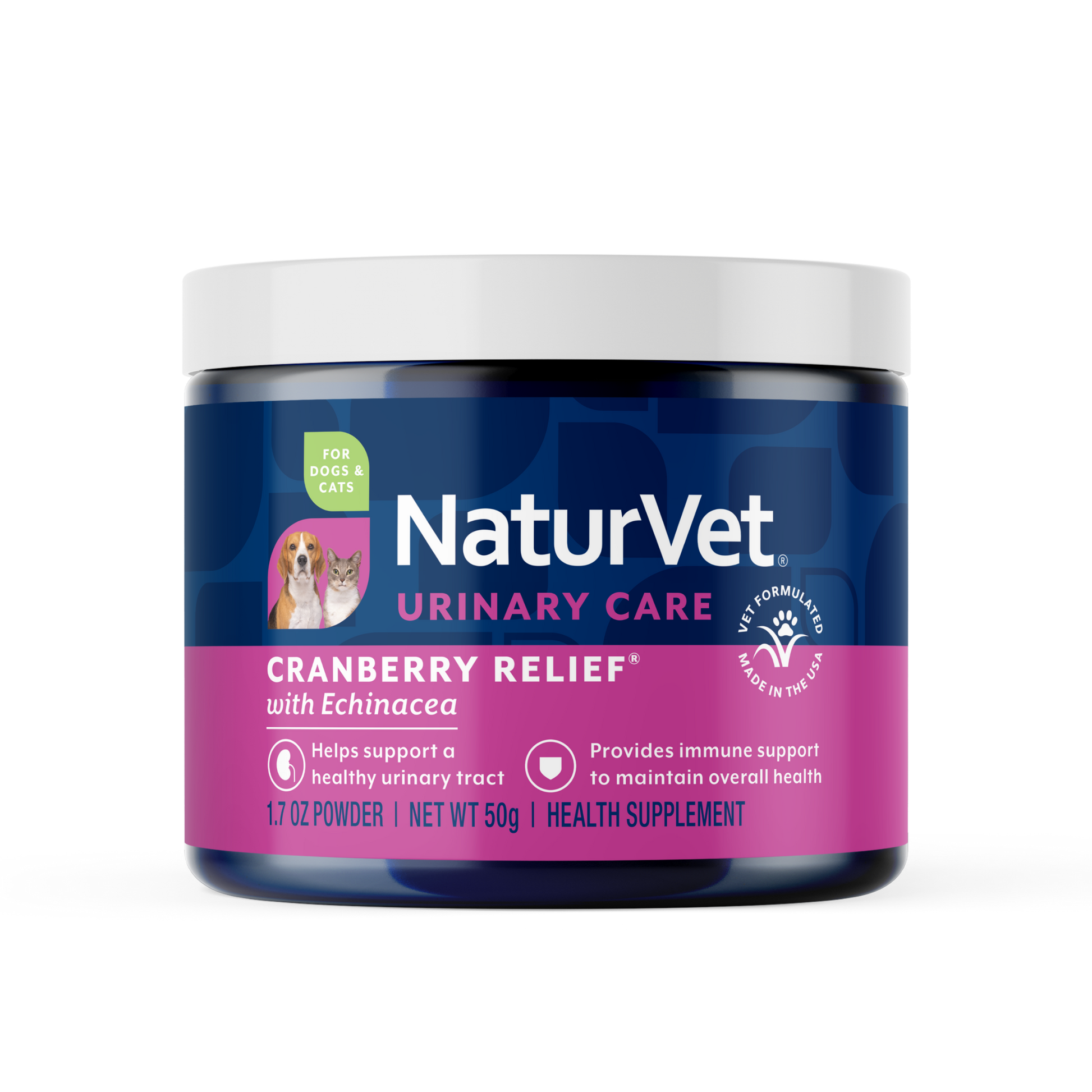
It is included in supplement formulas marketed toward immune support and shortening the course of upper respiratory signs, available as powders, chews, capsules, or liquids dosed according to the product label. One small veterinary trial in dogs with chronic and seasonal upper respiratory tract infections reported improvement in most treated dogs after four weeks, though broader clinical evidence in companion animals remains limited.
Common concerns
- Effect onset and monitoring VCA Animal Hospitals notes echinacea may take several days to show an effect and that improvement is not always outwardly noticeable, so owners are advised to watch for changes and follow up with their veterinarian.
- Sensitivities with repeated use Although no side effects are consistently documented, high doses may cause gastrointestinal upset, and sensitivities can develop over time with repeated exposure.
- Drug interactions VCA advises caution when echinacea is combined with certain antidepressants such as mirtazapine, and with immunosuppressant drugs including chemotherapy agents and cyclosporine.
- Autoimmune disease, pregnancy, and nursing Veterinary guidance calls for caution in pets with autoimmune disorders and in pregnant or nursing animals.
Also relevant
Because the FDA does not review herbal supplements for effectiveness before sale, product quality and potency can vary between manufacturers.
Common Questions
What category is Echinacea?
Echinacea is categorized as a herb ingredient in the KibbleLab database.
Is Echinacea part of an allergen group?
No allergen group is linked to Echinacea in the KibbleLab database.
Which foods contain Echinacea?
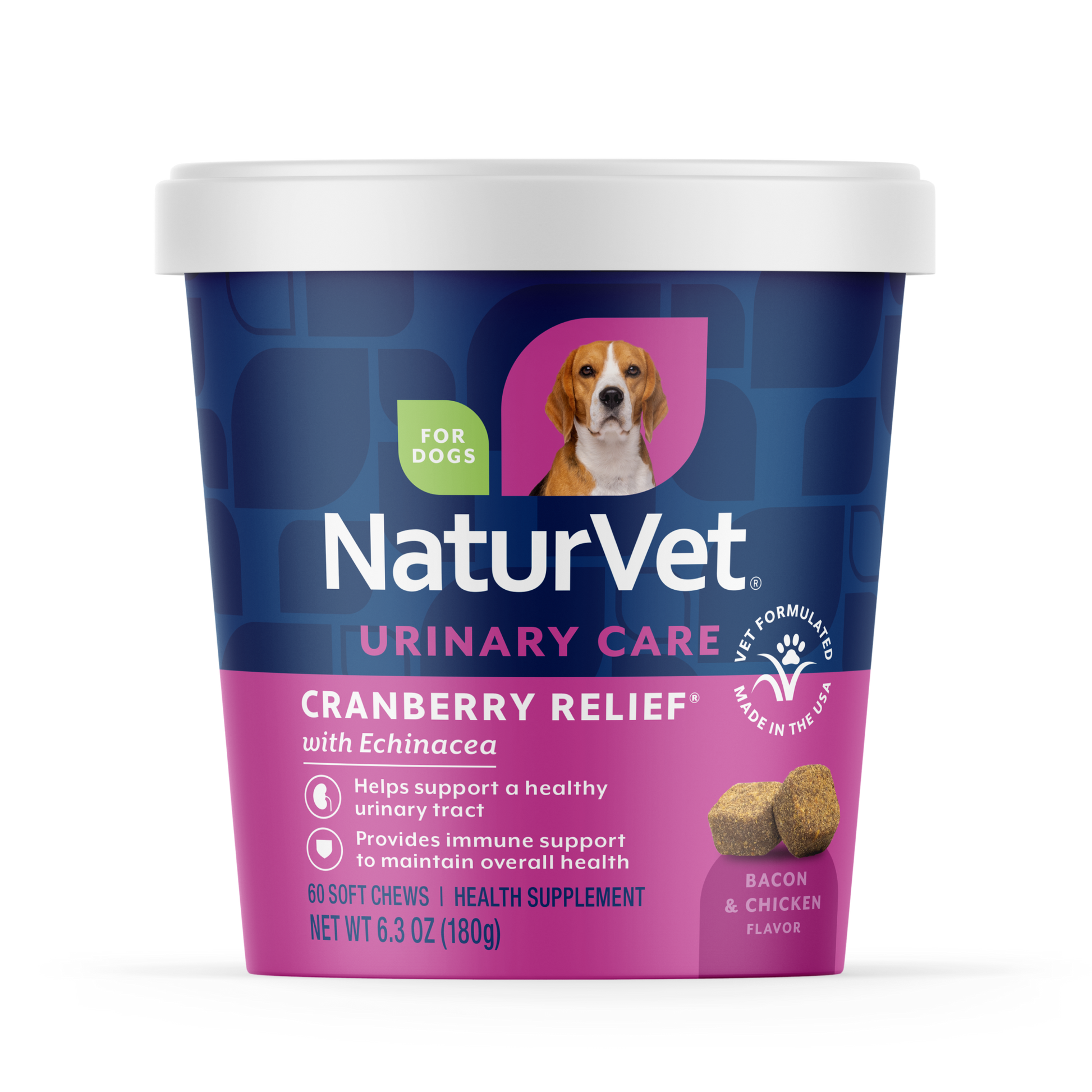
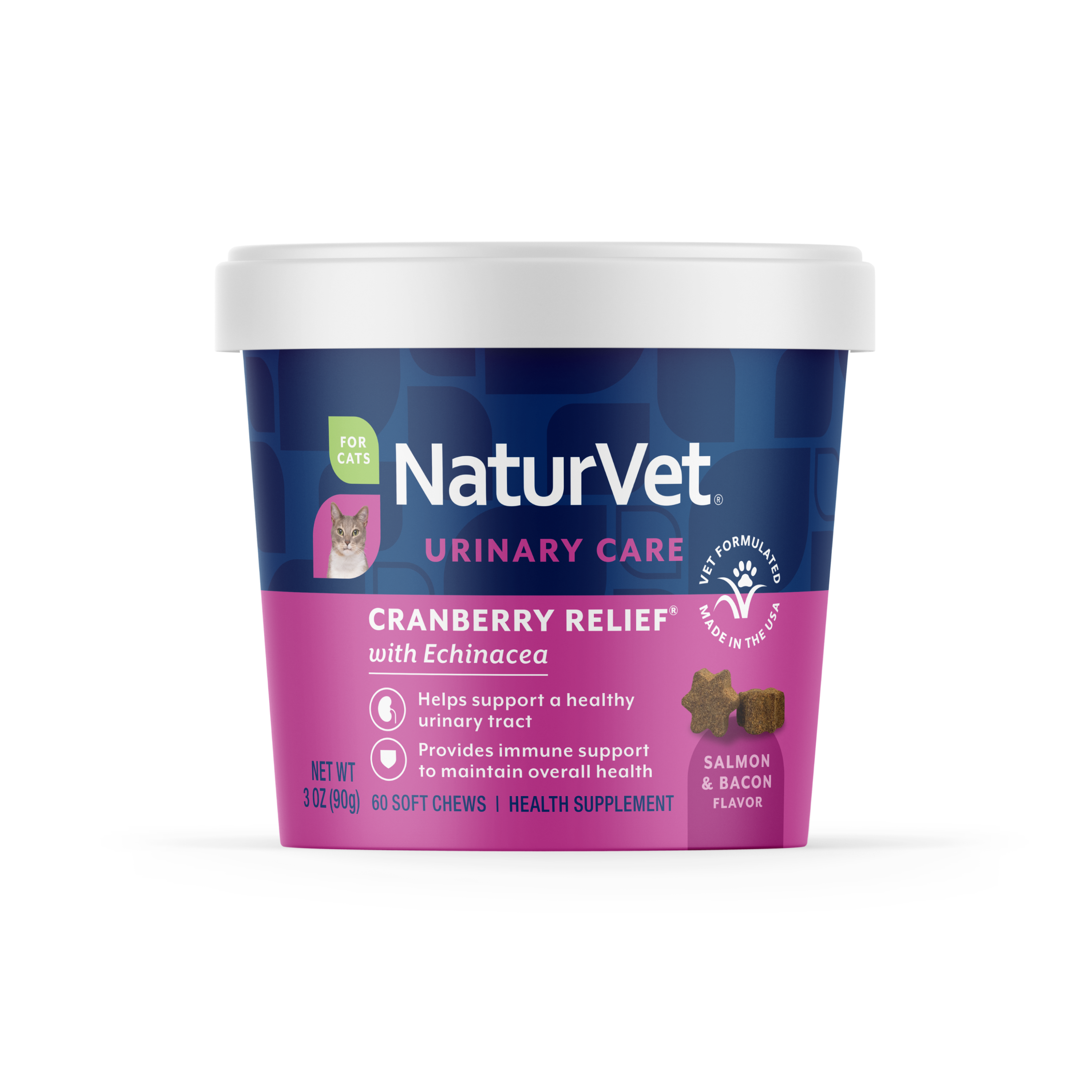
17 foods in the KibbleLab database contain Echinacea, including Earth Animal, Fera Pets, Forza10.
Foods with Echinacea
Alphabetical by brand. Scores run 0 to 10, higher is better, on published veterinary science.




Find the right food for your pet
Sign in free to sort and filter by score, and avoid or require Echinacea in the Food Finder. Add KL+ to see these foods ranked for your pet's breed, age, and health focus.

 Continue with Google
 Continue with Facebook