Mackerel
125 foods contain this ingredient
This is an alphabetical list, not a ranking. Add KL+ to rank foods for your pet in the Food Finder.
About Mackerel
Mackerel is an oily marine fish added to pet food to supply animal protein and natural EPA and DHA omega-3 fatty acids.
Mackerel is a fatty fish commonly used in pet foods as a high‑quality animal protein and a rich source of omega‑3 fatty acids (EPA and DHA), often added for flavor, palatability and healthy fats. Its omega‑3s support skin and coat condition, immune and joint health in dogs and cats, but owners should be aware of potential heavy‑metal accumulation, food sensitivities, and higher fat or sodium in some preparations, so choose properly processed, deboned sources from reputable suppliers.
Related ingredients
- Derived from
- whole fish or fish meal from mackerel species
- Primary role
- protein and omega-3 fatty acid source
Why it's used
As a fatty fish, mackerel concentrates EPA and DHA without needing added fish oil, while its strong aroma also boosts palatability in wet foods and treats. Smaller, shorter-lived species such as Atlantic or Pacific chub mackerel are generally preferred by formulators over large predatory mackerel species.
Common concerns
- Mercury and heavy metals Large predatory mackerel species (such as king or Spanish mackerel) accumulate more mercury and other heavy metals than smaller, shorter-lived mackerel species, and neither AAFCO nor the NRC has set a specific upper limit for mercury in pet food.
- Histamine formation As an oily fish, mackerel can develop histamine (scombrotoxin) if it is not chilled quickly after catch, since the bacterial enzymes that produce histamine work fastest at warmer temperatures and the compound cannot be removed later by cooking or freezing.
- Fish allergy Fish is one of the more commonly reported food allergens in dogs and cats, so mackerel-based diets are sometimes avoided or introduced cautiously in pets with a known fish sensitivity.
Also relevant
Formulators generally favor smaller mackerel species and controlled sourcing partly to limit the contaminant and spoilage concerns described above.
3 sources cited
- EPA and DHA from fish act as anti-inflammatory agents supporting skin, joint, and overall health in dogs
- AAFCO and NRC have not established a specific upper limit for mercury in pet food
- Histamine (scombrotoxin) forms in fish through bacterial enzyme activity after death and cannot be removed by later cooking, freezing, or washing
Common Questions
What category is Mackerel?
Mackerel is categorized as a protein ingredient in the KibbleLab database.
Is Mackerel part of an allergen group?
Yes. Mackerel is grouped under the Fish allergen group in the KibbleLab database.
Which foods contain Mackerel?
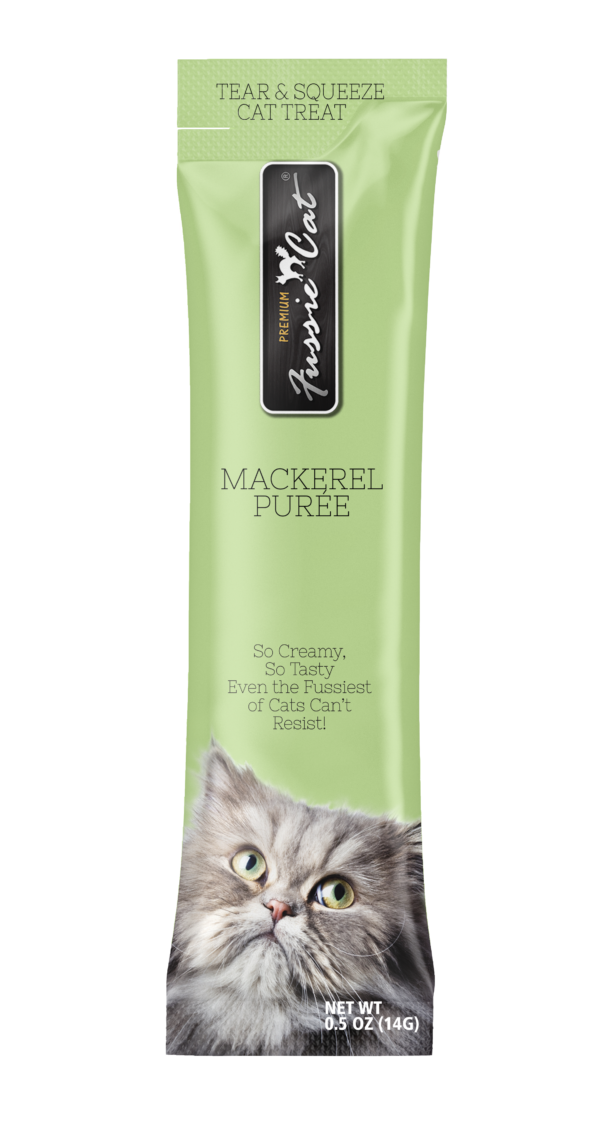
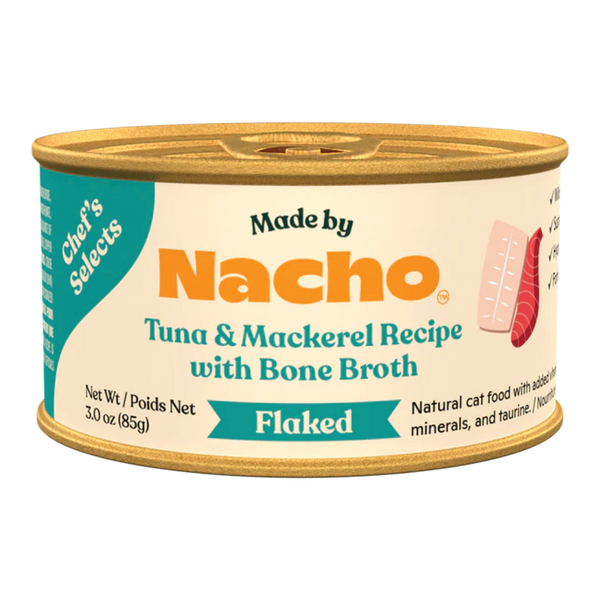
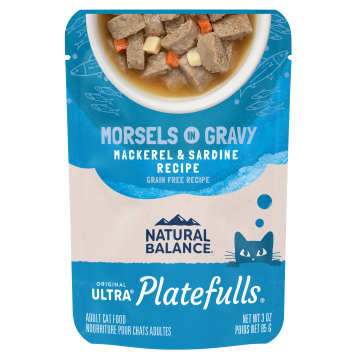
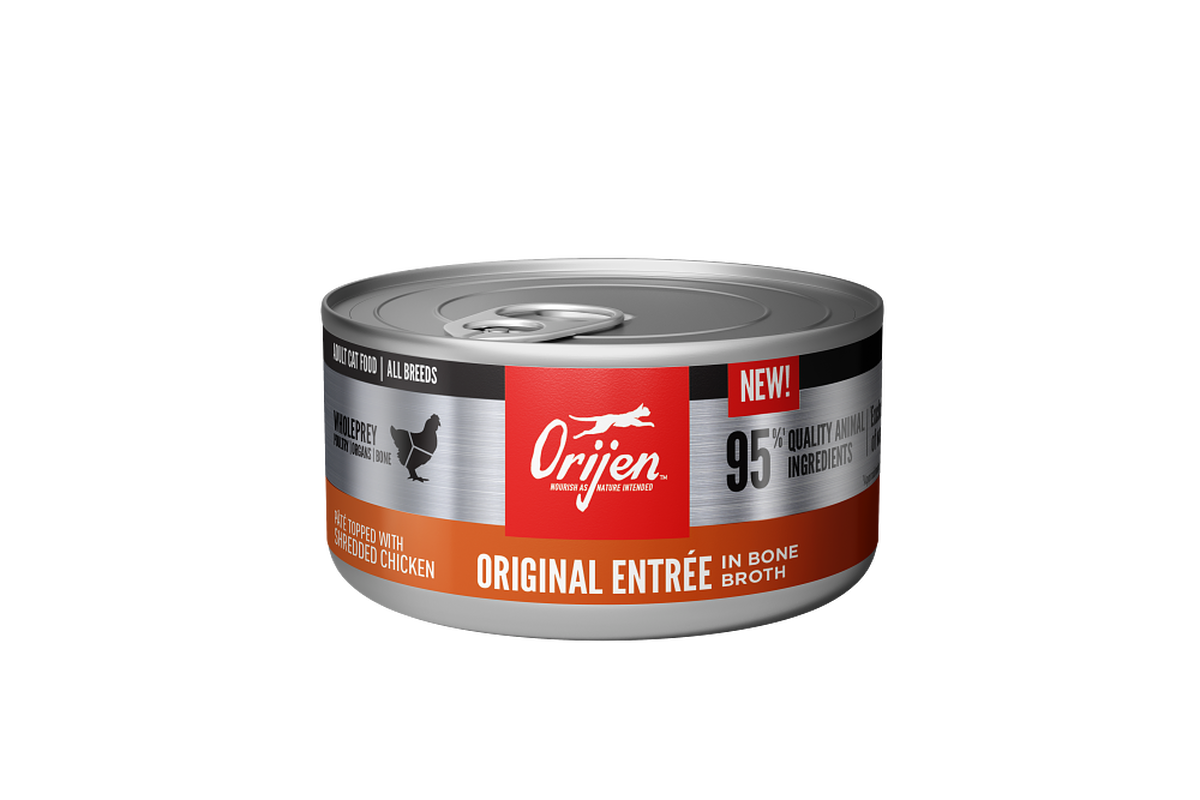
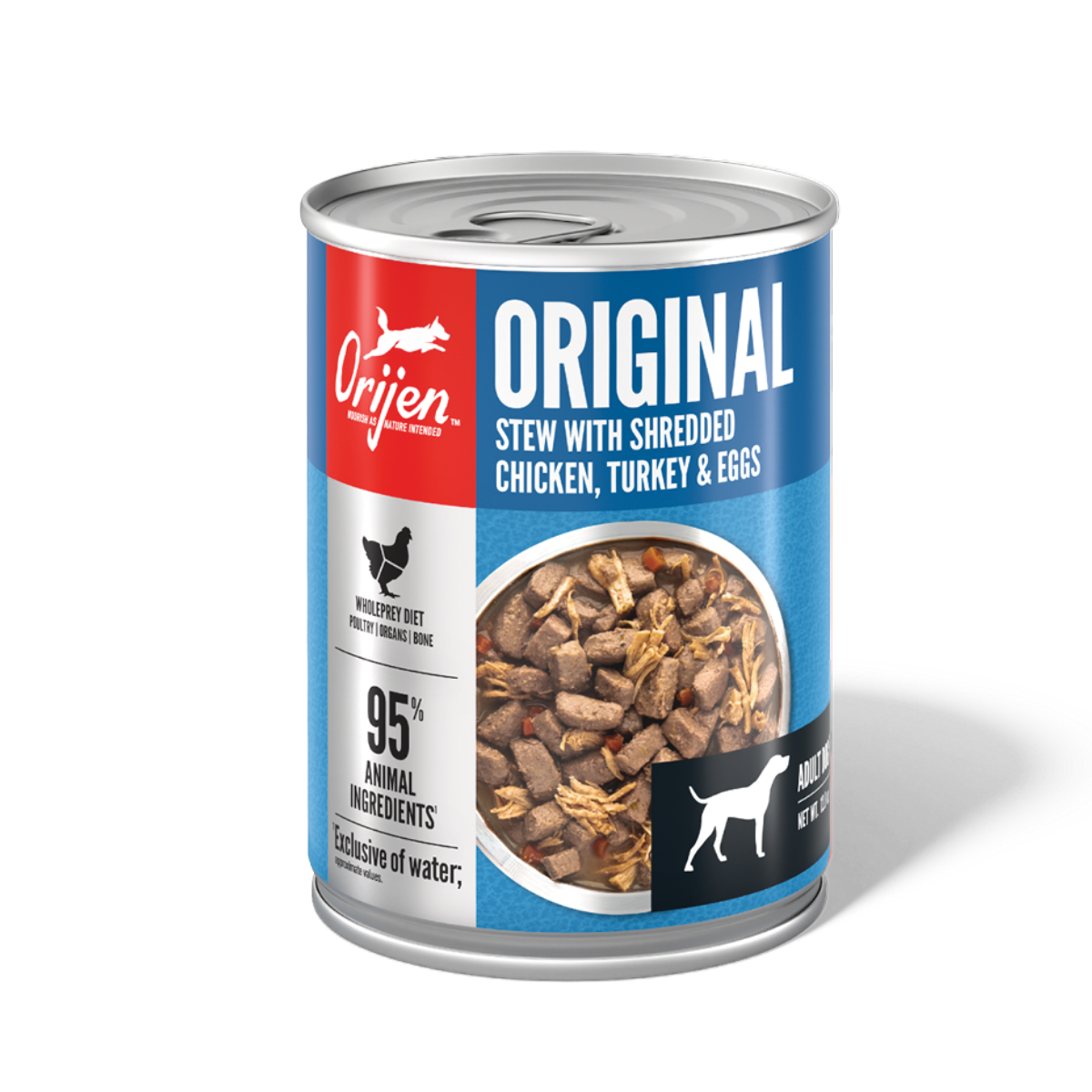
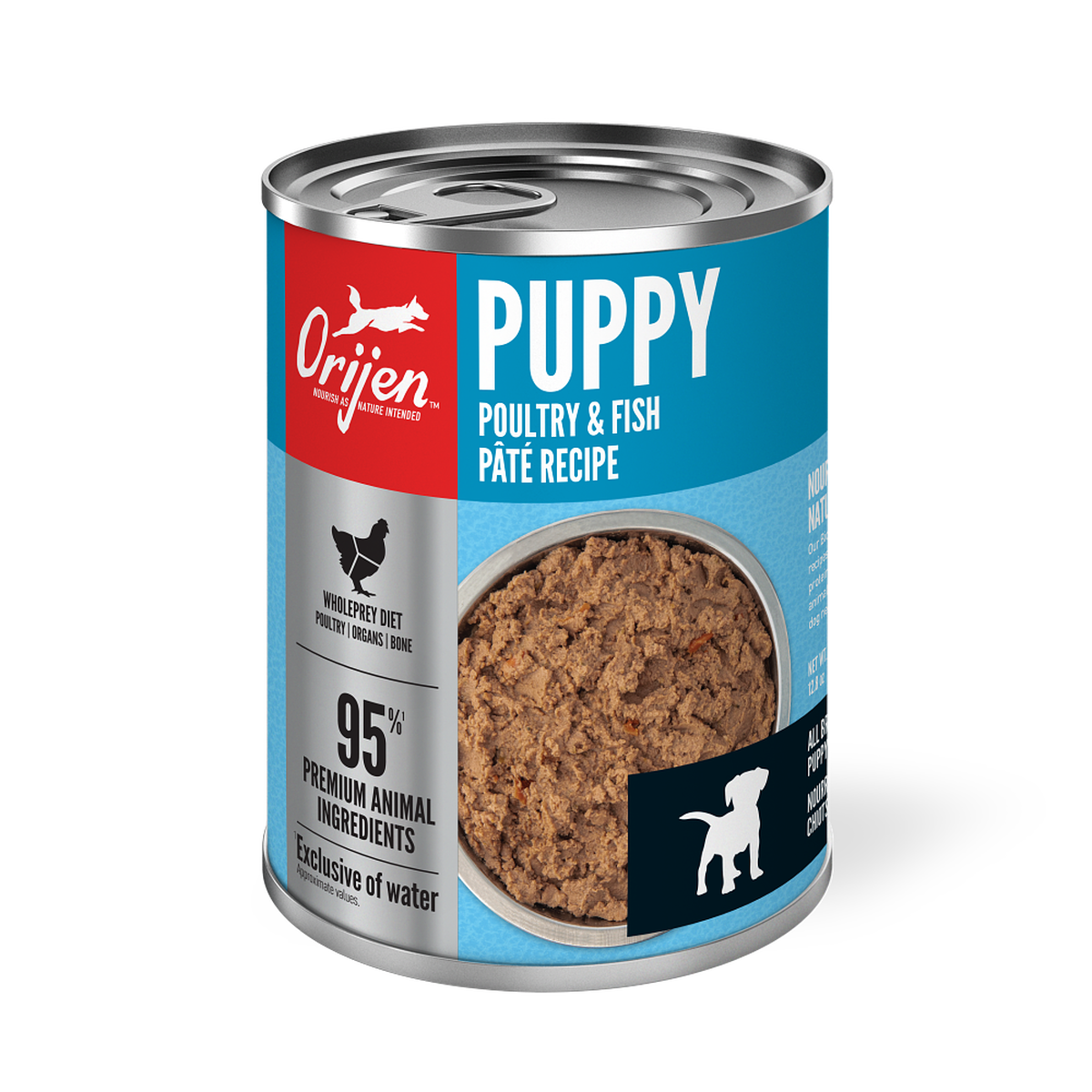
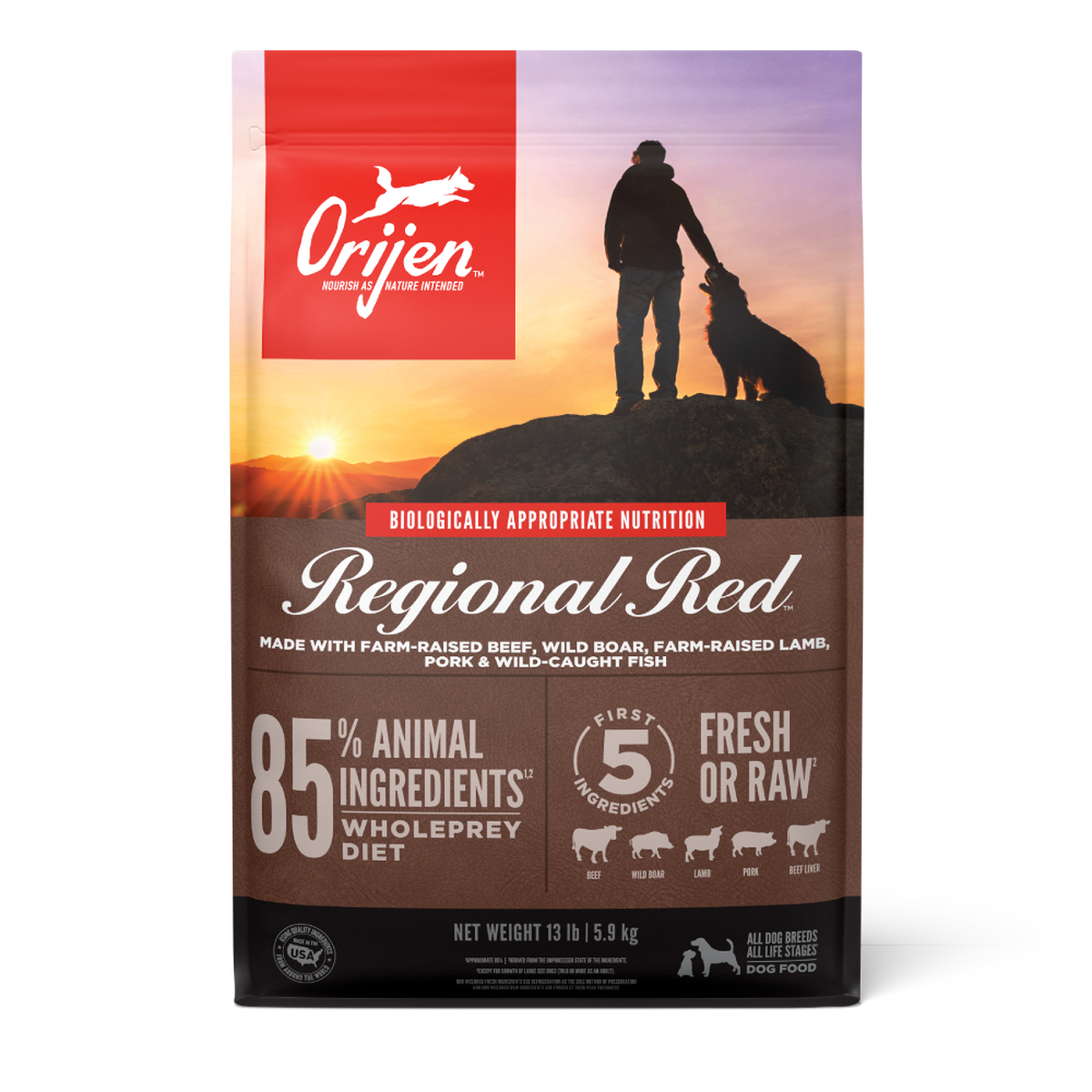
125 foods in the KibbleLab database contain Mackerel, including Fussie Cat, I and Love and You, Love Nala.
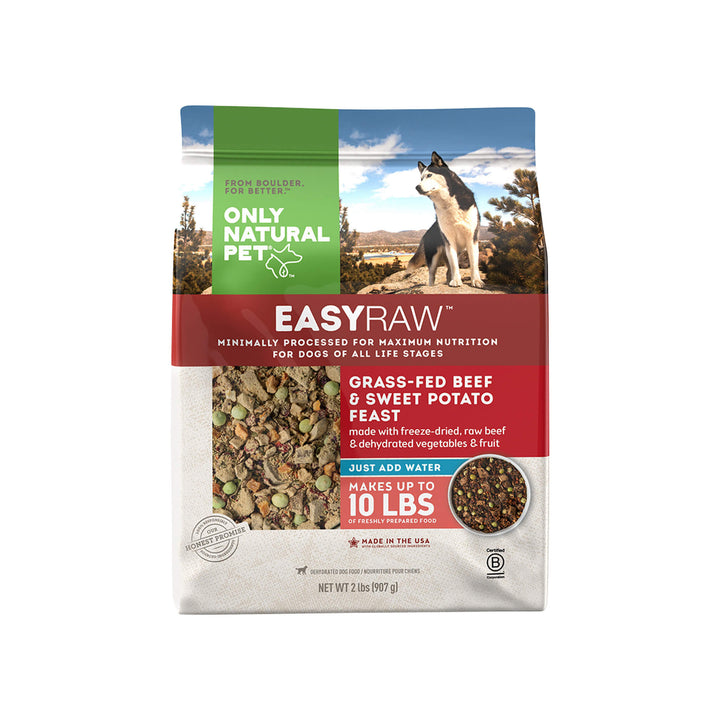
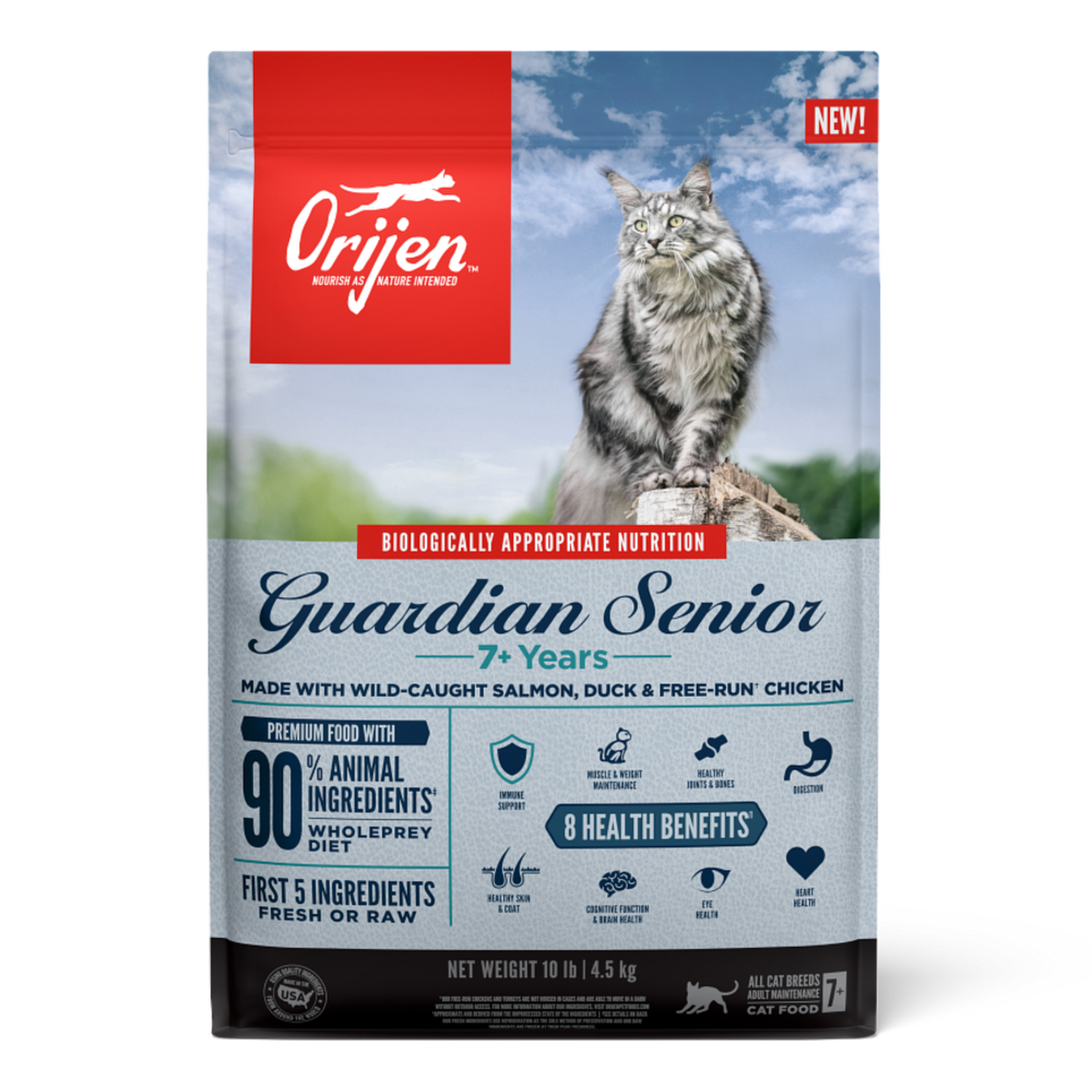
Foods with Mackerel
Alphabetical by brand. Scores run 0 to 10, higher is better, on published veterinary science.









.png?sw=1200)
Find the right food for your pet
Sign in free to sort and filter by score, and avoid or require Mackerel in the Food Finder. Add KL+ to see these foods ranked for your pet's breed, age, and health focus.

 Continue with Google
 Continue with Facebook