Blackberry
34 foods contain this ingredient
This is an alphabetical list, not a ranking. Add KL+ to rank foods for your pet in the Food Finder.
About Blackberry
Blackberry is a dark, low-calorie fruit sometimes added to pet foods or given as a treat for its fiber and antioxidant content.
Blackberries are used in pet foods primarily as a natural source of dietary fiber, vitamins (notably vitamin C and K) and antioxidant polyphenols (anthocyanins), contributing flavor, color and potential support for digestive health and oxidative stress reduction. They can be offered to dogs and, to a lesser extent, cats in small amounts, but because pets—especially obligate-carnivore cats—require mainly animal-based nutrition and excess fruit can add sugars, calories or cause gastrointestinal upset, berries should be included sparingly and be clean, appropriately sized to avoid choking and free of pesticide residues.
- Derived from
- whole blackberry fruit (fresh, frozen, or pureed)
- Primary role
- fiber and antioxidant source, natural flavor and color
Why it's used
Blackberries carry one of the higher anthocyanin (polyphenol antioxidant) concentrations among common fruits, which formulators cite for their potential role in reducing oxidative stress. Their fiber and water content also make them a low-calorie way to add bulk, vitamin C, vitamin K, and manganese to a recipe or treat.
Common concerns
- Digestive upset Because blackberries are high in fiber, feeding more than a small amount can lead to loose stool, gas, or bloating in some dogs.
- Choking or blockage risk Whole berries can pose a choking hazard for small dogs or dogs that gulp food, so owners are generally advised to offer them cut up rather than whole.
- Limited value for cats As obligate carnivores, cats derive little nutritional benefit from fruit and may show less interest in or tolerance for plant sugars and fiber than dogs do.
Also relevant
Wild or unwashed blackberries can carry pesticide residue or mold, so produce intended for pets is generally recommended to be rinsed, farmed rather than foraged, and introduced gradually; a veterinarian can advise on amounts appropriate for an individual pet.
3 sources cited
- Anthocyanin antioxidant content and general nutrient profile (vitamin C, K, fiber) of blackberries for dogs
- High fiber content of blackberries can cause digestive upset, gas, or bloating if overfed
- Cats are obligate carnivores with limited physiological need for or benefit from fruit and plant matter
Common Questions
What category is Blackberry?
Blackberry is categorized as a fruit ingredient in the KibbleLab database.
Is Blackberry part of an allergen group?
No allergen group is linked to Blackberry in the KibbleLab database.
Which foods contain Blackberry?
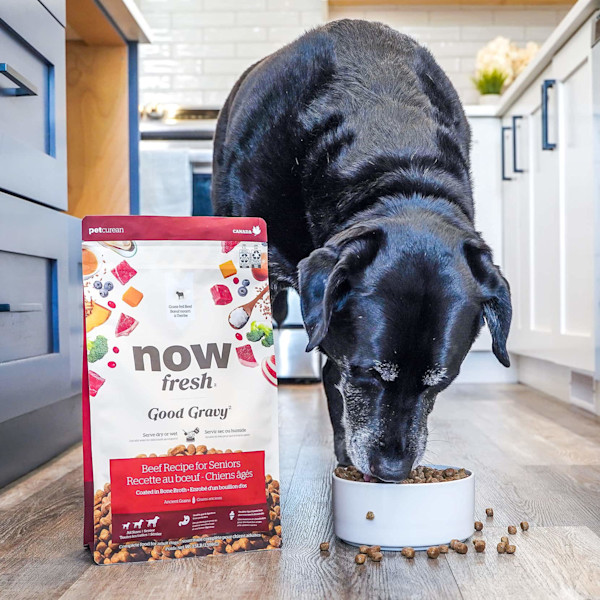
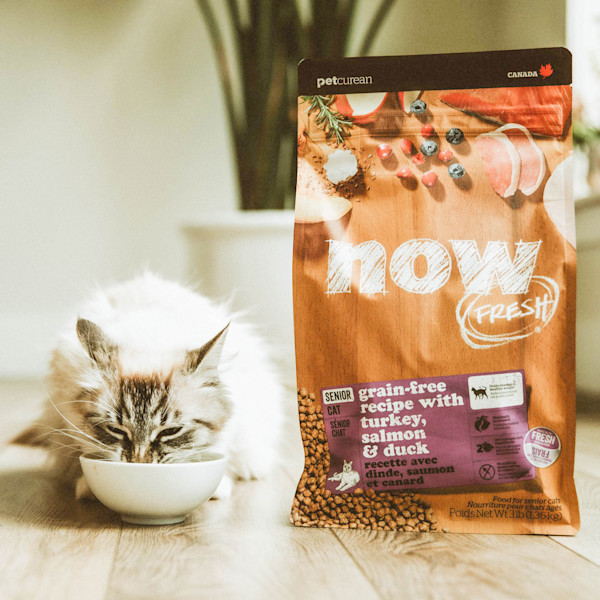
34 foods in the KibbleLab database contain Blackberry, including Now Fresh, Only Natural Pet, Ruff Greens.
Foods with Blackberry
Alphabetical by brand. Scores run 0 to 10, higher is better, on published veterinary science.






Find the right food for your pet
Sign in free to sort and filter by score, and avoid or require Blackberry in the Food Finder. Add KL+ to see these foods ranked for your pet's breed, age, and health focus.

 Continue with Google
 Continue with Facebook