Sweet Lupin
13 foods contain this ingredient
This is an alphabetical list, not a ranking. Add KL+ to rank foods for your pet in the Food Finder.
About Sweet Lupin
Sweet lupin is a low-alkaloid legume bred specifically so its seeds can be used as a plant protein and fiber ingredient in food.
Sweet lupin is a legume ingredient used in pet foods as a plant-based protein and concentrated source of fermentable fiber and low-glycemic carbohydrates, which can aid satiety and support gut health and weight management. It can be a useful protein/fiber complement for dogs but is not a complete animal-protein replacement for obligate carnivores like cats; manufacturers must properly process lupin to reduce anti-nutritional factors and be mindful of potential lupin/legume allergies and variability in alkaloid content.
- Derived from
- seeds of low-alkaloid (sweet) Lupinus varieties, bred down from bitter wild lupin
- Primary role
- plant protein and fermentable fiber source
Why it's used
Sweet lupin varieties were selectively bred over decades to carry far less quinolizidine alkaloid than wild bitter lupin, which is what makes them usable as a food ingredient at all. In formulations they function as a concentrated plant protein and fiber source that can add bulk and fermentable substrate for gut bacteria alongside other protein sources.
Common concerns
- Residual alkaloid variability Even sweet lupin varieties retain some quinolizidine alkaloids, and a 2019 EFSA scientific opinion found the toxicology data for non-fish livestock and companion animals too limited to set a firm exposure threshold, while EU feed rules cap bitter-seed contamination at 5 percent in sweet lupin batches.
- Cross-reactivity with peanut and other legume allergies Lupin is in the same plant family as peanut, and human allergy literature documents cross-reactivity between lupin and peanut or other legume sensitivities, a pattern that informs why lupin is called out separately as an allergen group.
- Processing dependency Soaking and cooking are the traditional steps used to reduce alkaloid content further, so how a manufacturer sources and processes the raw seed affects the final alkaloid load in a finished product.
3 sources cited
- Sweet lupin varieties were bred for reduced alkaloid content compared to bitter lupin, and alkaloid levels vary by variety and processing
- EFSA opinion found insufficient toxicity data to set NOAEL/LOAEL thresholds for non-fish livestock and companion animals, and only sweet lupins with 5 percent or less bitter seed are permitted in feed
- Lupin shares allergen cross-reactivity potential with peanut and other legumes
Common Questions
What category is Sweet Lupin?
Sweet Lupin is categorized as a vegetable ingredient in the KibbleLab database.
Is Sweet Lupin part of an allergen group?
Yes. Sweet Lupin is grouped under the Legumes allergen group in the KibbleLab database.
Which foods contain Sweet Lupin?
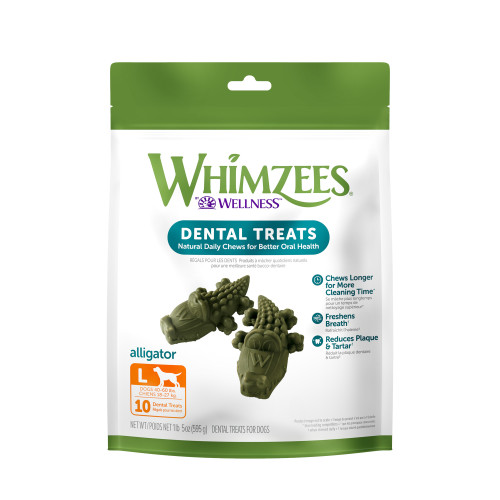
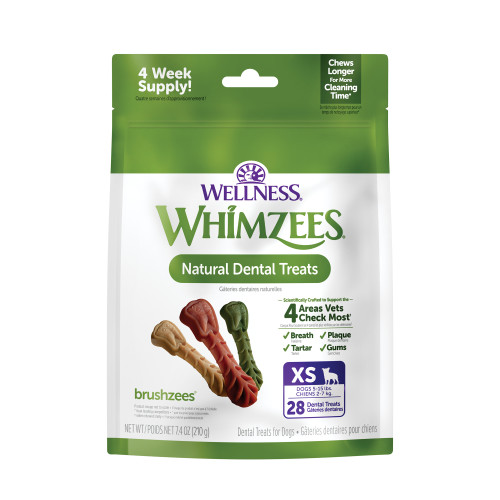
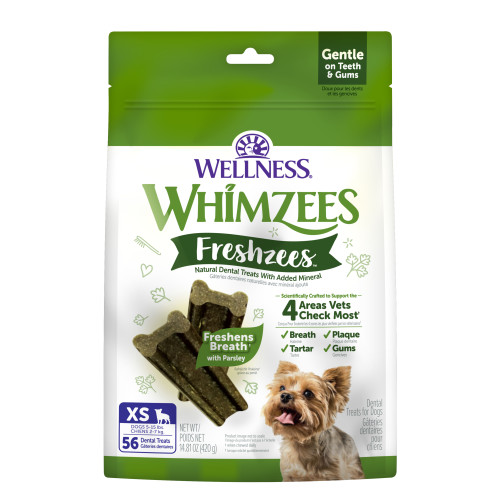
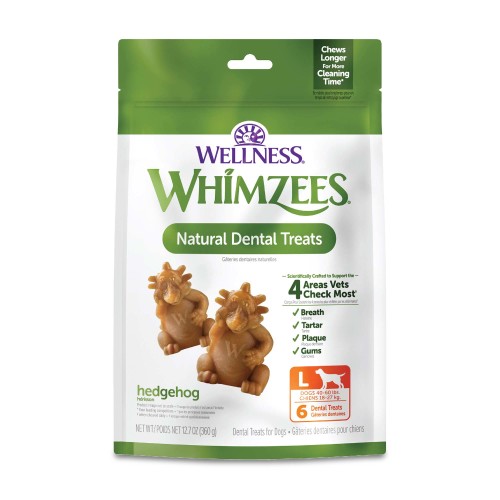
13 foods in the KibbleLab database contain Sweet Lupin, including Whimzees.
Foods with Sweet Lupin
Alphabetical by brand. Scores run 0 to 10, higher is better, on published veterinary science.









Find the right food for your pet
Sign in free to sort and filter by score, and avoid or require Sweet Lupin in the Food Finder. Add KL+ to see these foods ranked for your pet's breed, age, and health focus.

 Continue with Google
 Continue with Facebook