Carrot
2,215 foods contain this ingredient
This is an alphabetical list, not a ranking. Add KL+ to rank foods for your pet in the Food Finder.
About Carrot
Carrot is a root vegetable added to pet food and treats mainly for its fiber, natural sweetness and orange-red beta-carotene pigment.
Carrot is used in pet foods as a vegetable ingredient providing fiber, moisture, texture and antioxidant nutrients such as beta‑carotene (a provitamin A), vitamin K, vitamin C and potassium, contributing to palatability and digestive bulk. Cooked carrots are more digestible and release more beta‑carotene, but cats cannot efficiently convert beta‑carotene to active vitamin A so carrots are more nutritionally useful for dogs than as a primary vitamin A source for cats; they should be fed in moderation due to natural sugars and should be offered in appropriately sized pieces to avoid choking.
Related ingredients
- Derived from
- root vegetable (Daucus carota)
- Primary role
- fiber and beta-carotene source
Why it's used
Carrot adds low-calorie bulk and a mild sweetness that many dogs and cats find palatable, and its bright color is sometimes used to visually differentiate kibble or treat pieces. Its fiber content can also help support normal stool formation as part of a balanced diet.
Common concerns
- Species difference in vitamin A conversion Research shows dogs possess the intestinal enzyme needed to cleave beta-carotene into retinol, while cats absorb beta-carotene into their bloodstream but convert little to none of it into active vitamin A, so cats depend on preformed vitamin A from animal tissue rather than on carotenoid vegetables.
- Natural sugar content Carrot contains natural sugars, so veterinary sources generally suggest feeding it in moderation for pets that are overweight or managing diabetes, similar to guidance for other starchy or sugar-containing vegetables.
Also relevant
Carrot is not one of the common pet food allergens identified in veterinary dermatology literature, which more frequently implicates animal proteins.
3 sources cited
- Dogs convert beta-carotene to vitamin A via intestinal dioxygenase enzyme, while cats absorb but do not meaningfully convert it
- Domestic cats absorb beta-carotene into peripheral blood but convert little to no measurable amount to retinol
- Vitamin A toxicosis in dogs is attributed to preformed vitamin A sources such as raw liver or supplements, not to carotenoid vegetables
Common Questions
What category is Carrot?
Carrot is categorized as a vegetable ingredient in the KibbleLab database.
Is Carrot part of an allergen group?
No allergen group is linked to Carrot in the KibbleLab database.
Which foods contain Carrot?
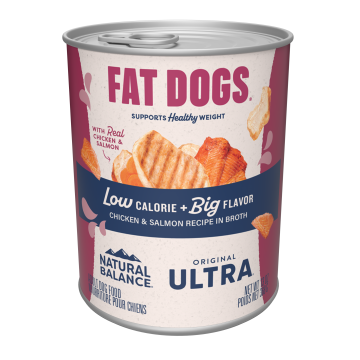
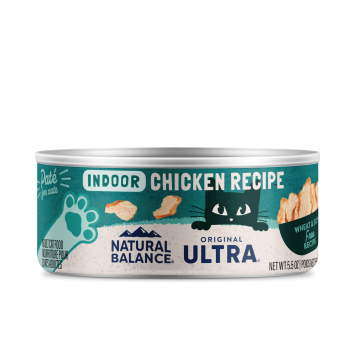
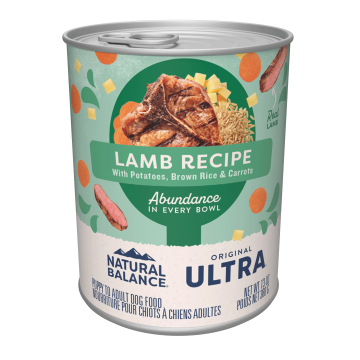
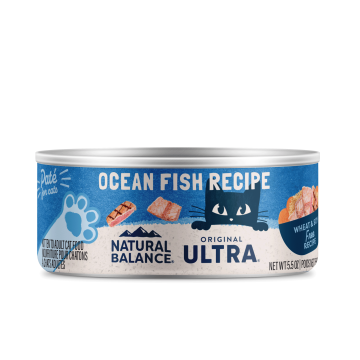
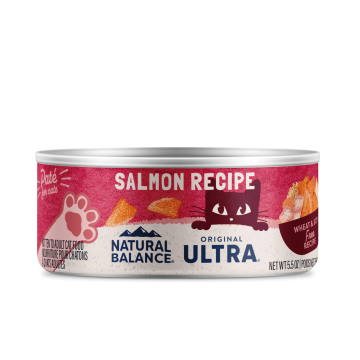
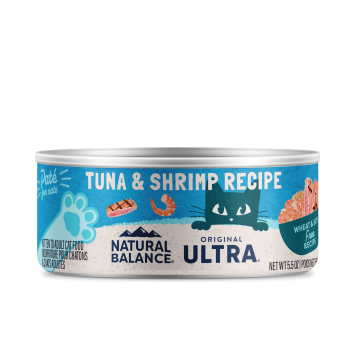
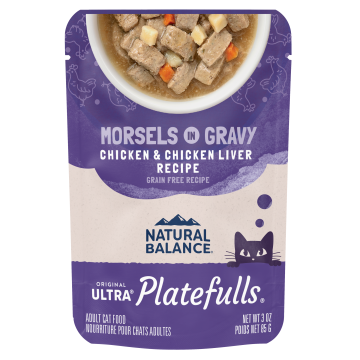
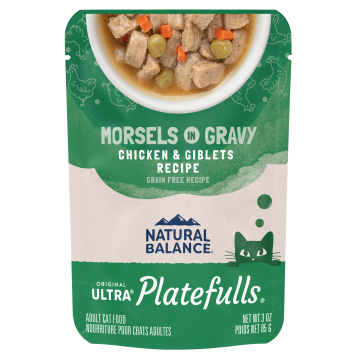
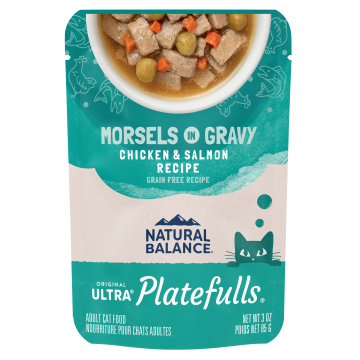
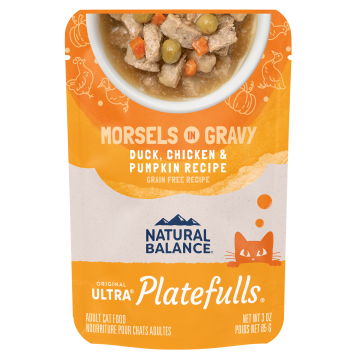
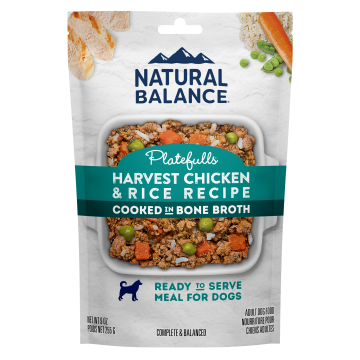
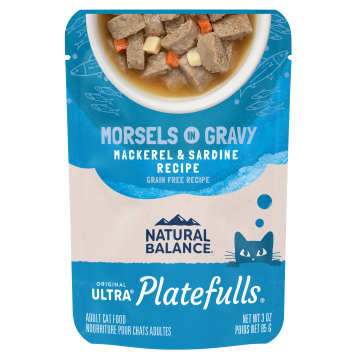
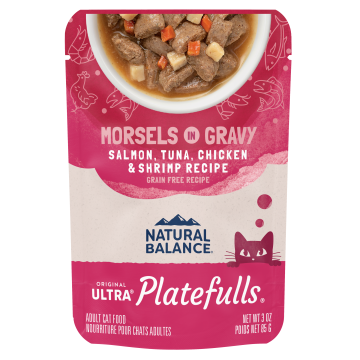
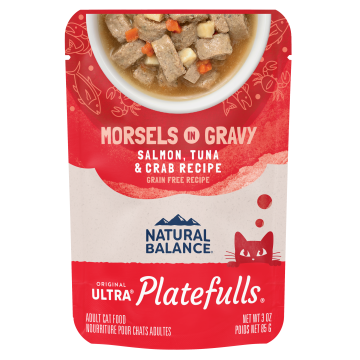
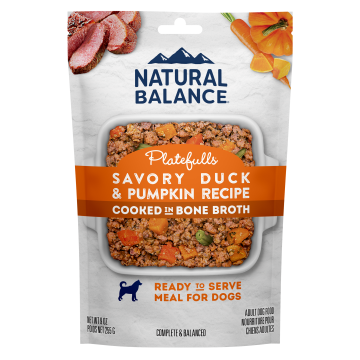
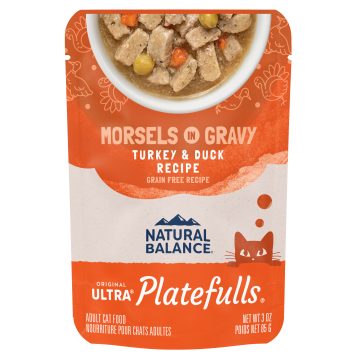
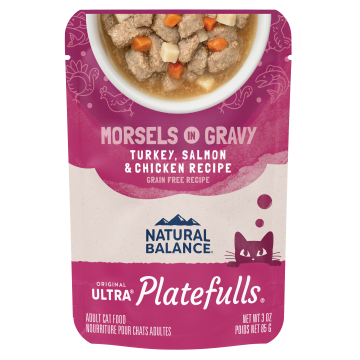
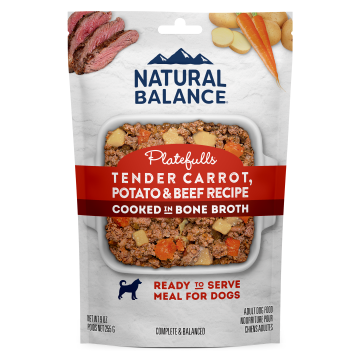
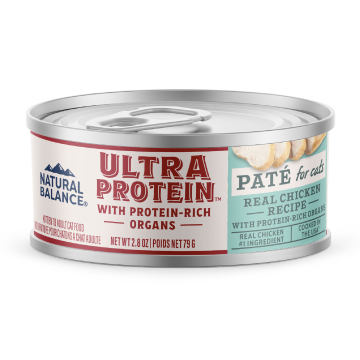
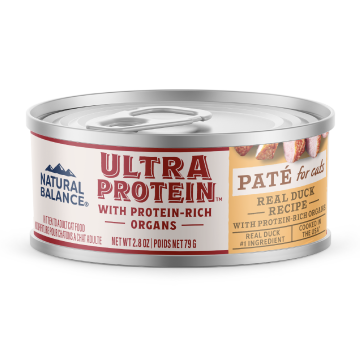
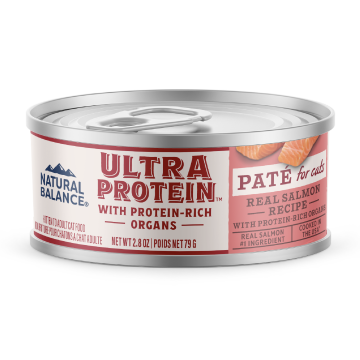
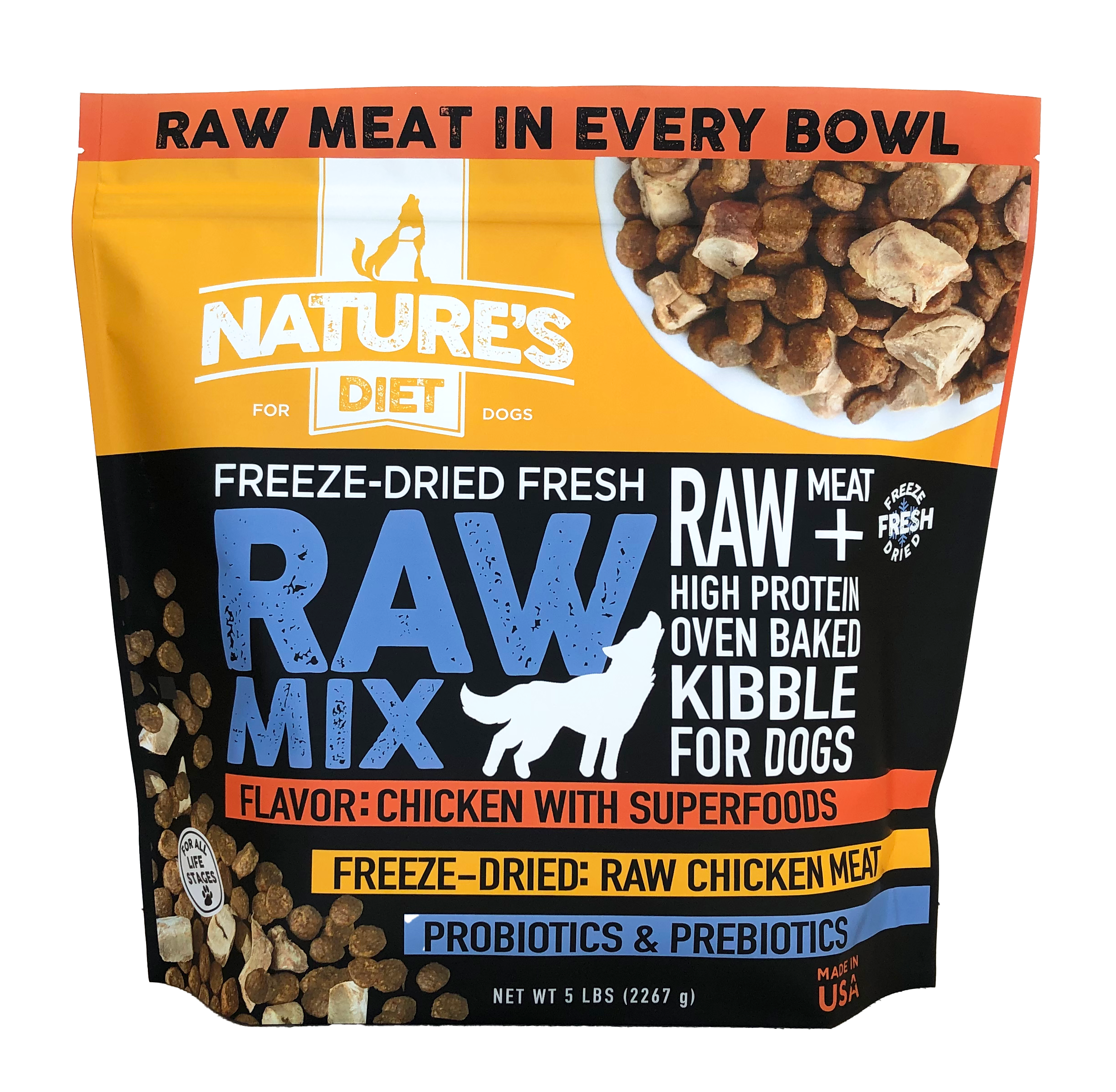
2,215 foods in the KibbleLab database contain Carrot, including Natural Balance, Nature's Diet, Nature's Farmacy.
Foods with Carrot
Alphabetical by brand. Scores run 0 to 10, higher is better, on published veterinary science.



Find the right food for your pet
Sign in free to sort and filter by score, and avoid or require Carrot in the Food Finder. Add KL+ to see these foods ranked for your pet's breed, age, and health focus.

 Continue with Google
 Continue with Facebook