Peanut
196 foods contain this ingredient
This is an alphabetical list, not a ranking. Add KL+ to rank foods for your pet in the Food Finder.
About Peanut
Peanut is a legume used in dog treats and some foods for its dense fat, protein, and palatability rather than as a core nutrient source.
Peanuts are used in pet foods and treats primarily as a palatability enhancer and concentrated source of plant-based protein, fats (mostly monounsaturated), calories, and small amounts of vitamins and minerals such as vitamin E and niacin. They can provide tasty, energy-dense nutrition but should be used sparingly because their high fat content can contribute to pancreatitis in susceptible dogs, they can be contaminated with aflatoxins, may contain added salt or toxic sweeteners like xylitol, and whole nuts or shells can cause choking or gastrointestinal obstruction—peanuts are not appropriate as a staple in cat diets.
Related ingredients
- Derived from
- legume (Arachis hypogaea), used whole, as peanut butter, or as flour/meal
- Primary role
- palatability enhancer and energy-dense protein/fat source in treats
Why it's used
Peanuts contribute concentrated calories, mostly unsaturated fat, plant protein, and small amounts of niacin and vitamin E, which makes them a popular flavor and texture addition in dog treats and peanut butter fillings for enrichment toys. Their strong aroma and taste also make them useful for masking the flavor of medication or supplements.
Common concerns
- Fat content and pancreatitis Peanuts and peanut butter are high in fat relative to a dog's typical diet, and high-fat treats are a documented consideration for dogs with a history of pancreatitis or fat-sensitive digestion.
- Aflatoxin contamination Peanuts are susceptible to Aspergillus mold contamination that produces aflatoxins, a documented cause of liver injury in dogs when contaminated feed or ingredients enter the supply chain, which is why sourcing and testing controls matter.
- Xylitol in some peanut butter products Certain peanut butter brands are sweetened with xylitol, an additive linked to rapid drops in blood sugar and liver injury in dogs, so ingredient labels on any peanut butter given to a dog need to be checked.
- Choking and obstruction from whole nuts or shells Whole peanuts and shells can pose a choking hazard or contribute to intestinal blockage, particularly in small dogs.
Also relevant
Peanut is a legume rather than a true tree nut, but it is not established as a routine ingredient in cat diets and is used almost exclusively in dog products.
3 sources cited
- Peanut/peanut kibble aflatoxin contamination is a documented source of mold-related liver toxin exposure in dogs
- Xylitol in peanut butter products causes rapid blood sugar drops and liver injury in dogs and reported poisoning cases have risen since 2007
- High-fat treats and foods are a recognized consideration for dogs prone to pancreatitis
Common Questions
What category is Peanut?
Peanut is categorized as a vegetable ingredient in the KibbleLab database.
Is Peanut part of an allergen group?
Yes. Peanut is grouped under the Legumes allergen group in the KibbleLab database.
Which foods contain Peanut?
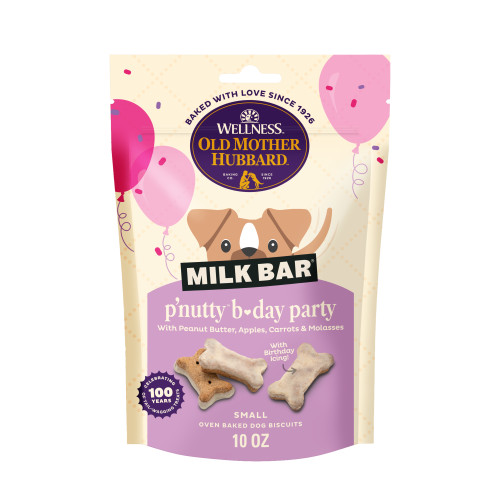
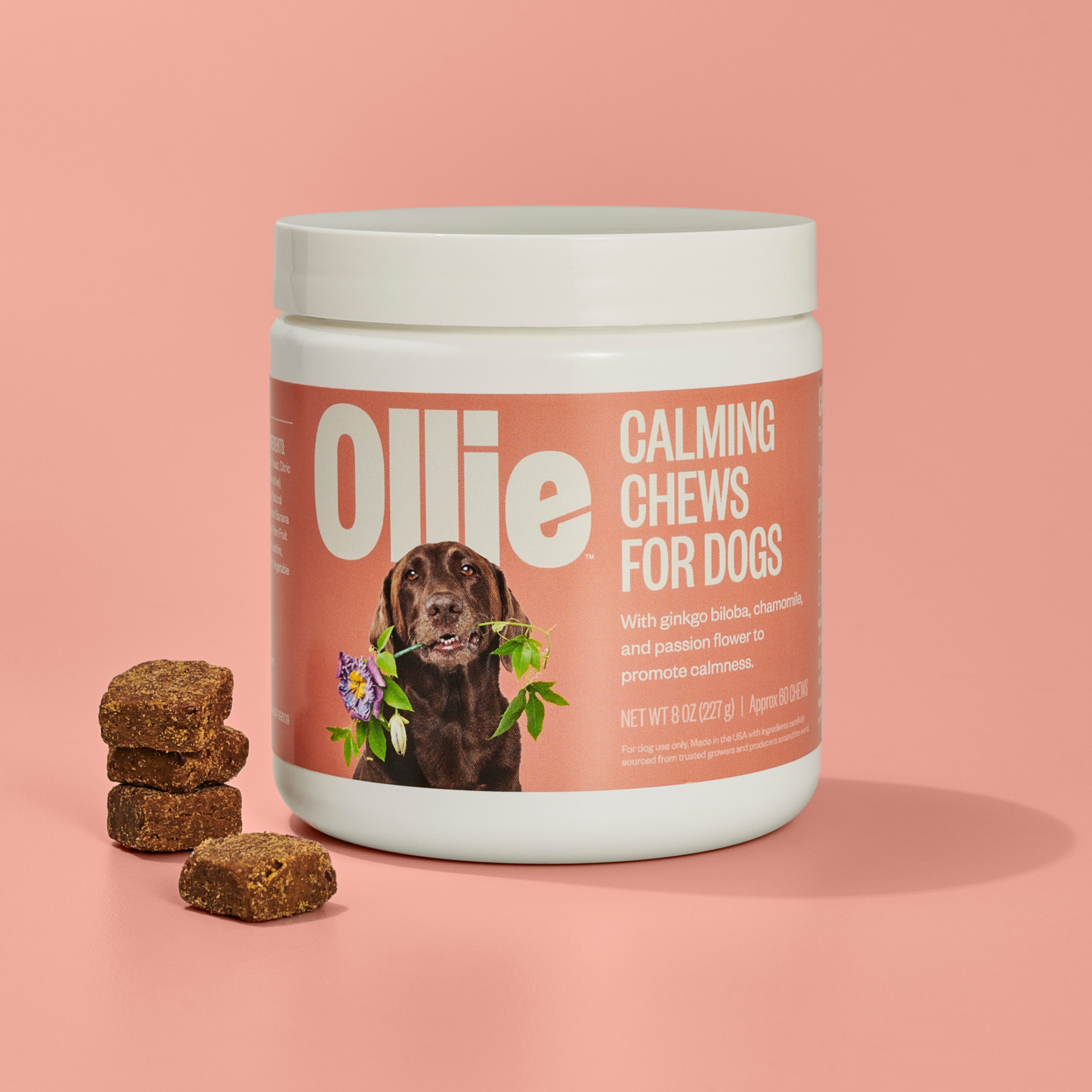
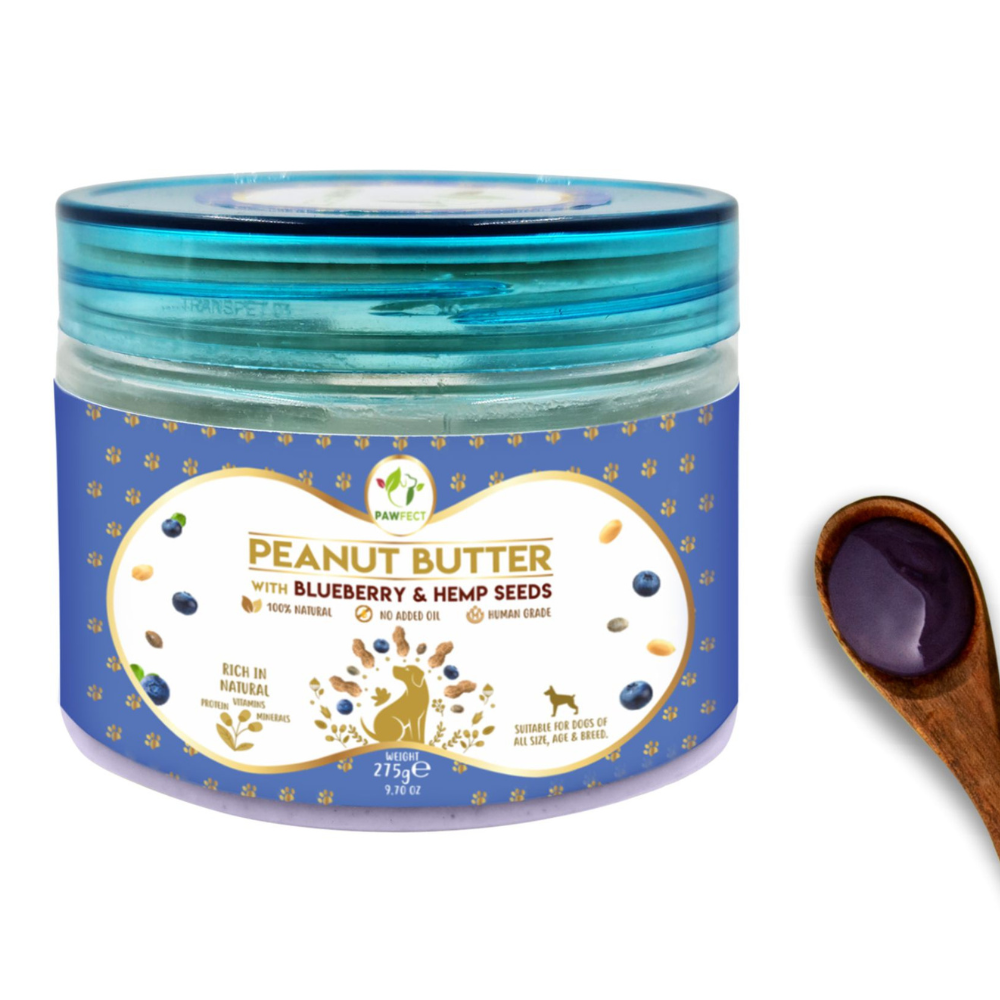
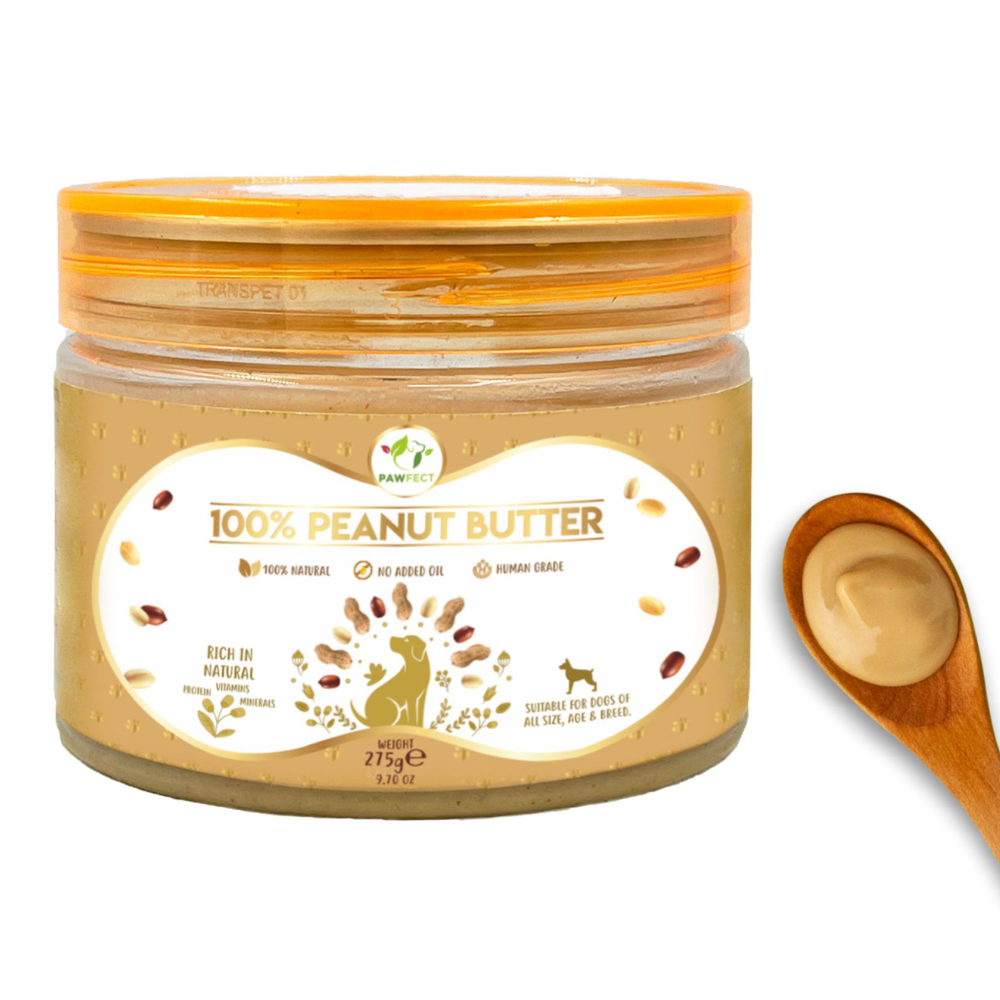
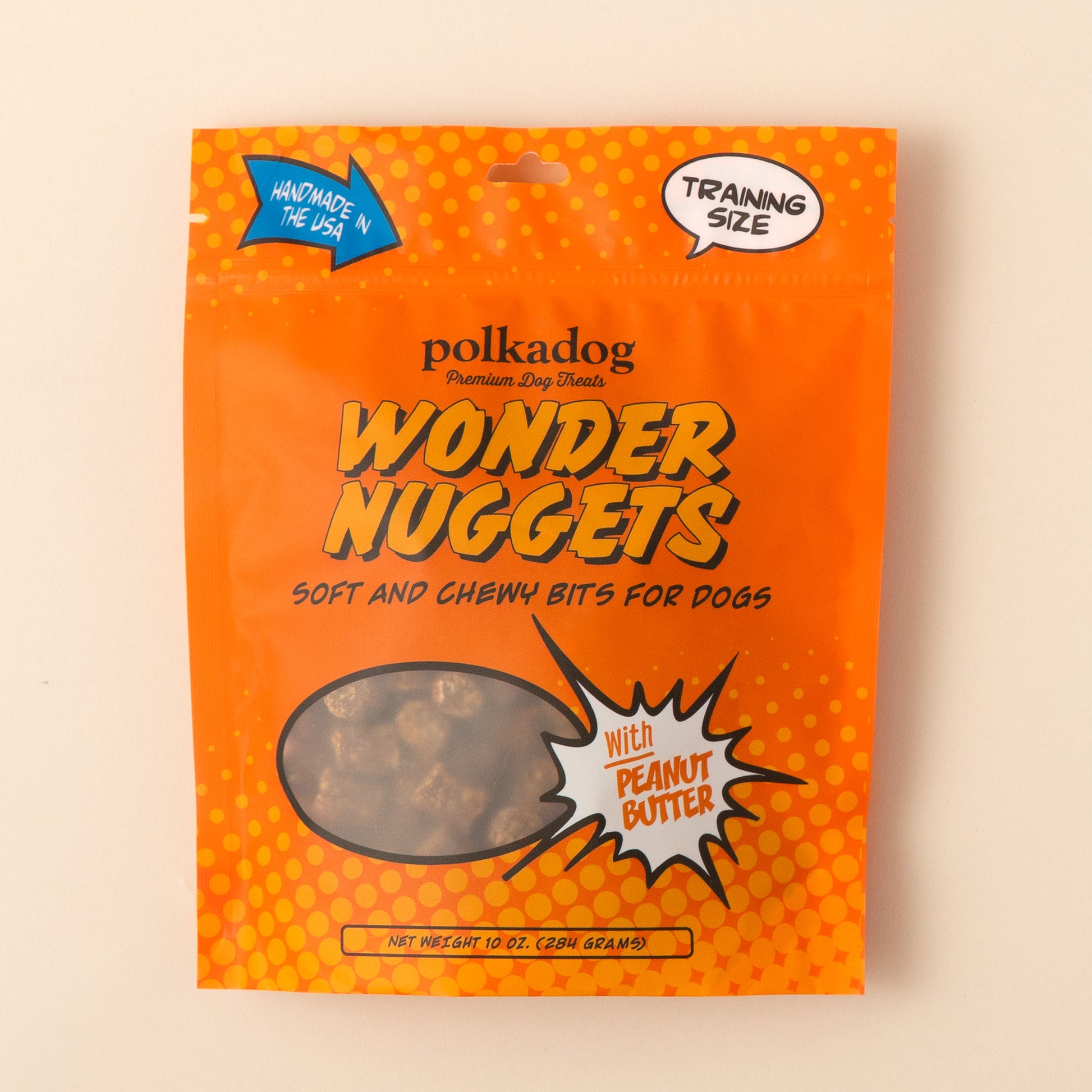
196 foods in the KibbleLab database contain Peanut, including Old Mother Hubbard, Ollie, Open Farm.
Foods with Peanut
Alphabetical by brand. Scores run 0 to 10, higher is better, on published veterinary science.
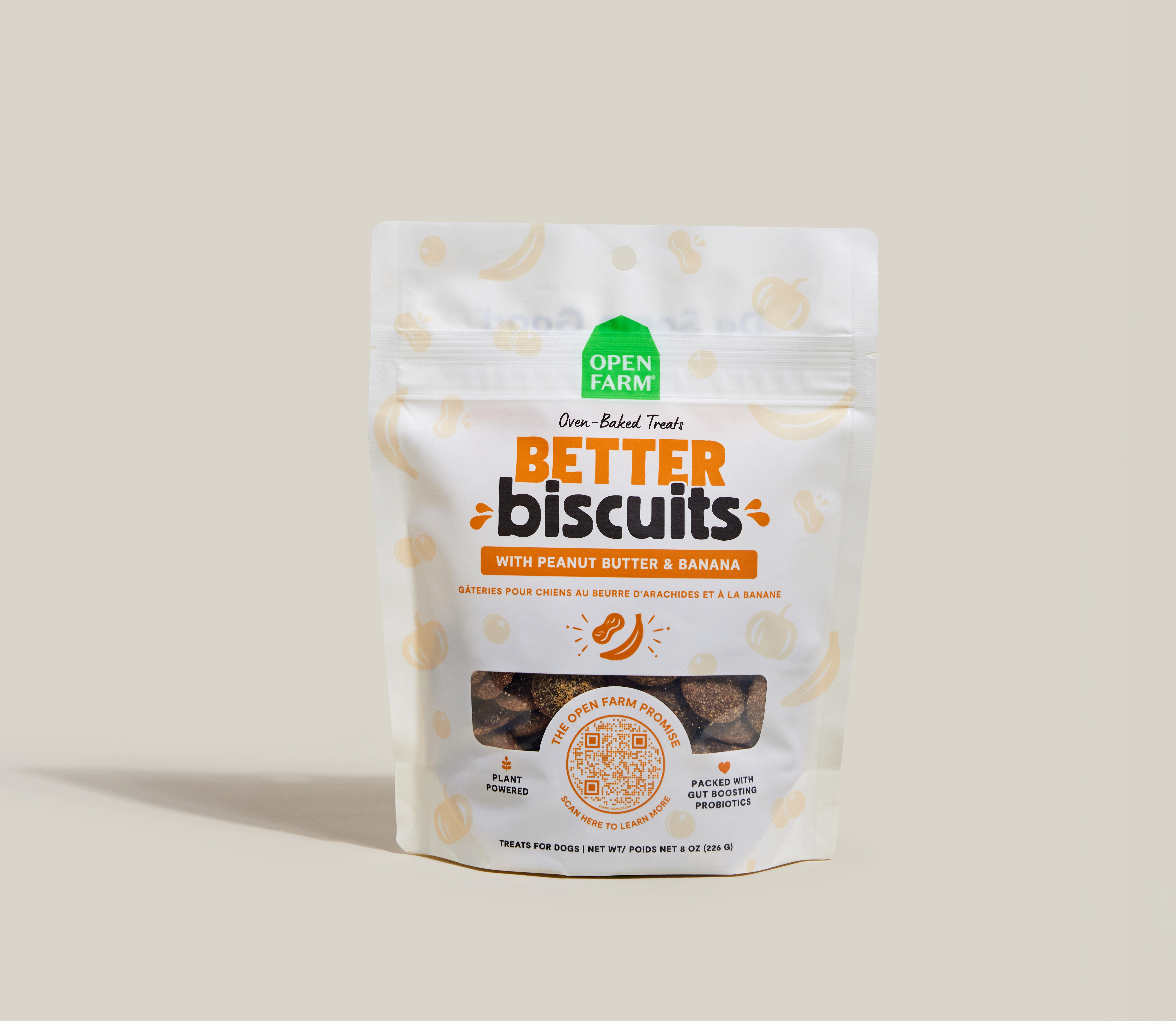


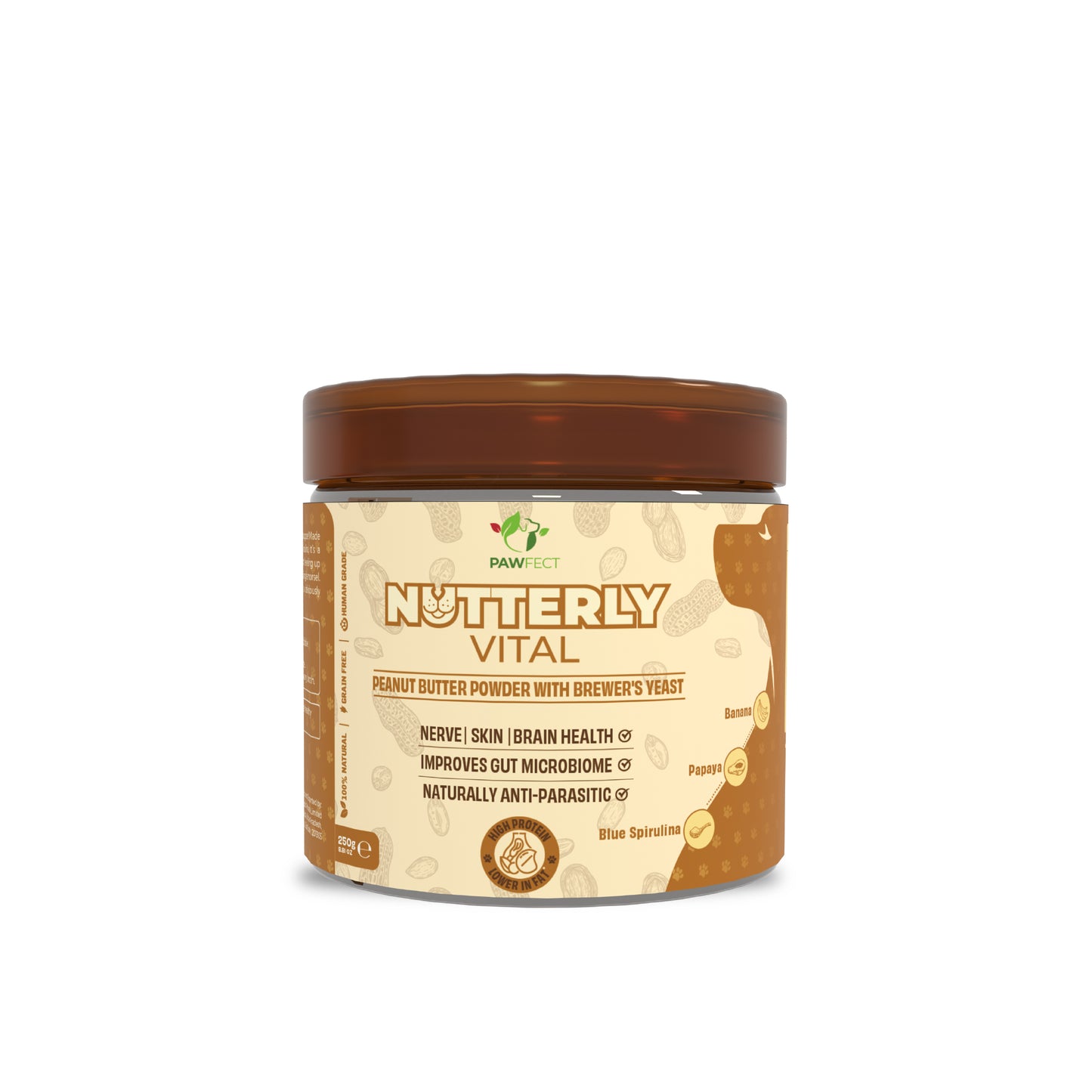
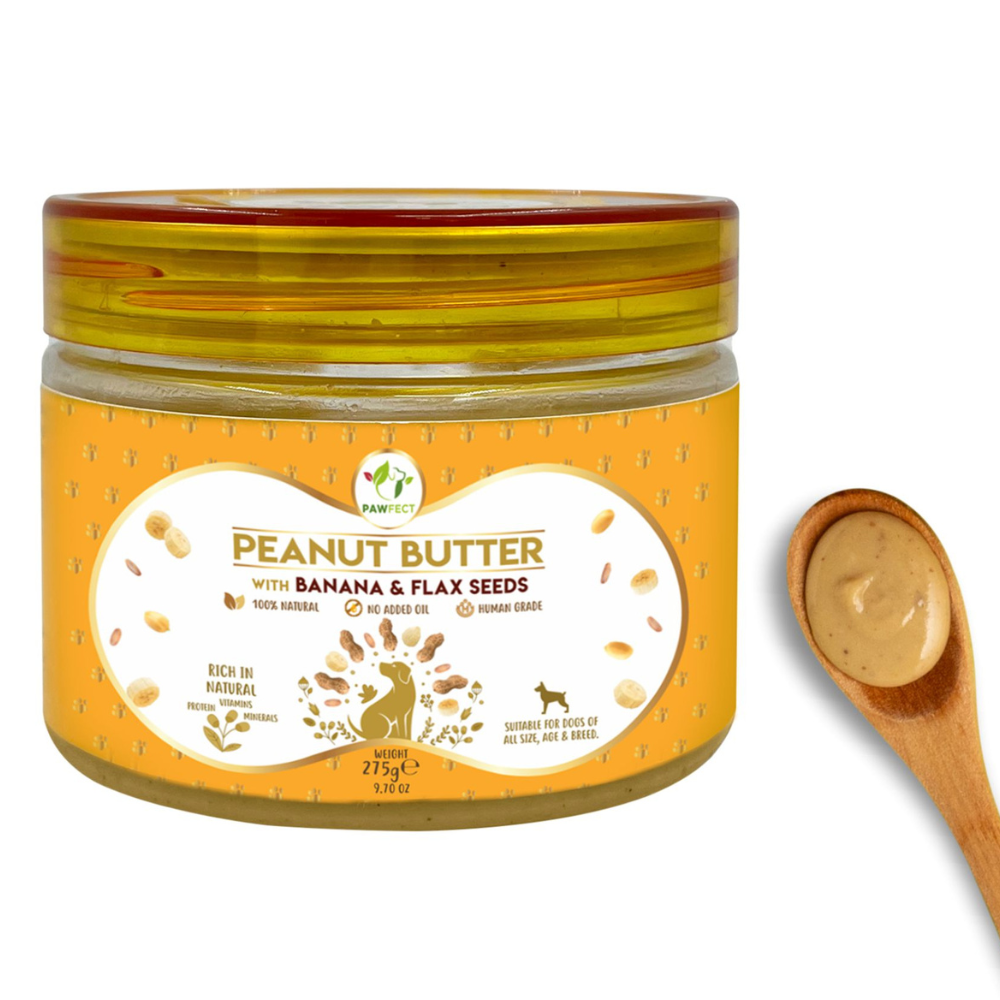




Find the right food for your pet
Sign in free to sort and filter by score, and avoid or require Peanut in the Food Finder. Add KL+ to see these foods ranked for your pet's breed, age, and health focus.

 Continue with Google
 Continue with Facebook