Venison
147 foods contain this ingredient
This is an alphabetical list, not a ranking. Add KL+ to rank foods for your pet in the Food Finder.
About Venison
Venison is deer meat included in dog and cat foods as an alternative animal protein, often chosen when a pet has not previously eaten it.
Venison is used in pet food primarily as a high-quality, novel animal protein source that is lean and rich in essential amino acids, iron and B vitamins, making it suitable for both dogs and cats and commonly included in limited-ingredient or hypoallergenic formulas. It can benefit pets with sensitivities to common proteins like beef or chicken and offer a lower-fat alternative, but owners should note that it may be too lean for growing animals, still can cause allergies in some pets, and raw or poorly sourced venison may carry parasites or contaminants (risks that are minimized in properly processed commercial diets).
Related ingredients
- Derived from
- deer meat
- Primary role
- novel animal protein source
Why it's used
Venison is a protein a pet is less likely to have encountered before, which is the basic premise behind using it in elimination diet trials for dogs with suspected food-related skin or digestive issues. Veterinary dermatology sources describe novel protein diets such as venison and potato or venison and pea formulations being fed for 8 to 12 weeks to see whether signs of an adverse food reaction improve.
Common concerns
- Not permanently novel Once a pet has eaten venison regularly, it is no longer a novel protein for that individual and may lose its usefulness in a future elimination trial.
- Cross-reactivity with other proteins The Merck Veterinary Manual notes that clinicians choosing a novel protein diet should consider possible cross-reactivity between related species when selecting a protein a pet has not previously eaten.
- Sourcing and processing Venison sold commercially is subject to meat inspection, while hunter-harvested venison processed for personal use is generally exempt, and general venison handling guidance from university veterinary sources emphasizes proper field dressing and cooking to reduce pathogen exposure.
Also relevant
Deer can carry chronic wasting disease, a prion disease; the CDC states there is no evidence it naturally infects humans or non-cervid animals, but it recommends not consuming meat from CWD-positive deer.
3 sources cited
- Novel protein diets (including venison) used in elimination trials for suspected food-related dermatitis in dogs, typically fed for at least eight weeks
- Merck Veterinary Manual guidance on novel protein selection and cross-reactivity considerations in cutaneous food allergy diagnosis
- Chronic wasting disease background and no evidence of human/domestic animal infection, but recommendation against eating meat from infected deer
Common Questions
What category is Venison?
Venison is categorized as a protein ingredient in the KibbleLab database.
Is Venison part of an allergen group?
Yes. Venison is grouped under the Red Meat allergen group in the KibbleLab database.
Which foods contain Venison?
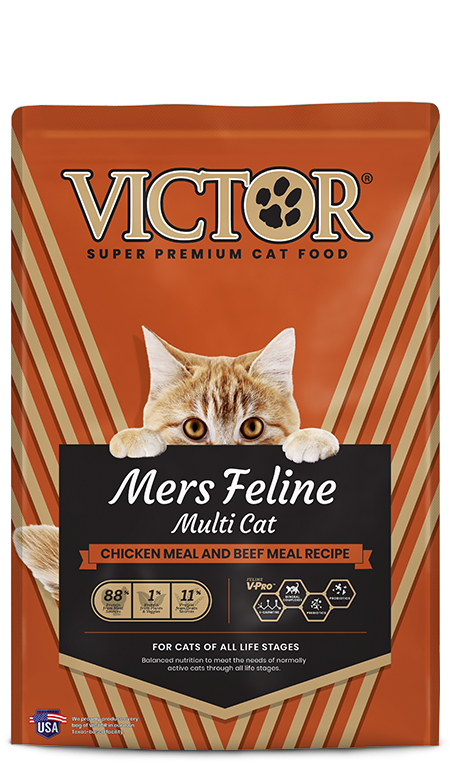
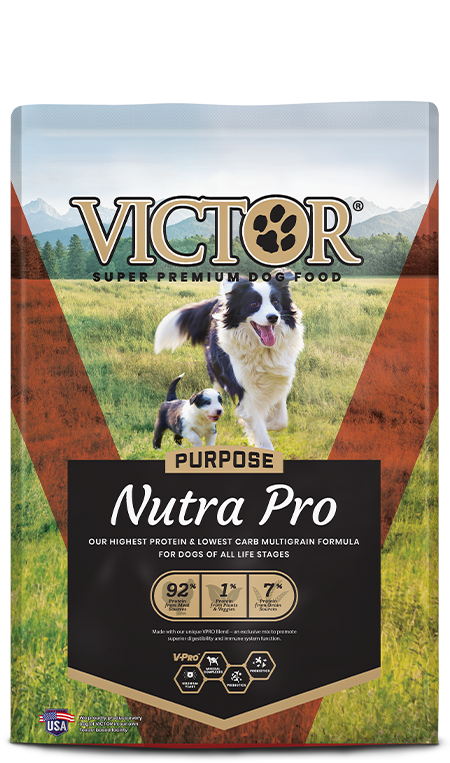
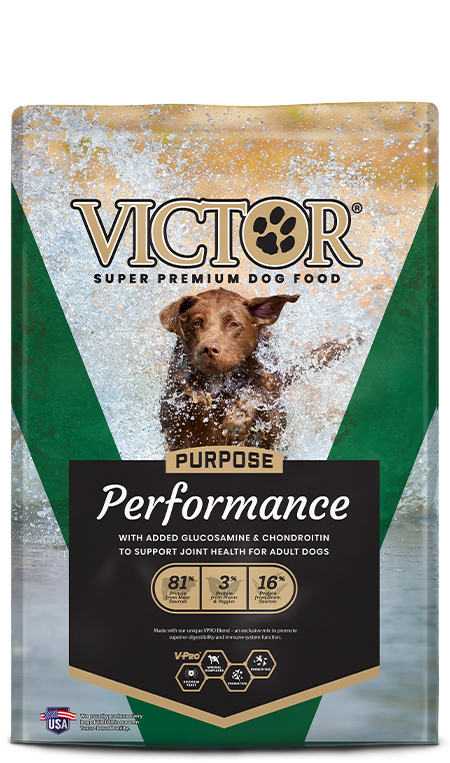
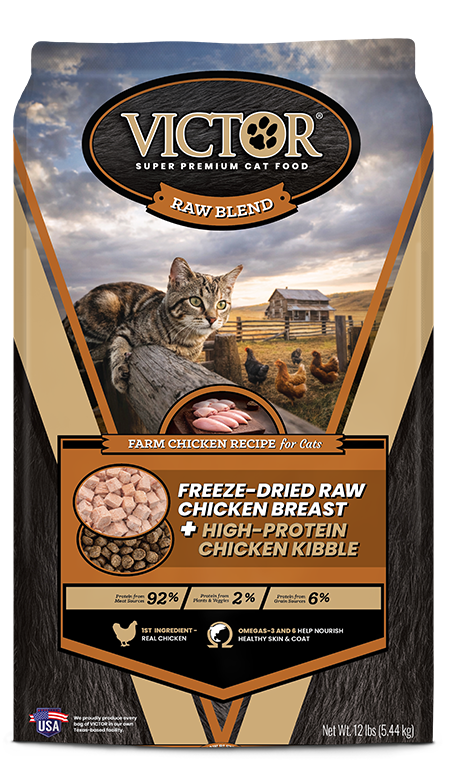
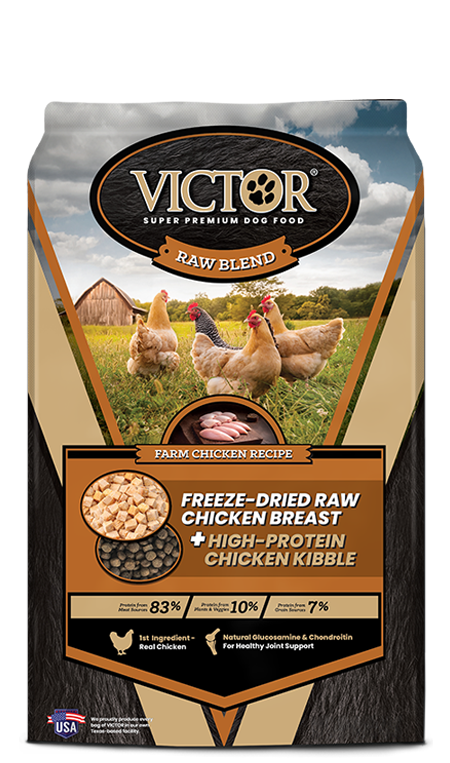
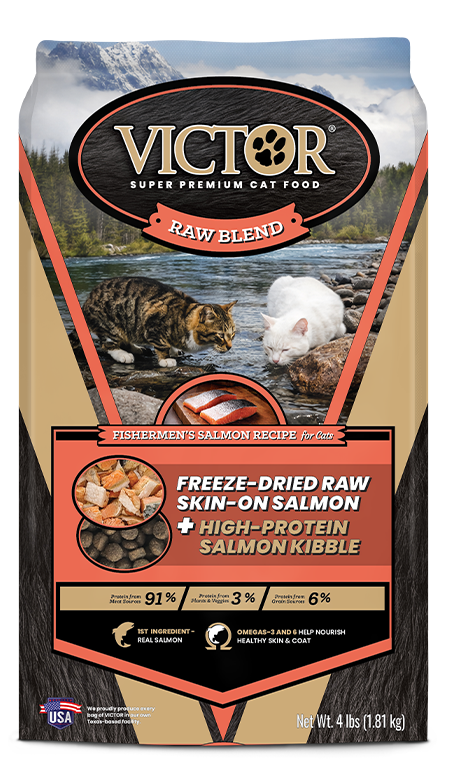
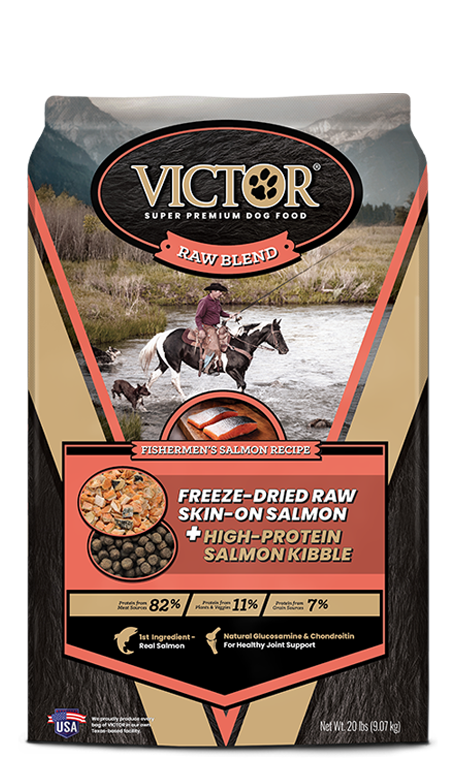
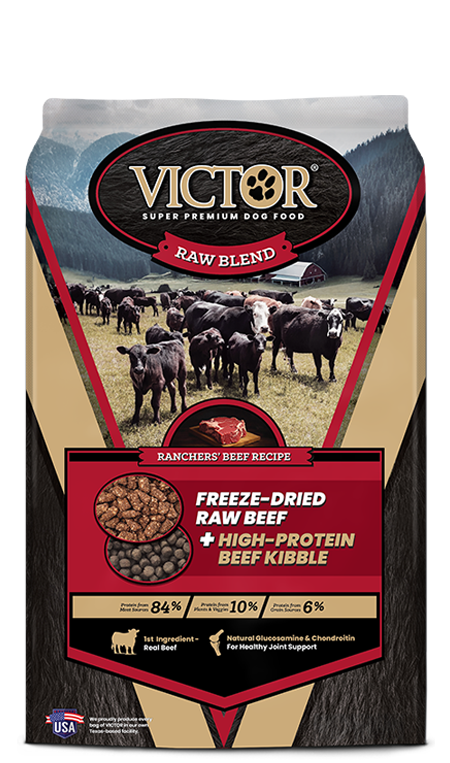
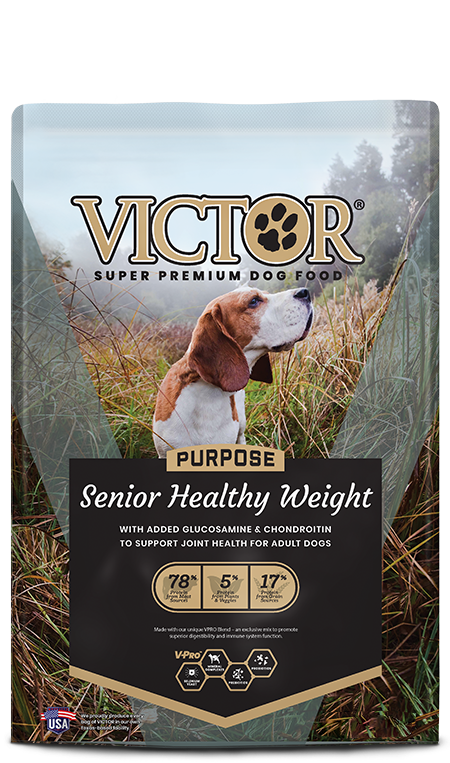
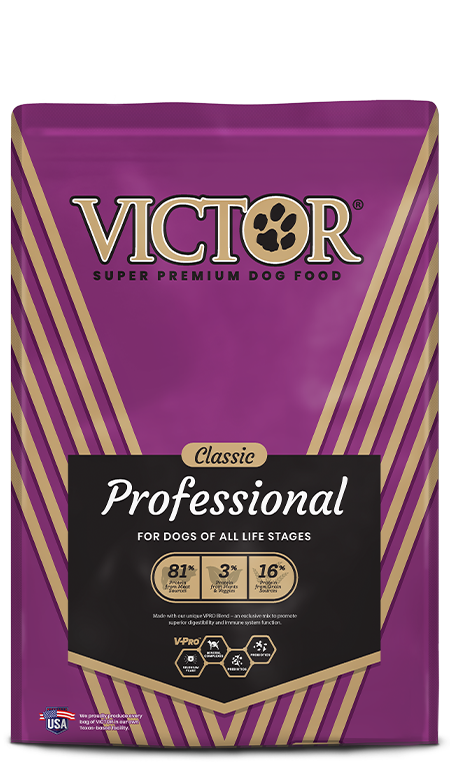
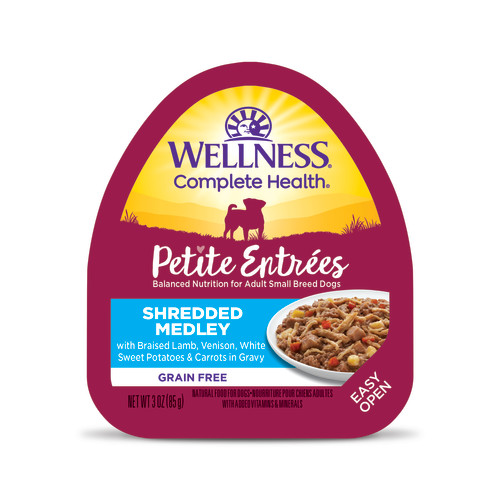
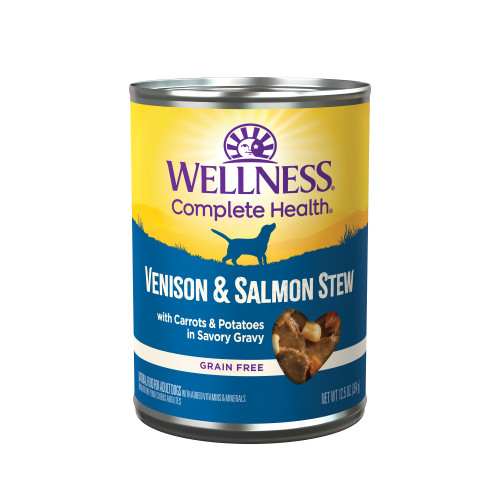
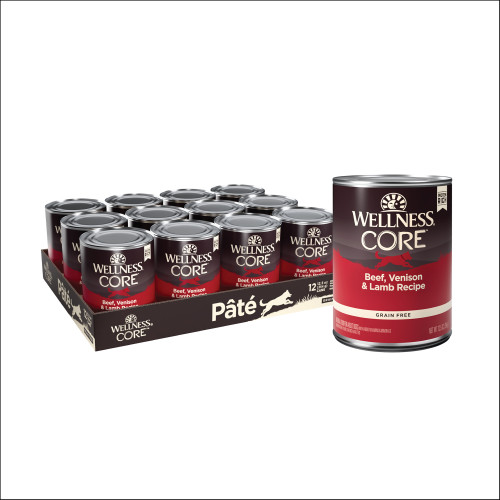
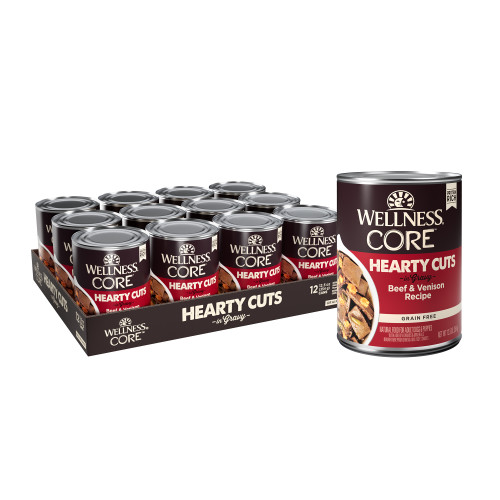
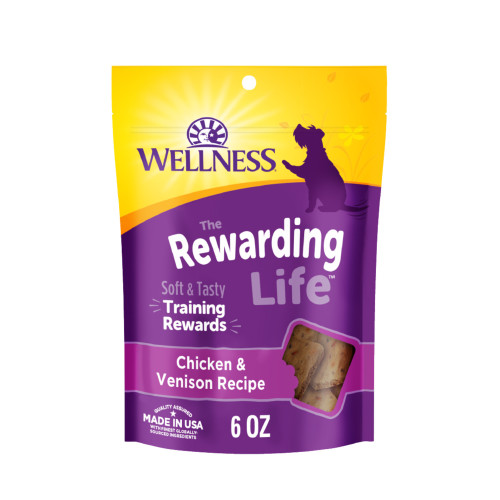
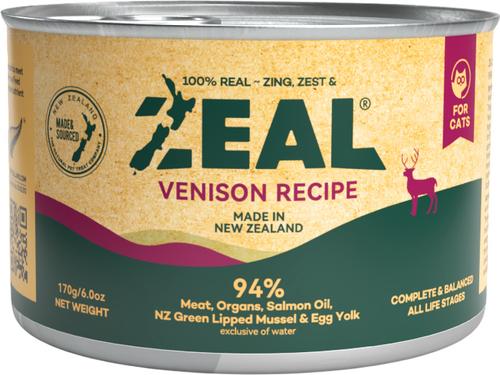
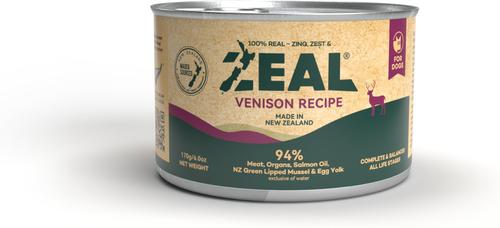
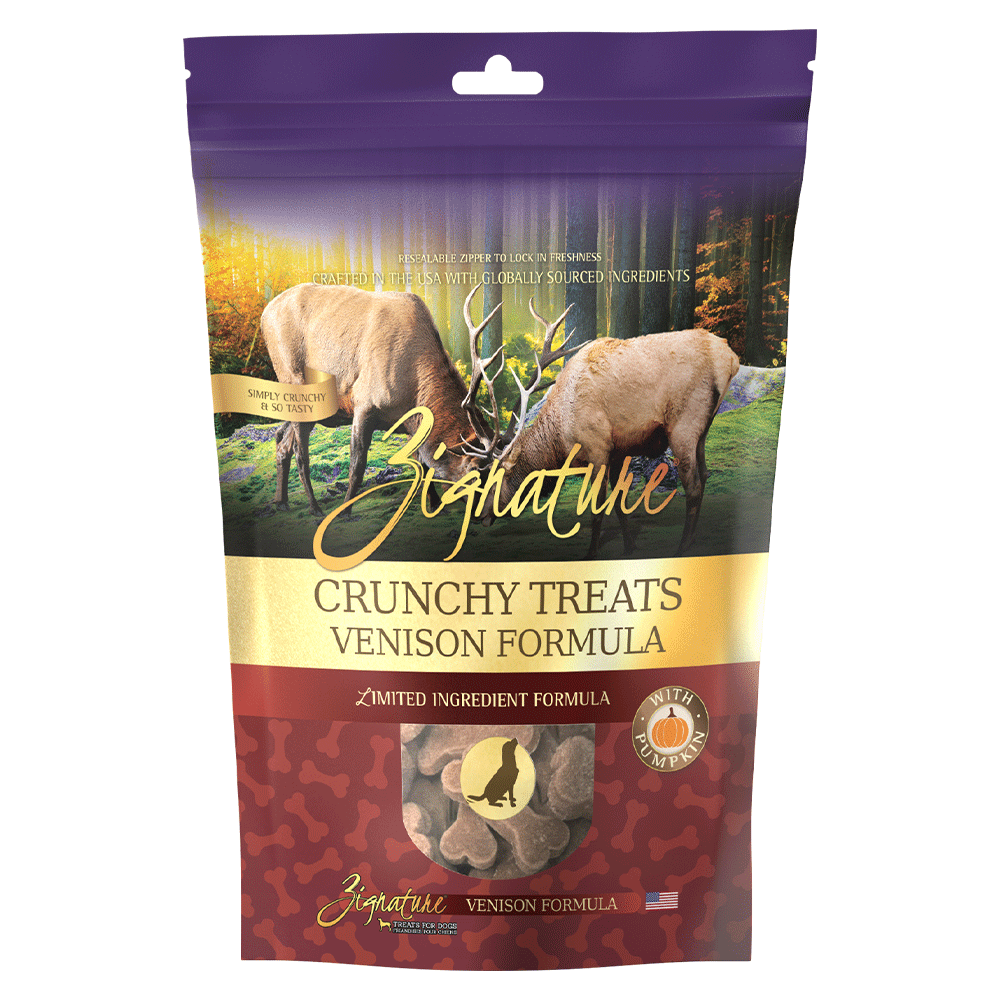
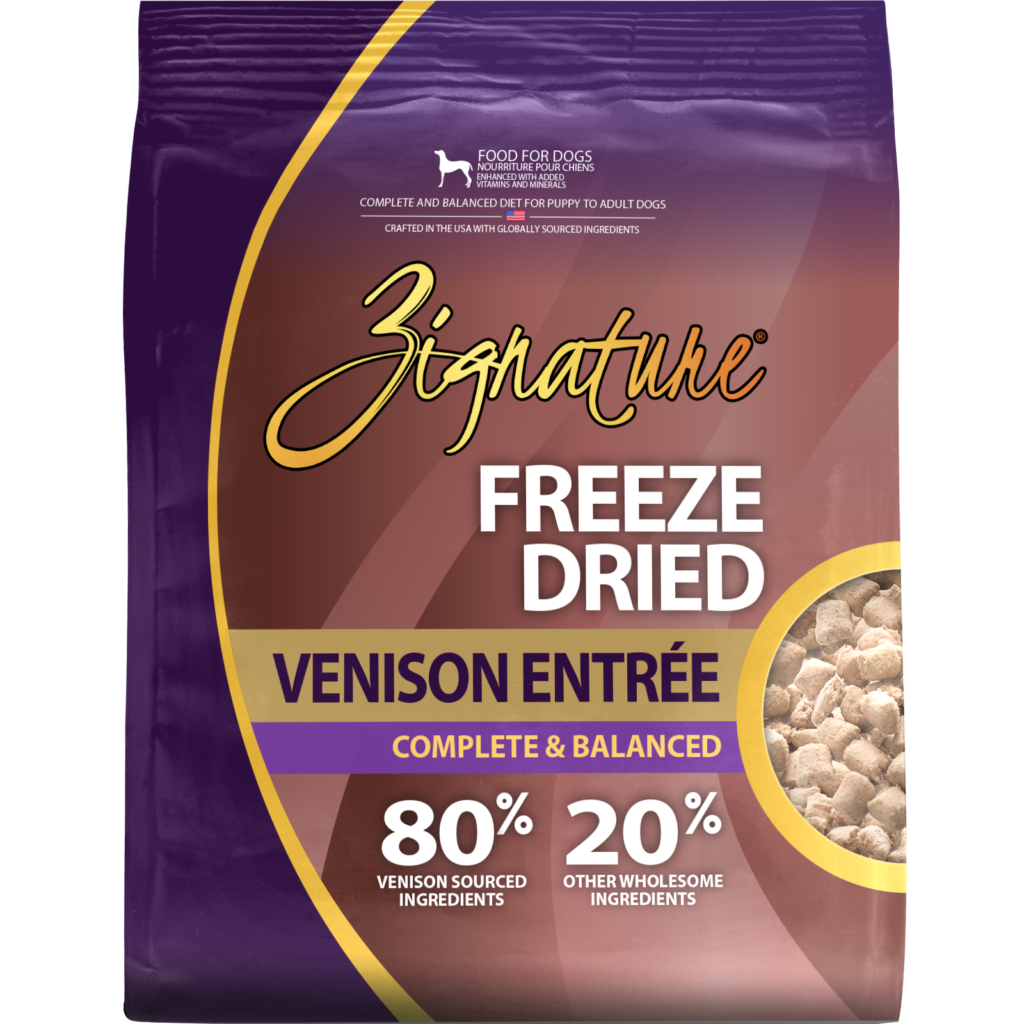
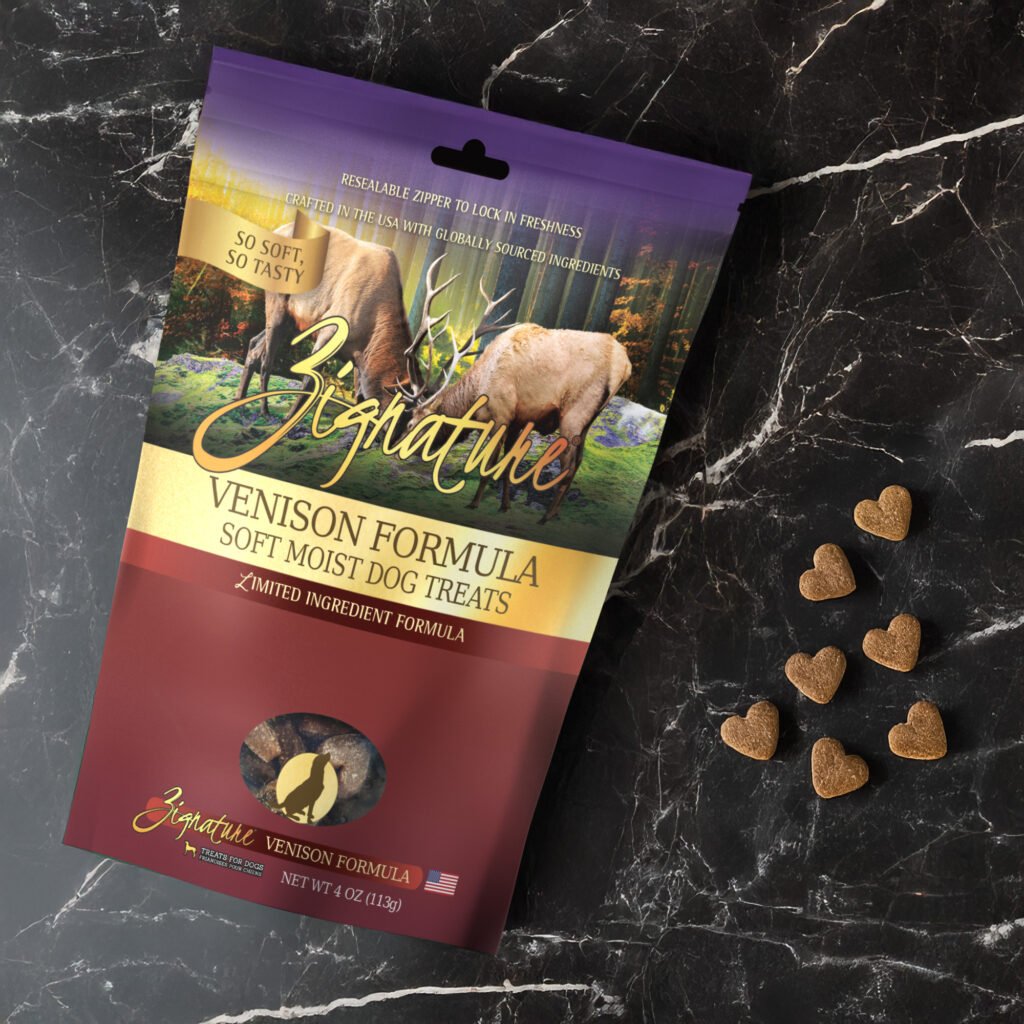
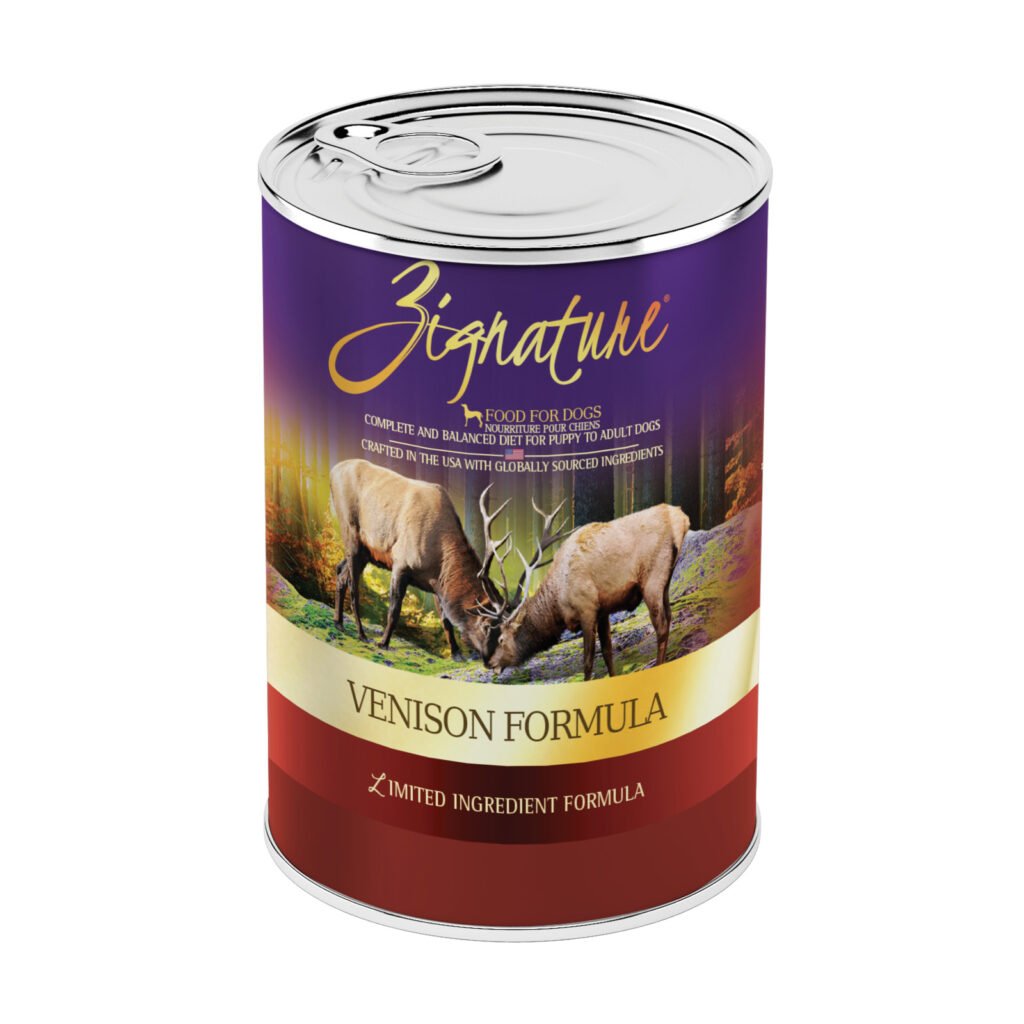
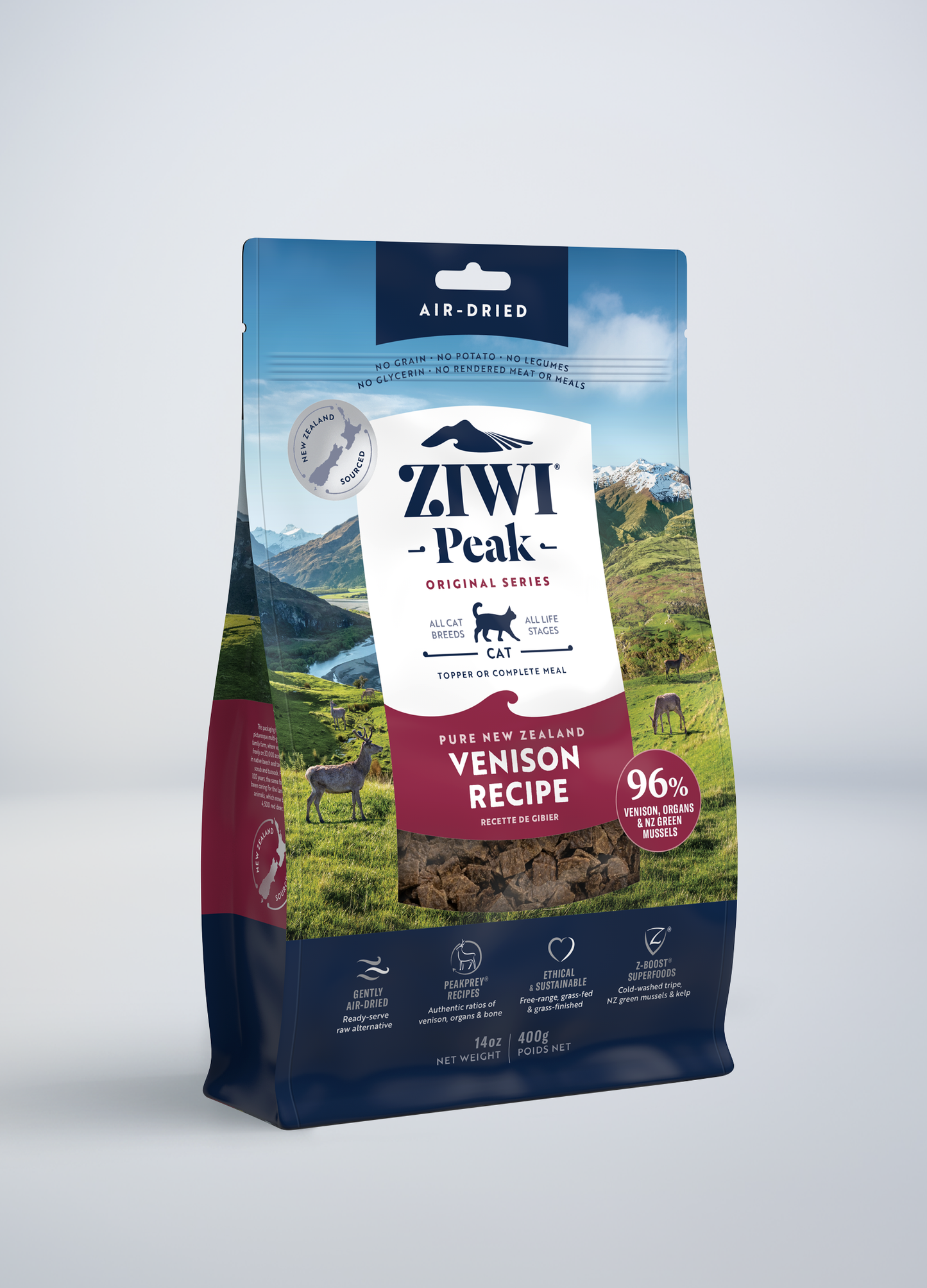
147 foods in the KibbleLab database contain Venison, including Victor, Wellness, Wishbone.
Foods with Venison
Alphabetical by brand. Scores run 0 to 10, higher is better, on published veterinary science.


Find the right food for your pet
Sign in free to sort and filter by score, and avoid or require Venison in the Food Finder. Add KL+ to see these foods ranked for your pet's breed, age, and health focus.

 Continue with Google
 Continue with Facebook