Egg
1,717 foods contain this ingredient
This is an alphabetical list, not a ranking. Add KL+ to rank foods for your pet in the Food Finder.
About Egg
Egg is a whole animal-protein ingredient in pet food valued for its amino acid profile, vitamins, and cooking versatility.
Eggs are used in pet foods as a highly digestible, complete animal protein and nutrient source—providing essential amino acids, bioavailable vitamins (A, D, E, B-complex including B12), minerals like selenium and iron, choline and healthy fats—while also improving palatability and texture. They support muscle maintenance, skin/coat and cognitive health in dogs and cats, but raw eggs can carry bacterial risk and contain avidin in whites that may reduce biotin with long-term feeding; some pets may also have egg allergies or require portion control for calorie management.
Related ingredients
- Derived from
- chicken egg, whole, dried, or powdered
- Primary role
- high-quality protein and micronutrient source
Why it's used
Egg supplies a well-rounded amino acid profile along with bioavailable vitamins and minerals, and it is often included to boost protein quality and improve the texture or palatability of a finished food. Its versatility across wet, dry, and treat formats makes it a common addition beyond just its nutrient contribution.
Common concerns
- Recognized food allergen A peer-reviewed review of cutaneous adverse food reactions in companion animals lists egg among the reported allergen sources in dogs, identified in roughly 4 percent of the food-allergic dogs surveyed, and clinicians typically confirm a suspected egg allergy through an elimination diet trial.
- Avidin and biotin in raw egg white Raw egg white contains avidin, which binds biotin and can interfere with its absorption; cooking denatures avidin, and sources describe an actual deficiency as unlikely unless large amounts of raw egg white are fed consistently over an extended period.
- Bacterial contamination in raw eggs Raw or undercooked eggs can carry Salmonella or E. coli, which is why cooking is commonly recommended as a way to reduce that risk.
Also relevant
Egg is one of several less common allergen sources reported in dogs, behind beef, dairy, chicken, and wheat, according to the same veterinary literature review.
3 sources cited
- Egg as a reported food allergen source in dogs, with approximate proportion among food-allergic dogs, relative to beef/dairy/chicken/wheat
- Elimination diet trials as the diagnostic standard for confirming cutaneous food allergy
- Avidin in raw egg white binds biotin, cooking denatures avidin, deficiency requires sustained large raw egg white intake
Common Questions
What category is Egg?
Egg is categorized as a allergen group ingredient in the KibbleLab database.
Is Egg itself an allergen group?
Yes. Egg is itself an allergen group in the KibbleLab database, not just a member of one.
Is Egg part of an allergen group?
No allergen group is linked to Egg in the KibbleLab database.
Which foods contain Egg?
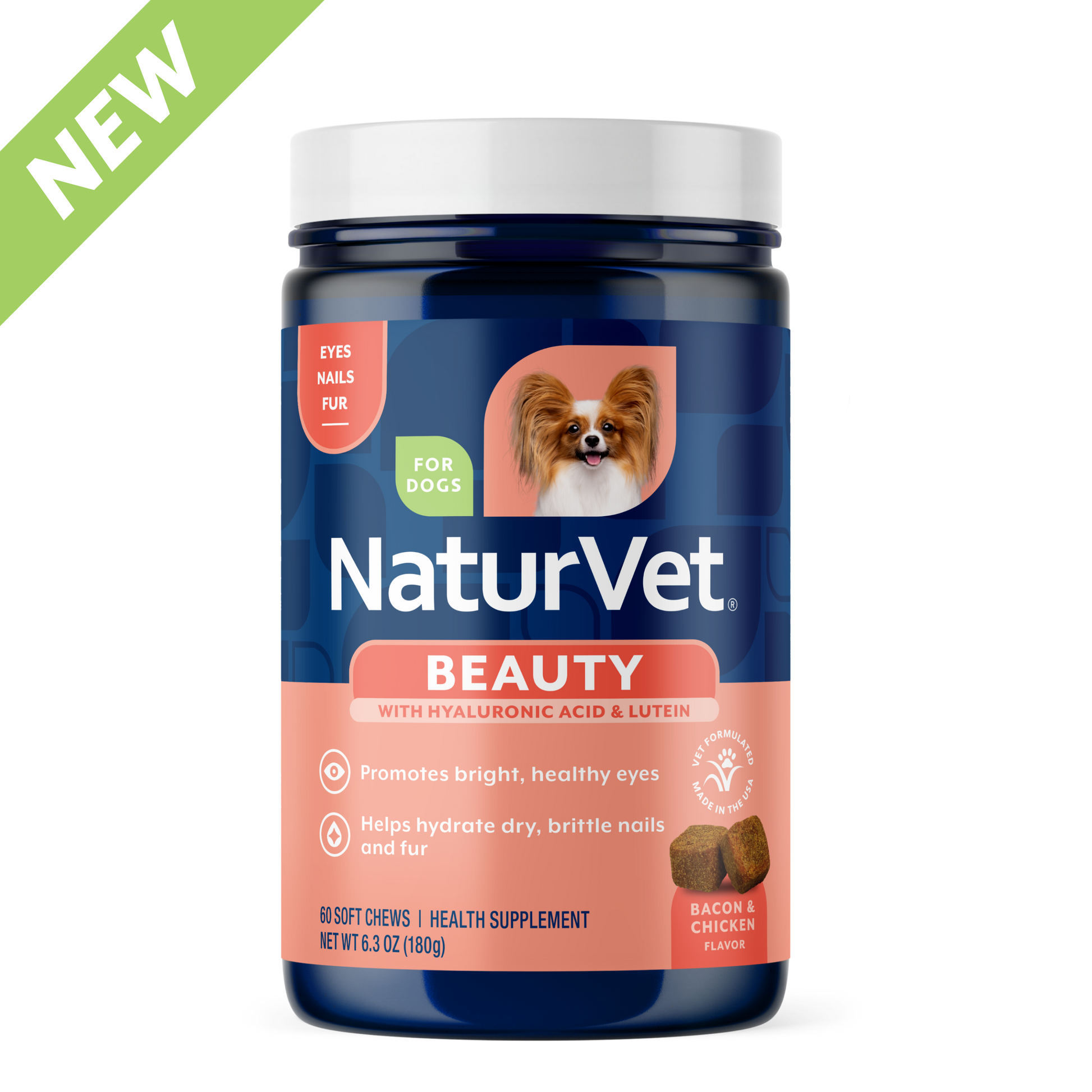
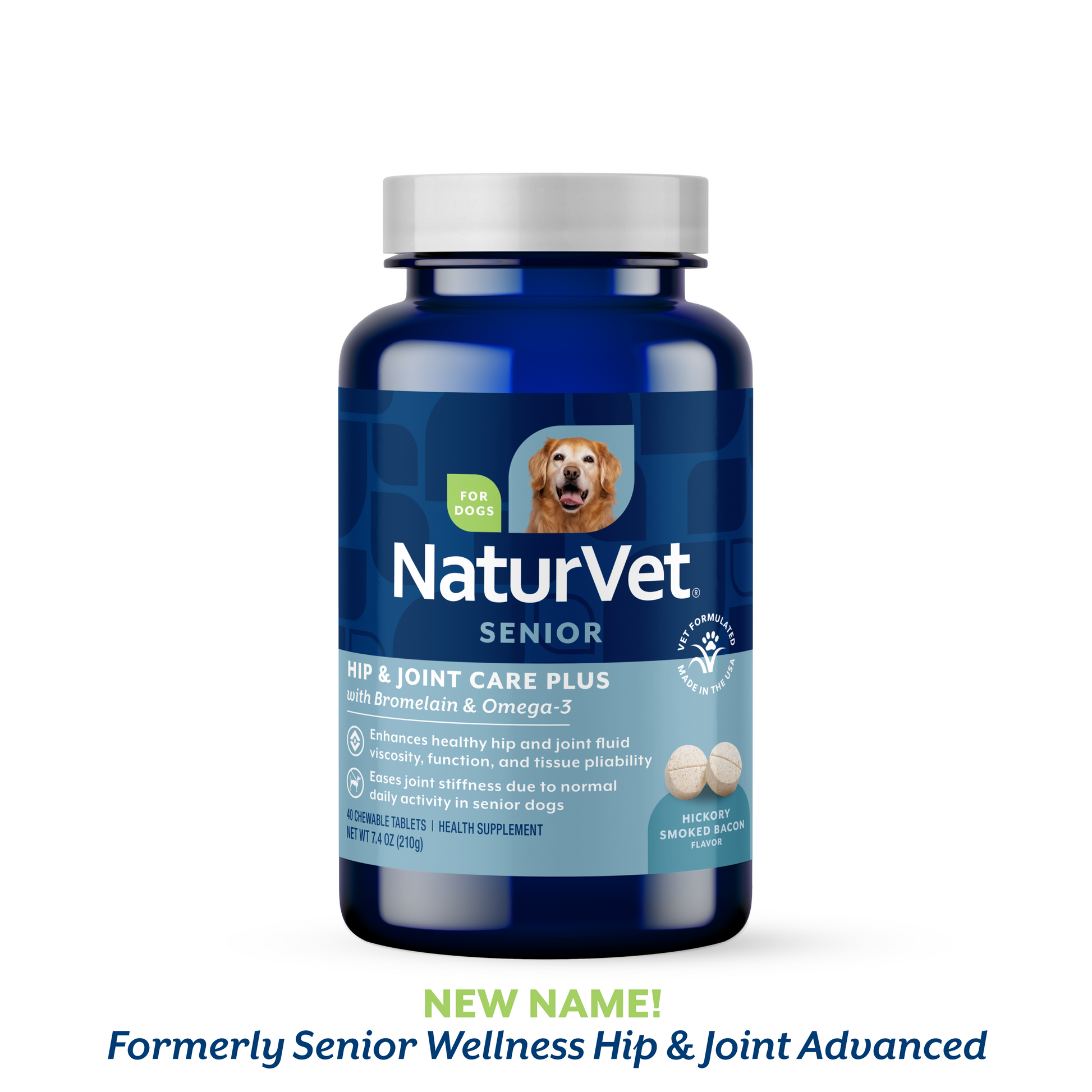
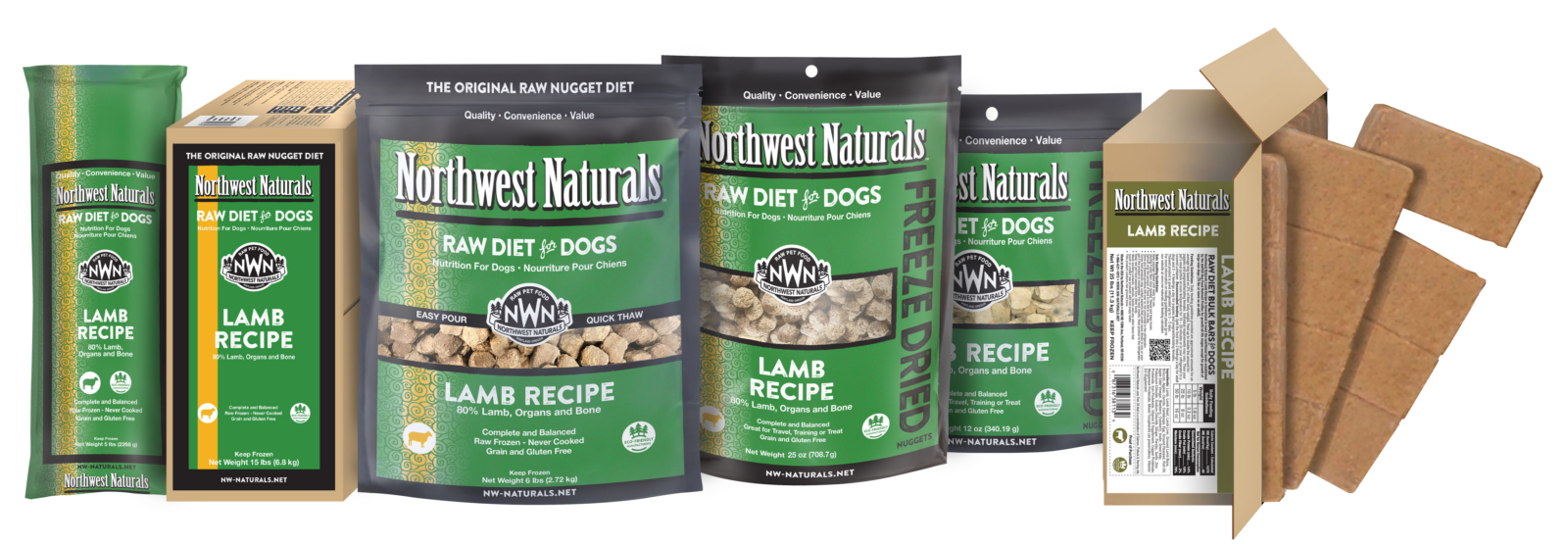
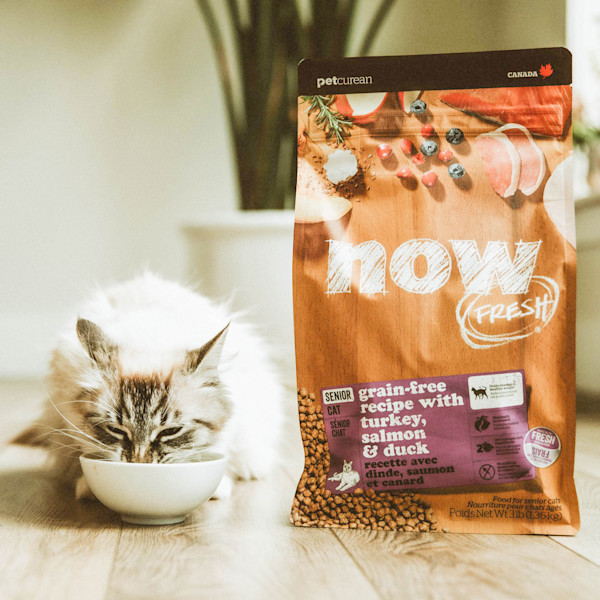
1,717 foods in the KibbleLab database contain Egg, including Nature's Logic, NaturVet, Nextrition.
Foods with Egg
Alphabetical by brand. Scores run 0 to 10, higher is better, on published veterinary science.





















Find the right food for your pet
Sign in free to sort and filter by score, and avoid or require Egg in the Food Finder. Add KL+ to see these foods ranked for your pet's breed, age, and health focus.

 Continue with Google
 Continue with Facebook